
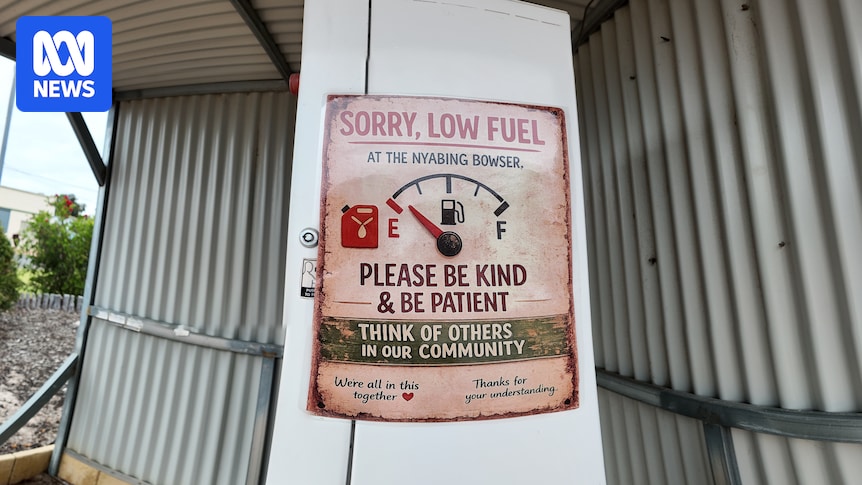
Farmers are warning delays to seeding caused by fuel shortages could have a significant impact on Australia’s economy, and say Perth motorists are getting prioritised for scarce fuel supplies.
The Iran war has stopped oil tankers travelling through the critically important Strait of Hormuz, putting at risk global oil supplies.
It has prompted the Western Australia government to allow road trains to carry more petrol, diesel and fertiliser to “priority” regional areas, but while farmers have welcomed the move, they say supply remains a problem.
Timing critical
Agronomist Michael Lamond said the value of the national grain crop was more than $20 billion last year, and the next few months were critical for grain growers.
“The timing of seeding operations is absolutely critical in obtaining good yields,” he said.
“A difference of a few days, or even a week, can have a big difference on a good outcome.
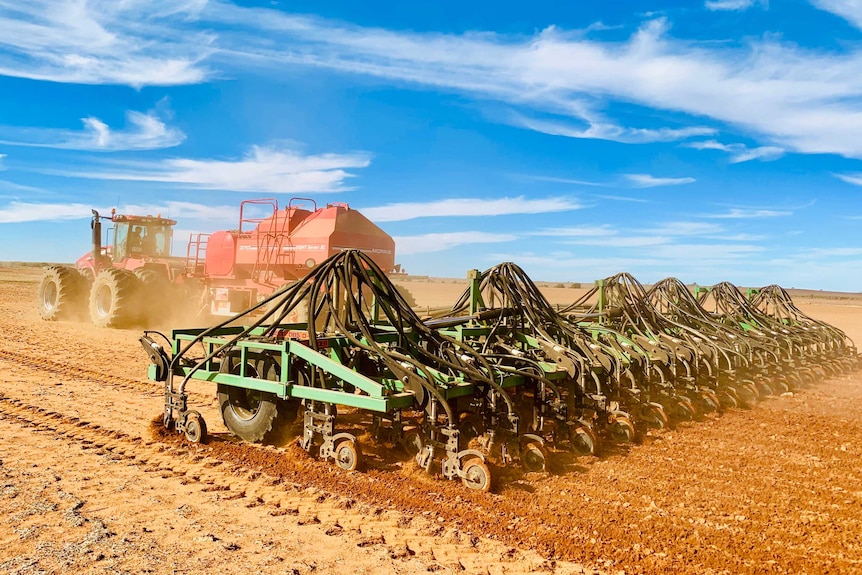
WA farmers are anxious about ongoing fuel supplies as they prepare for seeding. (ABC Rural: Jo Prendergast)
“The problem at the moment is the wholesalers not getting the [diesel] supply they need.”
He said while growers would likely receive more fuel in coming weeks, uncertainty in the medium term was worrying.
“If you have to stop because you can’t get supply, it could have a huge impact on your business,” Mr Lamond said.
“Where the anxiety is, it’s not really knowing what that supply-demand equation is likely to be.”
‘Scary’ for farmers
It was a concern Newdegate grain grower Davina Hams took directly to Premier Roger Cook last week.
“We need you to know, we need the fuel for the seeding period, but it doesn’t stop there,” Ms Hams said.
“It’s very scary for us at the moment; even if we get our seeding done, if we don’t get fuel post-seeding, we can’t look after the crops.”
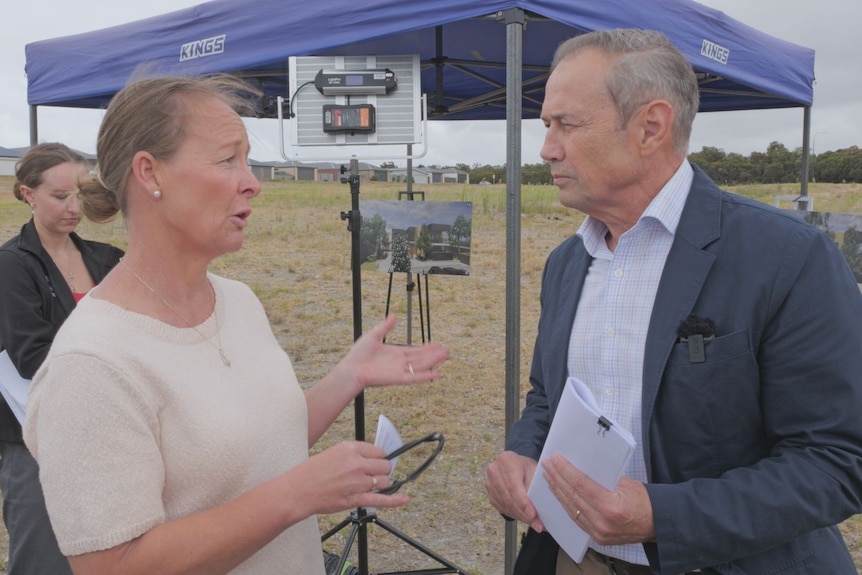
Davina Hams speaks with Roger Cook about her fuel supply issues. (ABC Great Southern: Mark Bennett)
She said her fuel supplier had repeatedly struggled to access fresh shipments.
Mr Cook said the resolution of the Middle East conflict was beyond the government’s control, but pledged continued action on the local supply chain.
“All our refineries in South-East Asia have got full tanks, and they’re sending it to us,” he said.
“The problem was the spike in demand. But we just need to get your tanks refuelled.”
Roadhouse rationing
At Ongerup roadhouse, 400 kilometres south-east of Perth in the Great Southern, fuel has been rationed for more than a week.
Manager Jodie Slater said it was a necessary measure after panic buying left stocks low.
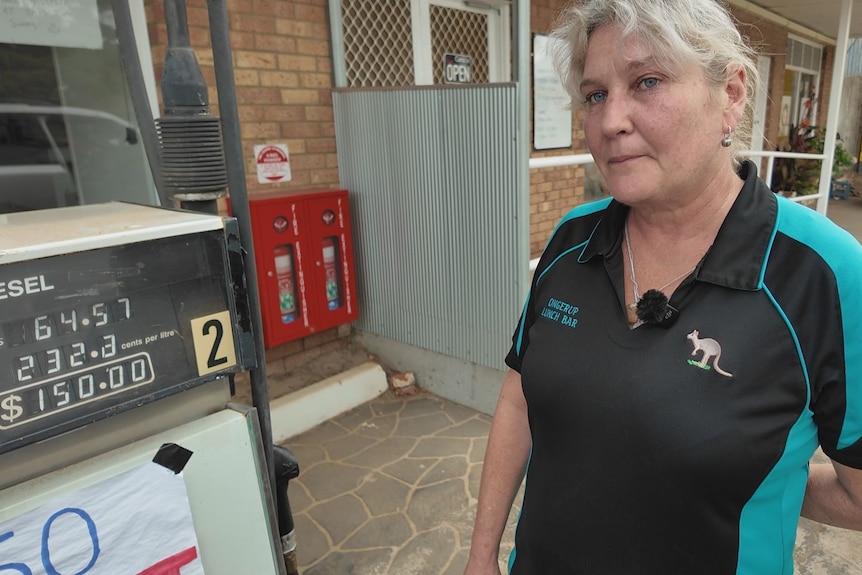
Jodie Slater says most customers have been considerate about fuel rationing. (ABC Great Southern: Mark Bennett)
Gnowangerup Fuels, which supplies businesses and regional petrol stations, including Ongerup, said it had been unable to get deliveries for a week.
Spokesperson Ron Beck said the company usually delivered 180,000 litres a day.
He said Gnowangerup Fuels was allocated fuel from larger companies, which ordered it from Singapore a month in advance.
“All that allocation went in the first nine days of March,” he said.
Mr Beck said his company was getting very little information about when supplies would be replenished, which was causing “a lot of anguish” in regional areas.
New road train rules
Last week, the state government announced the formation of a Fuel Industry Operations Group to address issues of fuel security, which devised the plan to allow road trains to carry extra fuel.
The new rule comes into effect today, and applies to road trains travelling to the Goldfields, the South West, Great Southern and the Wheatbelt.
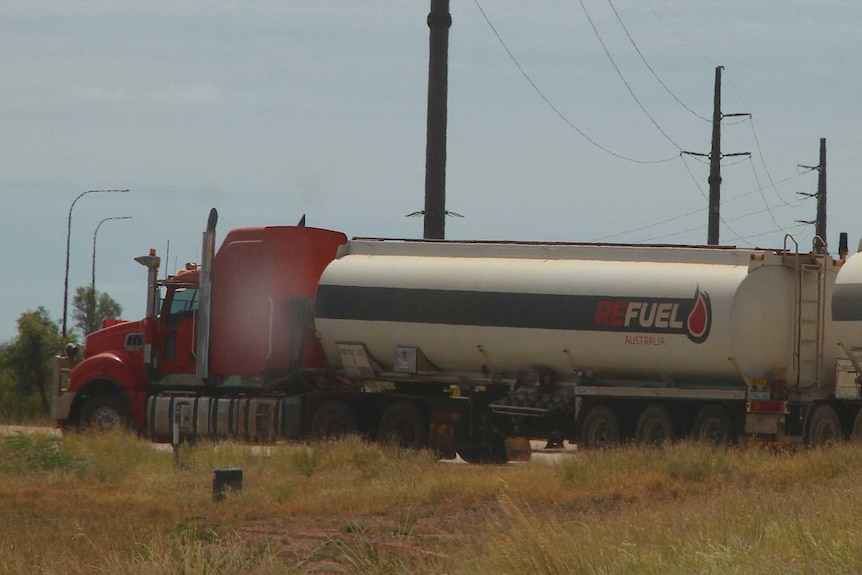
Road trains carrying fuel will be able to carry extra to priority areas after the WA government relaxed the rules. (ABC Pilbara: Susan Standen)
WA Farmers Federation president Steve McGuire welcomed the government’s decision but said supply remained the crucial problem for regional areas.
He said the state’s biggest fuel suppliers had contracts with city petrol stations, “and they get priority” over independent contractors supplying regional areas.
“It’s pretty concerning that we never had a fuel shortage; we just had a perception of one, but we still had a big problem,” he said.
“The flaw of the system is that the city gets priority for fuel, but the country needs it the most.”