
Gaming giant MSI has warned that the price of laptops, desktops and graphics cards may rise by as much as 30% amid an ongoing global memory shortage.
The Taiwanese hardware manufacturer told investors it plans to increase prices across its gaming lineup by 15% to 30%, citing sharply rising costs for DRAM memory and persistent supply constraints.
MSI General Manager Huang Jinqing said the company is facing mounting pressure from component shortages, which are also expected to affect the broader PC market.
According to MSI, global PC shipments could fall by 10% to 20% in 2026 if supply issues continue.
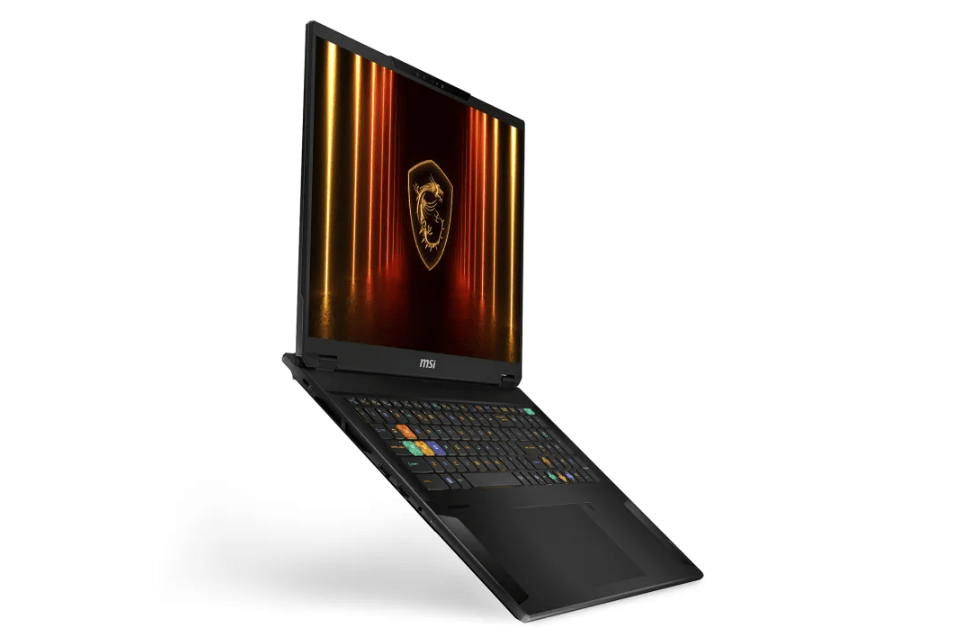
A key challenge is the escalating price of DRAM modules, a critical component used in laptops, graphics cards and gaming desktops. Reports suggest MSI currently holds only one to two months of secure memory inventory, creating uncertainty around production planning.
Adding to the pressure, major DRAM suppliers including Samsung and SK Hynix are reportedly reluctant to commit to long-term supply agreements, making it difficult for manufacturers to stabilise component costs.
The price increases are expected to affect a wide range of products, including gaming laptops, pre-built gaming desktops and handheld gaming devices – categories that rely heavily on memory availability.
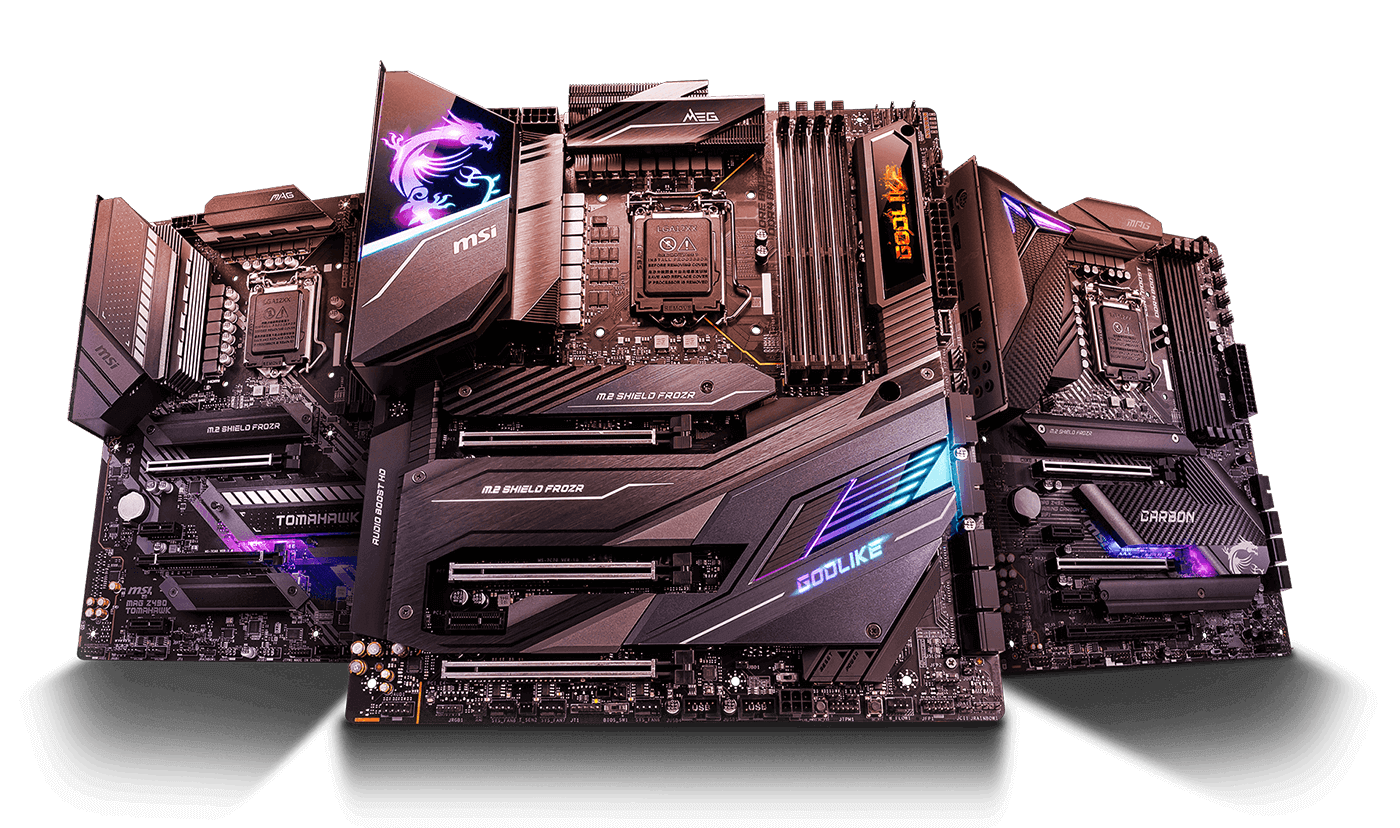
For gamers already dealing with high GPU prices and limited stock in recent years, the move could make upgrading even more expensive. Some Nvidia GPU models may also become harder to find if supply constraints worsen.
In response to the shifting market, MSI says it will prioritise higher-end, premium products, where higher price points are easier to justify. Lower-margin hardware may receive less focus as the company adjusts its strategy.
MSI is also expanding its AI server business, aiming to capitalise on strong global demand for data-centre infrastructure. The company hopes growth in AI hardware will help offset volatility in the consumer PC market.
But if component shortages persist through 2026, analysts warn gamers could see noticeably higher prices across much of the PC hardware market.