
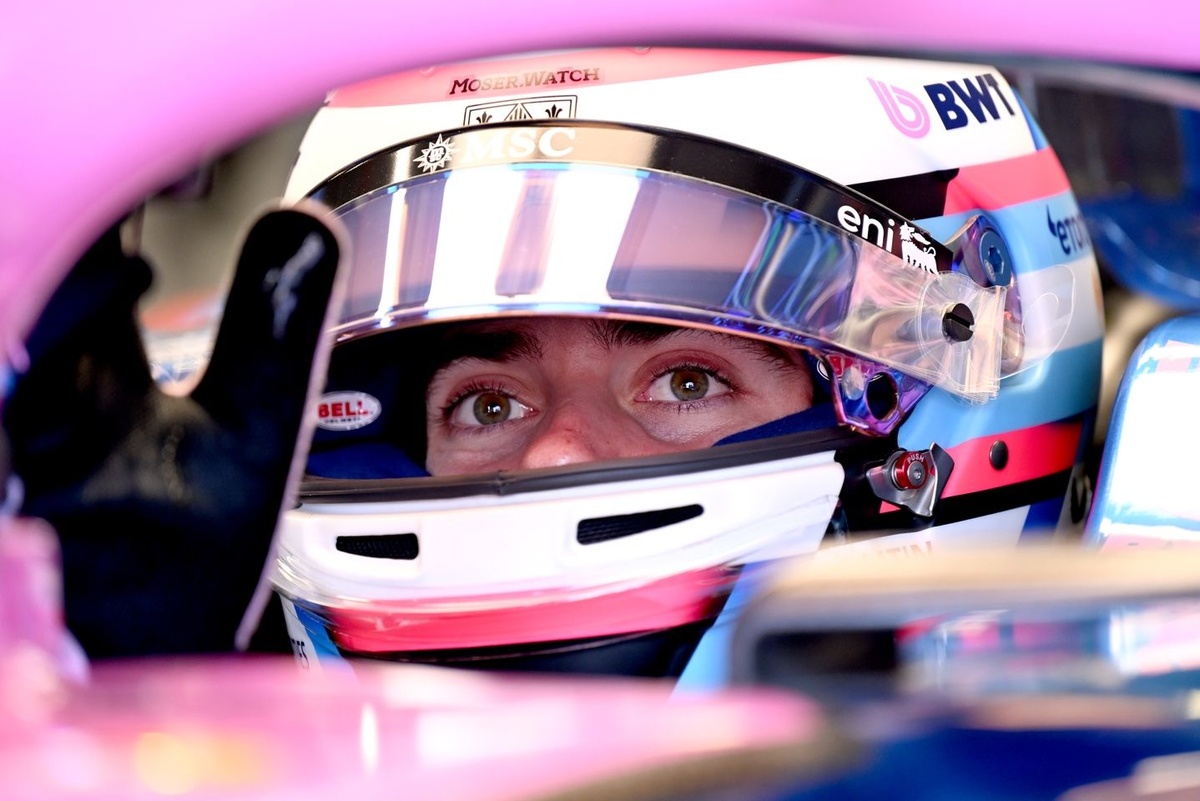
Finishing 10th in Shanghai was hardly a just reward for Franco Colapinto. You don’t always get what you deserve in Formula 1, of course, but the single point was barely a crumb of comfort for the Argentine – even if it was desperately needed, and one that ended a 24-race scoreless streak.
Colapinto has been down on his luck for the past year or so. Sure, many opine that you make your own luck, but even his elevation into Alpine’s race set-up has been a double-edged sword; while it’s better to be with an F1 drive than without, having to flail around the back with an under-developed car across 2025 with no testing very much stripped the shine away from Colapinto’s debut races with Williams at the back end of 2024. It feels a while ago that the Buenos Aires native rocked up in F1 at the expense of Logan Sargeant, finished eighth in his second grand prix, and outqualified Alex Albon in the process.
Since moving to Alpine, initially as a reserve before executive director Flavio Briatore decided he didn’t really fancy Jack Doohan, Colapinto’s presence at the team has sometimes been maligned. Early crashes, particularly his qualifying shunt at Imola last year, caused him to drive within himself. While there were moments where he outqualified team-mate Pierre Gasly, ending the year 5-13 behind the experienced Frenchman on qualifying head-to-heads, points seldom looked within Colapinto’s reach.
Yet, Alpine kept the faith. Less charitably, you might suggest that much of this was commercially influenced given the glut of interest from Latin American brands. The truth is, Colapinto has pace; he wouldn’t be in F1 if he didn’t. The jury is out on just how much, and if he can reach the level of Gasly and his ilk – but Shanghai presented the clearest demonstration of that underlying pace since his arrival at Alpine.
Having spent time in the heady heights of second, succeeded by a strong defensive drive on old tyres, Colapinto’s race was derailed for two reasons largely out of his control. That he emerged in second was a function of the lap 10 safety car, called out for Lance Stroll’s stranded Aston Martin as it was enfeebled by yet another battery issue, and that the top six all came in to pit during that period. Colapinto, having started on the hard tyre, could not really do so; switching tyres then would necessitate another stop later on, and the C2 hard was the strongest compound to be on across the course of the Chinese Grand Prix.
There was little that Colapinto could do when faced with the two Ferraris and George Russell, yet showed plenty of gumption in his defence of fifth against the Haas pair, Gasly, and Max Verstappen. In previous years, one might have expected the cars behind to trickle through with DRS and offer Colapinto no chance of a reprisal given his older tyres, but the new regulations do allow a driver to fight back. While Colapinto eventually conceded positions to the cars behind, he refused to make it easy.
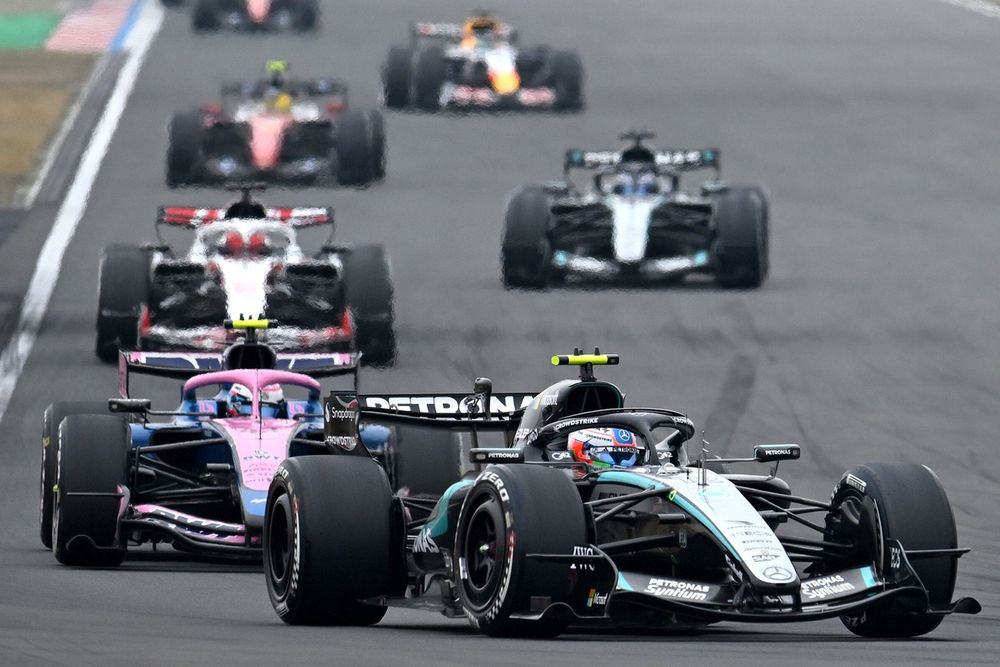
Colapinto briefly sat in second during the Chinese Grand Prix – but his strategy soon came to bite him
Photo by: Sam Bagnall / Sutton Images via Getty Images
Yet, he was always going to be hamstrung by the timing of the safety car. To add salt into the wound, once he had come in to pit at the end of lap 32, he immediately found that he’d managed to perform an overcut on Ocon – but this was ultimately to his detriment.
Aiming to take advantage of Colapinto’s cold tyres, Ocon attempted to force a move on the Alpine driver at the Turn 2-3 crossover, but this was hardly the Frenchman’s finest hour; while there was space to the inside, it was always clear that Colapinto was taking the wider entry to cut back inside for the apex. The two collided, spun, and Ocon (to his credit) immediately assumed blame for the clash and the subsequent penalty.
This cost Colapinto over six seconds, plus unwanted scuffs in his brand new medium tyres. This delayed his pursuit of Sainz; given the two were split by less than a second at the end, this cost him ninth at the very least. At most, considering the cumulative nature of the strategy and the clash, it probably cost him seventh overall.
It wasn’t the timing of the safety car that was the only hair in the soup for Colapinto, but the choice of a full safety car versus the virtual safety car – where he felt that the more liberal use of the effective full-course yellow had set a precedent.
“It’s frustrating because I did a very good race, I did a very good start on the hard tyre, I was in a really good position, first car on the hard tyre and our strategy went long and then yeah, I don’t know. In Melbourne there was a VSC for everything, a car on fire and VSC and here for the first car that stops on track they put a safety car.
“I don’t really understand their logic around that, but it killed my race, really unlucky. I did my best to stay in front of the guys on the new hards to try and help Pierre because my race was already kind of tricky to score.
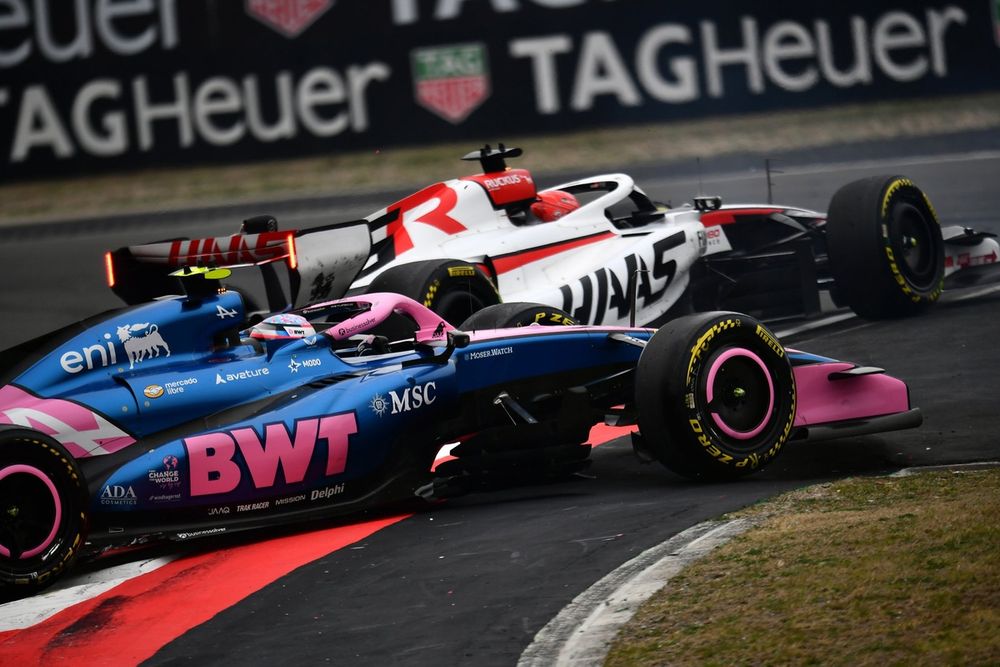
On his outlap, Colapinto’s second-stint progress was damaged by Ocon’s Turn 2-3 lunge
Photo by: James Sutton / Formula 1 / Formula Motorsport Ltd via Getty Images
“Then we stopped three laps after Esteban, I came out in front, I did really good laps on the old hard and he hit me on the rear right, I had a big hole on the floor which was not great for performance and not great for the balance. He came back and said sorry, and it’s all good. We had a nice fight with each other during the race, really close and at the end it didn’t finish well but he apologised. It’s all fine.”
The spin itself, allied to the floor damage, was the likely root of his late-race problems with the medium. He began to suffer with graining, just as he’d caught Sainz; this weakened his assault versus the Williams driver, who was defending a vital haul of championship points in spite of his team’s tough start to the year.
“We should have gotten many more points than what we had today and that’s the annoying bit,” Colapinto added. “Which is good to be annoyed by that. Of course, when this opportunity slips away, it’s not nice.”
Finally granted a full pre-season test programme after being parachuted in mid-season during both of his part-seasons in F1, Colapinto appears to be much more confident with his machinery. This contrasts heavily with last season, one in which he frequently spoke of needing to spend time with the team to develop his understanding of a tricky A525, one that Gasly frequently struggled to propel towards the points.
But in that, augmented by the pressure of needing to perform to retain his seat for a full season, Colapinto arguably got lost in the details of the set-up; while there was only so much you could do with the 2022-25 cars given the rigidity of the suspension packages, minuscule changes had the propensity to throw the car from one extreme to another in terms of balance.
While Shanghai needs to be the turning point in Colapinto’s career, it should have the effect of relieving some of the pressure upon him. What we don’t know is how consistent Alpine can be over a season, and the car had looked good in China and in Bahrain testing. It was a surprise that Melbourne had been such a weak weekend for the Anglo-French squad but, wherever the car is, Gasly will offer a sensible barometer of the A526’s ultimate pace.
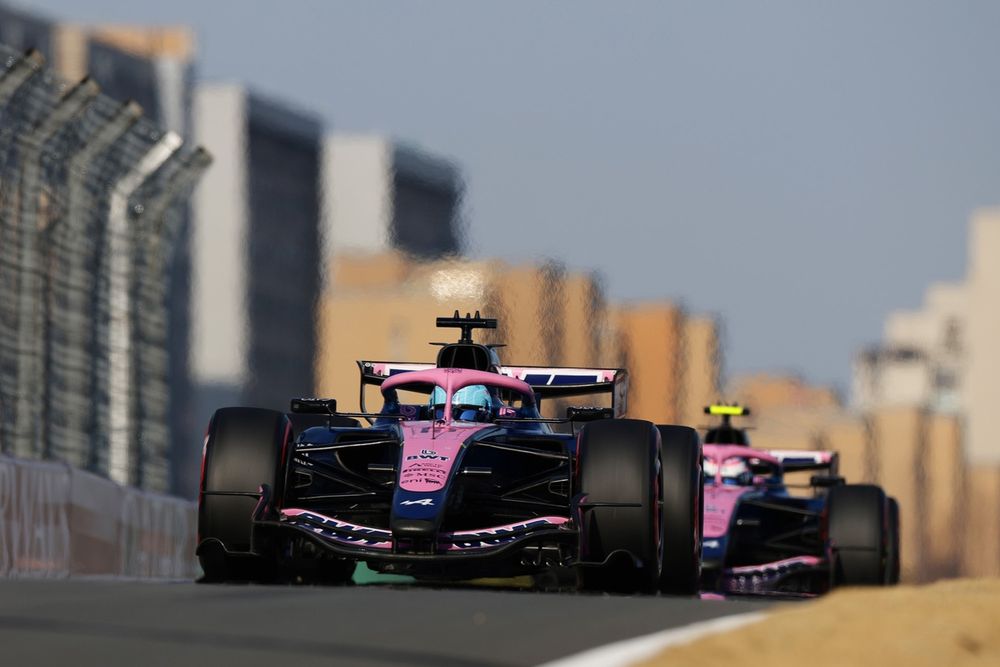
Gasly is a solid benchmark for Colapinto – but can the Argentine regularly beat him?
Photo by: Mark Thompson / Getty Images
Where it’s difficult to delineate between the two lies in the team’s decision to split its strategies in both races so far in 2026; Gasly started on mediums across both, while Colapinto had to go long on the hard tyre. On both occasions, Gasly benefitted from cheap stops under virtual and real safety cars alike, while his team-mate was forced to persist on the hard compound and thus driving to a higher target lap-time to extend the stint.
If you’ve got to this point and wondered why this writer has decided to centre a column around the driver who finished 10th, then please allow me to explain: sometimes, it’s nice to highlight the unsung drives – while Mercedes and Ferrari courted the bulk of the attention in China, as did the drives of Ollie Bearman and Pierre Gasly, Colapinto produced a drive every bit as creditable as those who finished within the top six – but one masked by unfortunate events.
What’s clear is this: if a little bit of luck can go Colapinto’s way over the next few races, he’ll start to believe that he can indeed make his own.
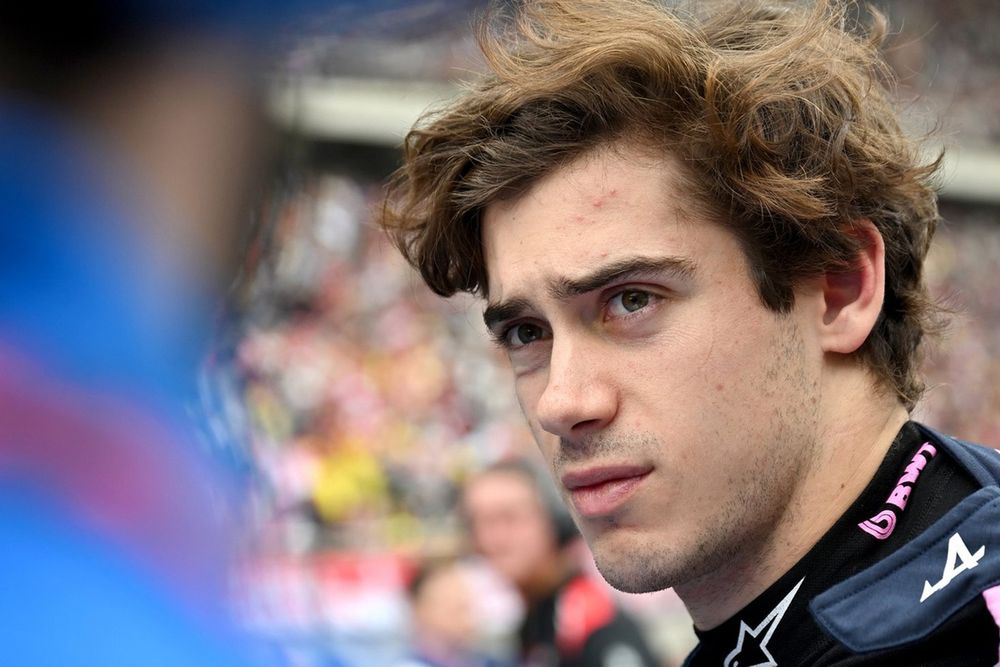
Can Colapinto show enough talent to earn a deal for 2027?
Photo by: Sam Bagnall / Sutton Images via Getty Images
We want to hear from you!
Let us know what you would like to see from us in the future.
– The Autosport.com Team