

Have you heard the (health) news? A new drug is going to be offering on the NHS, and it could provide an alternative option for women experiencing menopause symptoms – namely, hot flushes. The drug is known as fezolentant or Veoza and, while it’s been being privately prescribed to patients already, it’s now going to be made available to suitable patients on the NHS.
The new drug is designed to offer relief from hot flushes, described by the NHS as ‘sudden feelings of hot or cold in your face, neck and chest which can make you dizzy’. These flashes affect the majority of women during stages of the menopause, and the new drug could be an alternative to hormone replacement therapy for some.
Dr Nighat Arif is a GP and women’s health specialist who has been prescribing Veozah and describes it as a ‘good’ drug for some. She explains that Veoza is a non-hormal medication which ‘works by blocking Neurokinin B (NKB) in the brain’s thermoregulatory center,’ and can relieve the severity of ‘moderate to severe hot flashes’ within one week of use and a reduction of the frequency of hot flushes by 60% in 12 weeks

Ekaterina Goncharova
So, who can take the new drug? ‘This is good choice for some women who cannot have systemic HRT or choose not to have HRT,’ says Dr Nighat. ‘But this drug is not recommended for women living with liver disease, oestrogen-dependant cancers and we are still not sure if it’s safe for breast cancer patients, who are part of the group who cannot have systemic HRT.’
There are also side effects to consider. ‘Veoza can cause headaches, insomnia and serious liver injury,’ says Dr Nighat. ‘So blood tests are needed before and during the first 3months of treatment, which could make it costly for the NHS.’ Depending on what level of availability the NHS decides to offer the drug at, could also mean it getting hold of it becomes a ‘postcode lottery’, she adds.
‘Yes, it’s good to have choice – but systemic HRT is still first line and safe for the majority of women, particularly as it includes estrogen. A decline in this hormone which impacts the brain areas involved in memory and cognitive function is thought to be a key driver of “brain fog” so HRT can improve this symptom, but it is also good for bone, brain and heart health, and weight management – as well as dealing with flushes. Women are more than just symptoms of menopause and their underlying biology needs longer term support for preventing future healthcare issues,’ says Dr Nighat. ‘I am afraid this isn’t the revolution we think it is.’
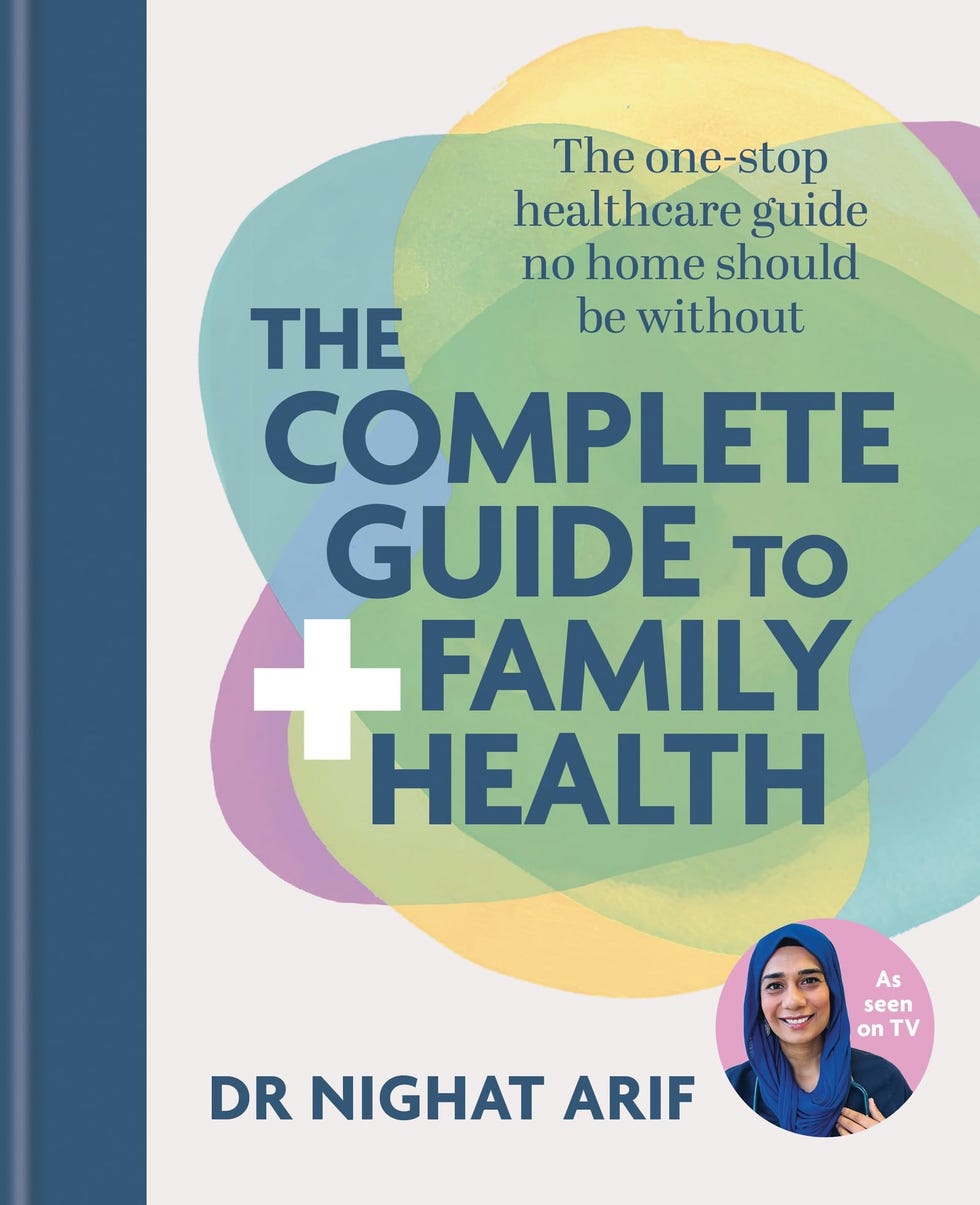
The Complete Guide to Family Health: The One-Stop Healthcare Guide No Home Should Be Without
 Related Stories