
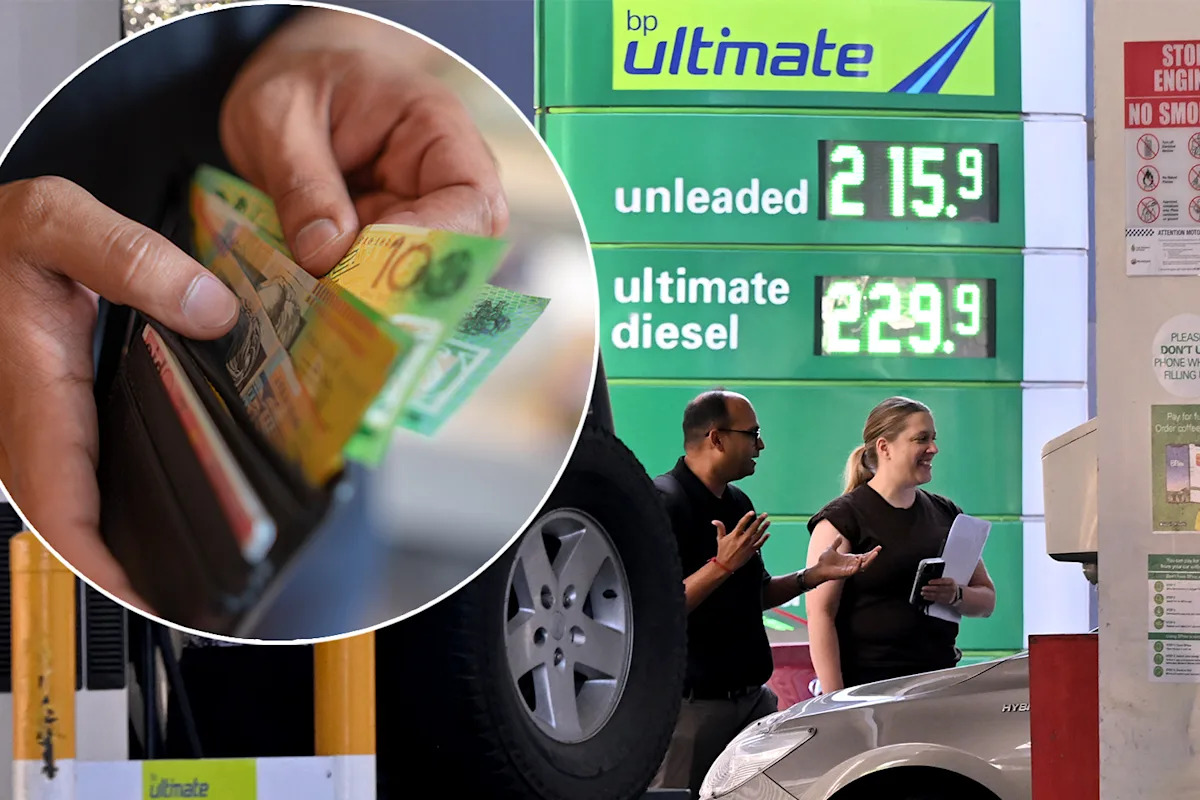
For Australian drivers watching petrol prices climb by the day, relief can feel out of reach, even as governments consider cracking down on pricing.
Federal Treasurer Jim Chalmers said on Tuesday that the Australian Competition and Consumer Commission (ACCC) is “hauling the petrol suppliers in” for “an explanation” over the major price hikes seen in recent weeks.
“Some of the steep increases in prices we saw shortly after the outbreak of this conflict have really raised concerns,” he said.
Chalmers said the regulator would require fuel retailers and suppliers to justify their pricing, warning that any evidence of misconduct should be met with strong enforcement action from the ACCC.
But what is clear is that Australians are concerned.
A Yahoo News poll of more than 13,500 people found 77 per cent were “worried”, compared to 15 per cent who voted “not really”.
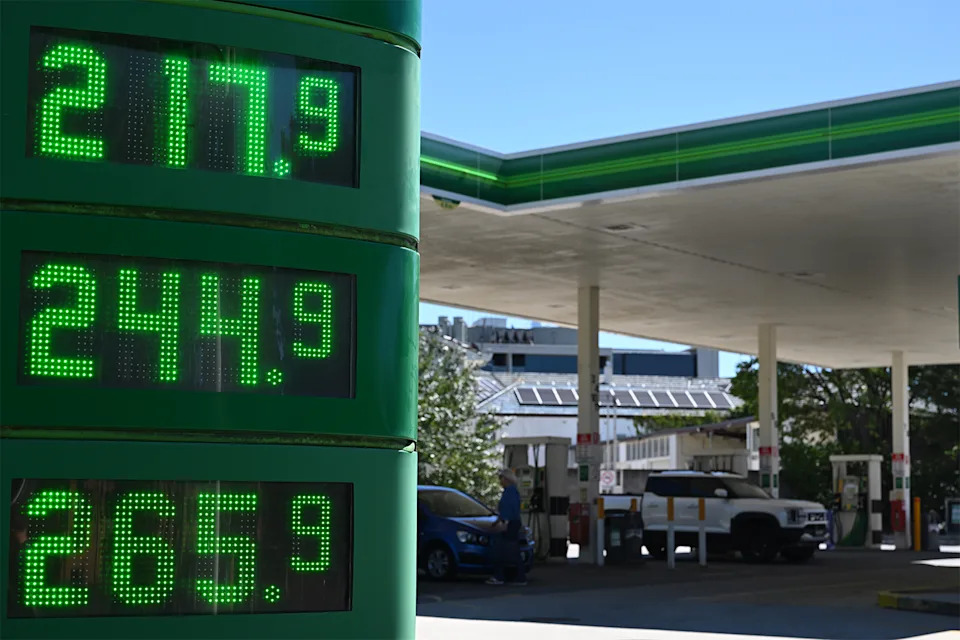
As fuel prices climb and panic buying is discouraged, what practical steps can Aussie households take? Source: AAP/Lukas Coch
In Western Australia, the state already operates a similar system, requiring servos to set and stick to daily prices under its long-running FuelWatch scheme.
In New South Wales, there are calls — including from the NRMA — for a comparable model, as the government ramps up scrutiny of fuel pricing. The state will soon be deploying “double the number” of Fair Trade inspectors across the state.
Do you have a story about petrol prices? Contact newsroomau@yahoonews.com
Is a national approach to petrol prices on the horizon?
Yahoo News Australia spoke to Hussein Dia, Professor of Transport Technology and Sustainability at Swinburne University, about whether Australians should expect any similar moves at a federal level.
He said it’s unlikely.
“Petrol prices in Australia are not controlled by governments,” Professor Dia said.
“They were deregulated in the 1980s, and prices are largely set by global oil markets.
“What authorities can do is monitor the market closely and take action if companies engage in price gouging or misleading behaviour.”
He said that at the end of the day, it’s global oil prices driving this, and when supply is tight, there’s only so much governments and regulators can actually do to bring costs down.
“There is always public concern when prices jump quickly, which is why the ACCC is monitoring fuel pricing very closely. But most of the time, the main driver is global oil prices.”
How can households play a role in the fuel crisis?
So, what’s the solution?
While governments can step in to release fuel reserves and reassure Australians there’s enough supply, Professor Dia said the real long-term fix is reducing the country’s reliance on imported oil.
That could come down to driving less altogether, with sky-high prices set to remain for “at least a few months”.
He said behavioural changes could help, particularly in the short term.
“People can start by driving less, carpooling with neighbours or colleagues, and shifting trips to public transport or active transport like walking and cycling,” he said.
“Even small changes, like working from home a couple of days a week, can add up.”

Hussein Dia, Professor of Transport Technology and Sustainability at Swinburne University. Source: Hussein Dia
Electrification is another key strategy.
“Electric vehicles, e-bikes, even trains and trams — these all reduce our reliance on imported fuel, because electricity is produced locally,” Professor Dia said.
“That’s energy security, and it’s something we can actually control.”
In households, small adjustments can make a big difference.
“Even looking at your energy use at home matters. Switching to electric appliances where possible, and considering electrified heating and cooking, sends signals that help reduce overall dependence on imported fuels,” he said.
He pointed to Victoria’s recent limits on gas installations in new homes as an example of government policies nudging behaviour.
On a broader level, Professor Dia said authorities can continue to monitor the market and take action where necessary, but ultimately, Australia can’t control the global oil market.
“Every time there’s a disruption, whether it’s a conflict overseas or a temporary supply shortfall, prices here will feel the effect. That’s why long-term planning, electrification, and alternative transport options are key,” he said.
When will prices come down?
Even if international conflicts are resolved tomorrow, Professor Dia expects petrol prices to remain high for a few months.
“Some facilities have been damaged or destroyed, and it takes time to rebuild. So, yes, people will continue to feel the pinch for a while.”
The good news, he said, is that Australians can act now.
Simple steps like reducing unnecessary trips, embracing public and active transport, carpooling, and considering electric options all contribute to lowering exposure to volatile oil markets.
Meanwhile, governments can continue to enforce transparency in fuel pricing and support long-term electrification initiatives.
“In the short term, it’s about behaviour. In the long term, it’s about infrastructure and energy independence,” he said.
“We can’t control global prices, but we can control our dependence on them.”
Do you have a story tip? Email: newsroomau@yahoonews.com.
You can also follow us on Facebook, Instagram, TikTok, Twitter and YouTube.