

The family of a 19-year-old who took his life after developing a gambling addiction say they believe he might still be alive if Bet365 had taken better care of him.
Arthur Soames, of Fulham, west London, died within six months of his betting going from an occasional punt on his favourite football team to night-long sessions where he was staking thousands of pounds on casino games.
His family believe Bet365 cross-promoted more addictive games, such as online blackjack and roulette, encouraging his betting to escalate.
At an inquest at West London coroner’s court this week the coroner, Ian Arrow, concluded that Soames’s gambling disorder had contributed to his death, an allegation that Bet 365 had argued was “speculative”.
In the first 18 months that Soames had his Bet365 account he bet an average of only one or two times a month, usually just on the outcome of games being played by Chelsea Football Club. But in December 2021, while he was already struggling with depression and anxiety, the frequency of his betting skyrocketed. Over the next three months he placed more than 1,600 bets. In the January alone, he staked more than £13,000.
Over March and April his betting subsided. However, the following month, it escalated again. On the day he took his own life, in May 2022, he lost seven casino bets in a row, each time doubling his stake and losing.
Speaking exclusively to The Times, his mother, Isabelle Soames, said her life had been “changed for ever” by her son’s death. “Arthur was a pure joy. I know parents always say that about their children but he was a real ray of sunshine. He brightened any room. He touched people with his kindness. He was so gentle and patient. People who only met him once or twice always remembered him for it.
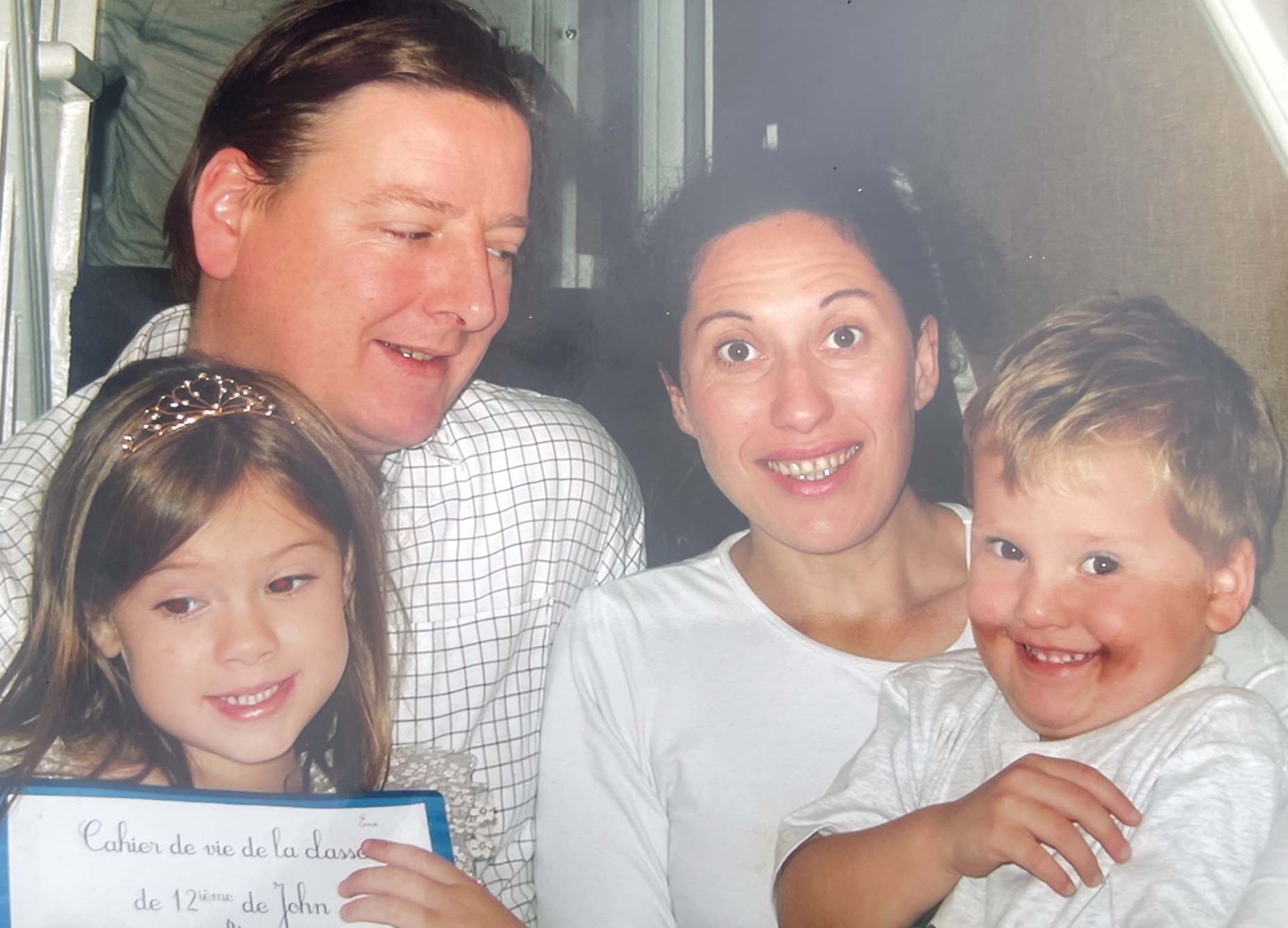 An early family picture. Isabelle Soames said life would never be the same after her son’s death
“Now he has gone I just see life completely differently and it will never be the same again. The grief is for ever. We do carry on. We have to. We have our daughter. But we can’t share a moment as a family. We haven’t been able to sit around the kitchen table since he died. You see things completely differently.”
Mrs Soames, 58, said she was aware her son was struggling with his mental health, partly as a result of the isolation of going to university during the pandemic. She said she was trying to support him by arranging therapy and engaging with mental health services. However, she only found out about her son’s gambling after he died when she looked at his bank statements and saw thousands of pounds of deposits with Bet365.
“I was so shocked,” she said. “I was just seeing one bet after another. I had no idea.”
The family, who have been supported by the charity Gambling with Lives since his death, later learnt that he had been in his room betting late into the night. Sophie Boucher, his aunt, said the escalation in gambling coincided with a downward spiral in his mental health.
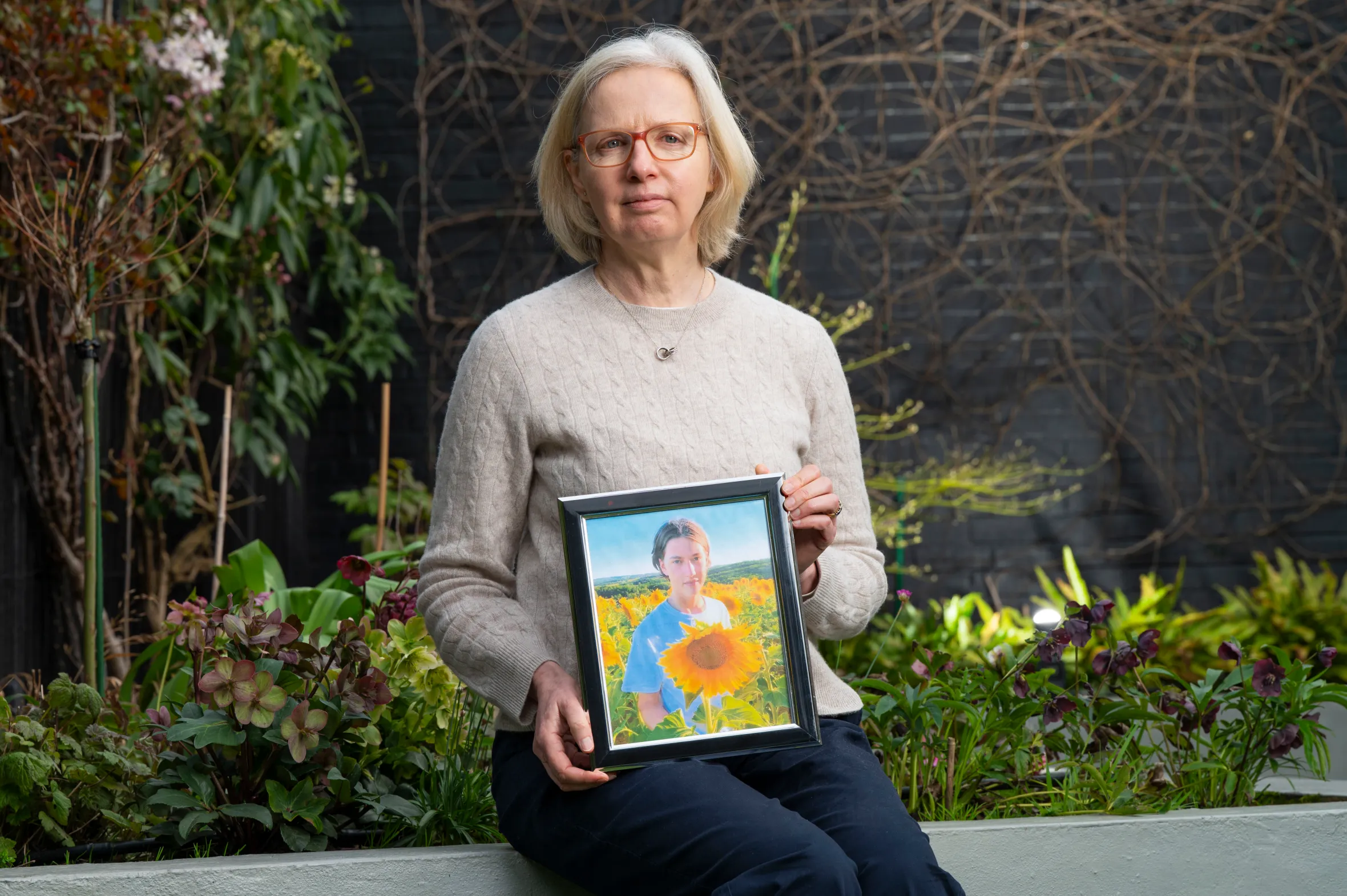 Sophie Boucher, Arthur Soames’s auntlucy young for the Times
She describes Bet365’s response at this time as “extremely disappointing”.
“I believe he might still be alive today if they had done more. They only sent one auto-generated email noting he had been gambling for long periods of time and pointing to self-help tools on the website. That was more than two months after his betting had escalated and we don’t even know if he opened it. Otherwise there was nothing. You could say he may have turned to another operator if they had blocked him or whatever but it could have made a difference.”
The family also said they were upset with the health services because they did nothing when Soames mentioned his gambling in a therapy session. Nor did they share information with the family about an escalation in his suicide risk.
“Their communication was not good,” said his mother. “We didn’t know how bad things were and we didn’t know the level of risk. We loved him so much and wanted to support him, we wanted to be there, but we weren’t given that information.”
Boucher added: “We knew Arthur was really struggling but he never told us about his gambling. Shame is a corrosive emotion and it usually accompanies gambling disorder. It can make people feel inadequate and hopeless, and prevent them sharing their difficulties with loved ones.”
The inquest heard that the evening before he died, Soames had told his father he had “done something bad”.
The coroner noted that on the day of his death, he had “exhausted all viable funds and credit” available to him. Arrow added: “He told his friends ‘I have lost everything’. In my view it was more than just funds he had lost. It was his familiar and social standing. I accept the evidence that his depression reinforced his gambling and his gambling reinforced his depression.”
The family wants Bet365 to review their processes to make sure young people in a similar situation are identified earlier and with stronger interventions.
Boucher said: “His age and that very stark change in pattern of betting should have been an immediate red flag. They should have been in contact with him and not at the most basic level of interaction. An interaction is a two-way process and not just sending a standard email.”
During the inquest Bet365 opposed the suggestion that gambling contributed to Soames’s death on the grounds that he was in a net winning position and that there were other factors causing him stress in the period leading up to his death.
However, the coroner disagreed, giving a narrative verdict that he had died because of “anxiety and depression exacerbated by gambling disorder”.
The family said they were “highly concerned” about the position taken by Bet365 at the inquest, and believed it had failed to learn any lessons from the teenager’s death.
Dan Webster, a solicitor from Leigh Day, which represented the family, said: “There is no independent scrutiny or oversight of operators’ algorithms and it is left entirely to their discretion to design appropriate systems to identify harm and intervene, in circumstances where they have a strong commercial interest in doing so in only a small proportion of cases.”
Mrs Soames said: “We believe the Gambling Commission should require operators to have a tailored risk-detection system for this age group, focusing more on frequency of bets, length of sessions and time of day when gambling is taking place, with night-time gambling being a high risk indicator, as opposed to amounts of money lost. ”
The coroner indicated that he intended to issue a prevention of future deaths report to the Gambling Commission.
Bet365 said: “This is an incredibly tragic and complex case and our thoughts and condolences remain with Arthur’s family and friends. We strive for the highest safer gambling standards and consistently review and update procedures, including during the last five years. We will now take time to consider the inquest’s findings.”
For confidential support, contact the Samaritans on 116 123 or samaritans.org