
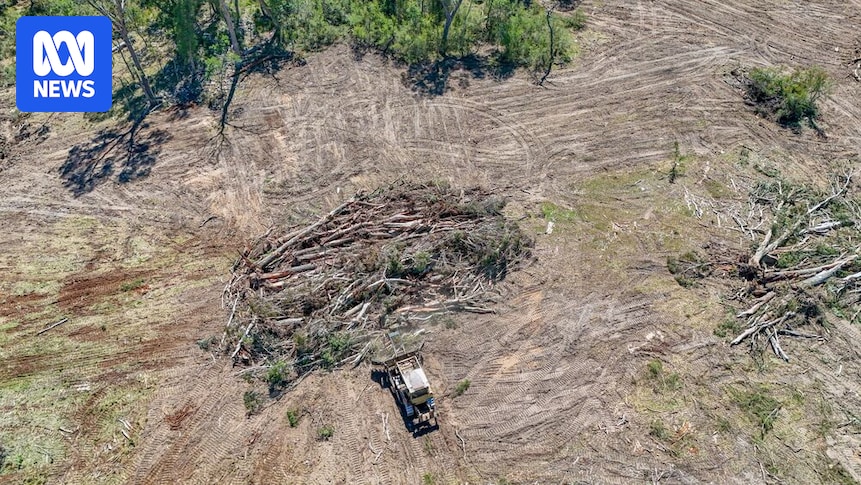
Koala habitat has been bulldozed in an apparent breach of environment laws that took effect in December, with conservationists worried farmers are largely unaware of their new obligations.
Investigators with the Australian Conservation Foundation (ACF) also found landholders who had spoken with state environment agencies were given wrong or misguided advice that they did not need to seek approval under the new laws.
A massive rewrite of Australia’s decades-old environment laws passed parliament late last year, with the establishment of a federal watchdog now underway.
Deal to end years-long stalemate on environment laws
From December 1, landholders have been required to seek EPBC approval to clear vegetation that is at least 15 years old if it contains a “matter of national environmental significance”, such as koala and quoll habitat or other endangered animal and plant life.
That replaced a previous exemption that excluded agricultural land clearing from the federal act.
But the ACF has found, via satellite imagery, a dozen cases in Queensland and NSW of old bushland containing endangered habitats being cleared without any of the necessary referrals for approval.
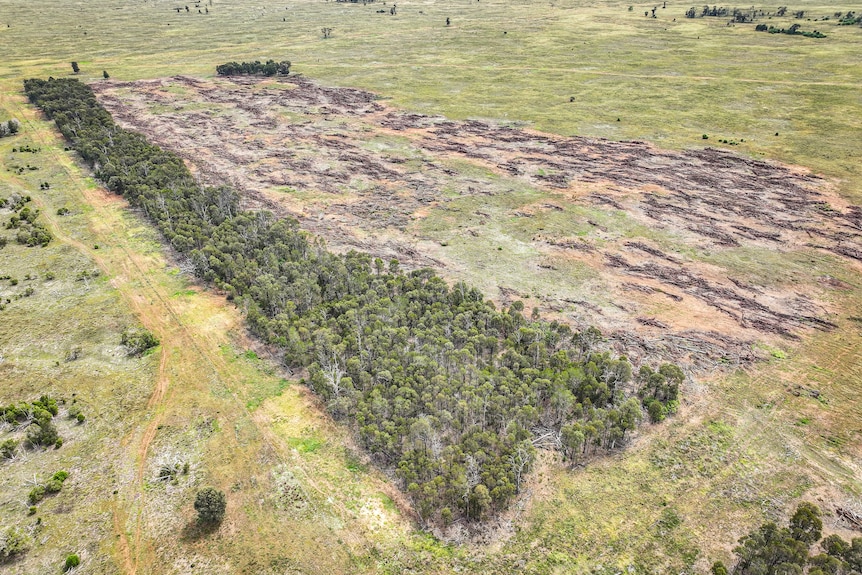
The ACF has identified a dozen cases of land clearing after December 1 that it says should have been referred for EPBC assessment. (Supplied: Australian Conservation Foundation)
When the ACF contacted landholders about their land-clearing activities, some reported that they had sought advice from state agencies and been told that a referral under the EPBC Act was not necessary.
“We’re seeing two things we really don’t want to see: the bulldozing of endangered ecosystems — including habitat for koalas — and landholders unaware that they may have broken the law,” ACF campaigner Darcie Carruthers said.
“I’ve listened to landholders who are confused and stressed out when they get a phone call from us telling them they’ve potentially broken the law. That’s not working for anyone.
“We really need to see landholders receiving education about their updated obligations under the national nature protection law, and I think we really need to see prioritised education of the state and territory departments as well, who are usually talking to these landholders.”
Critically endangered ecosystem logged
In one case documented by the ACF, a farmer near Warwick, Queensland, cleared 150 hectares of vegetation in December last year to expand cattle operations.
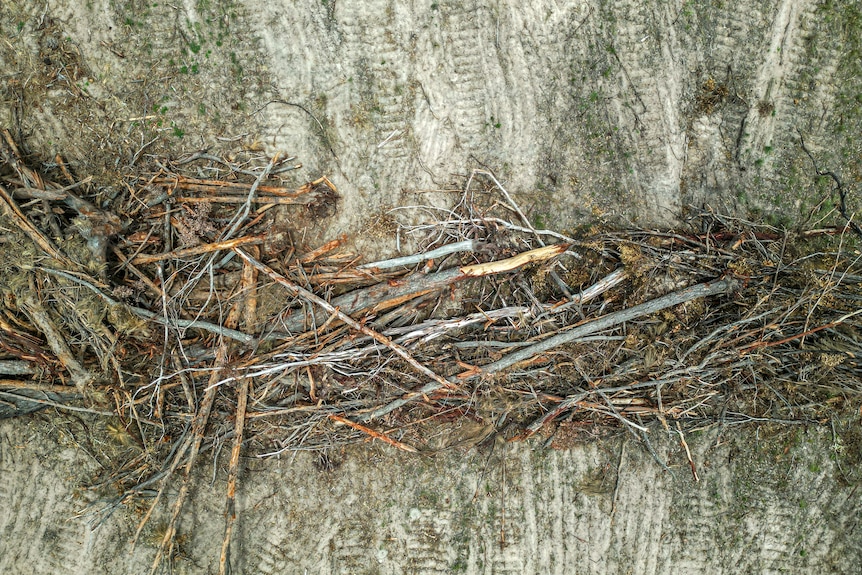
The land contained critically endangered white-box yellow-box ecological communities. (Supplied: Australian Conservation Foundation)
Satellite imagery showed that the vegetation was more than 20 years old and included critically endangered white box and yellow box eucalypt ecological communities, with more than a dozen koala sighting records within 17 kilometres of the property, including recent records of sightings adjacent to it.
RSPCA Queensland estimates there are fewer than 16,000 koalas left in south-east Queensland, and warned the ABC last year they could become extinct in that region in the “not-too-distant future”.
Koalas under threat from urban creep and chlamydia
When the ACF contacted the Warwick farmer, they said the “well-meaning” man had contacted the Queensland environment department for advice and been told he had “carte blanche” for land clearing.
The man reportedly asked explicitly about the new environment laws but was told they were not relevant to his property.
The case has now been referred to the federal environment department, which has engaged directly with the man.
The maximum penalty for breaches of the EPBC Act is up to $1.565 million for individuals and up to $15.65 million for corporate breaches.
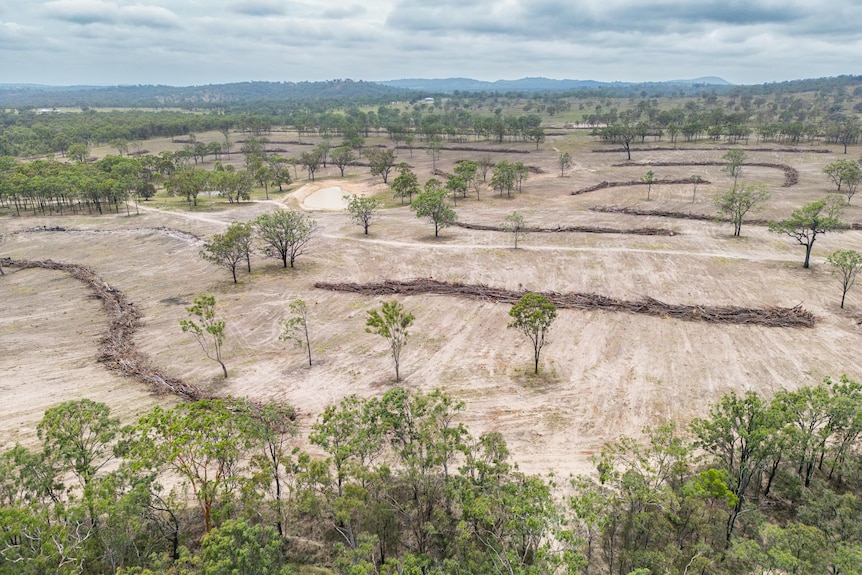
The ACF says koala habitat has been cleared without the necessary federal approvals. (Supplied: Australian Conservation Foundation)
Cattle and poultry farmer Randal Breen, who runs a property in Goomburra outside of Warwick, said there had been little to no direct contact from government about new obligations under the reformed EPBC Act.
“It’s something that’s been challenging to find information on, and it really comes down to the homework you do yourself,” Mr Breen told the ABC.
“I can understand with the change of law that’s come in that people with the best of intentions are being caught out doing the wrong thing, there seems to have not been a whole-of-government information [sharing process] from federal, state right down to local council.”
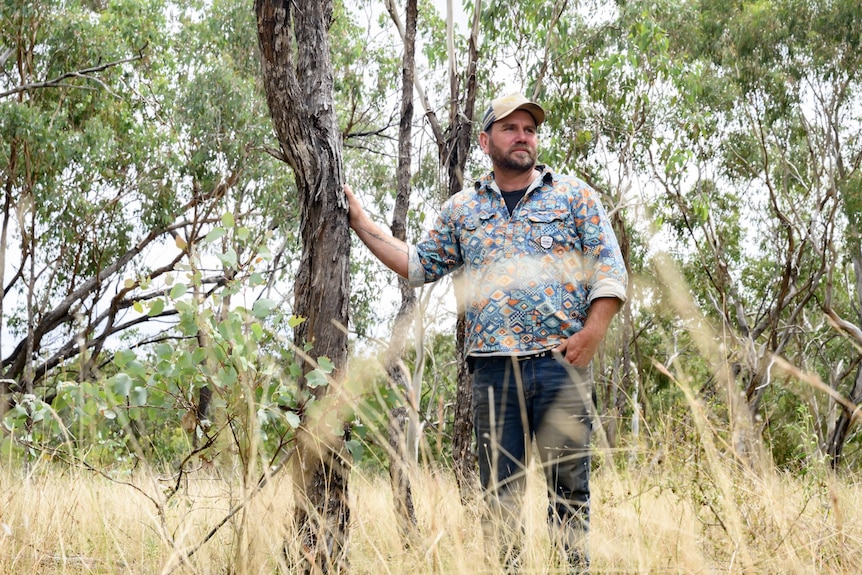
Randal Breen says farmers have largely had to work out their new obligations under the EPBC Act themselves. (ABC News: Brandon Long)
An EPBC referral hotline is available for advice, and the federal government says engagement teams have been dispatched to aid farmers to understand the new laws.
But there is still confusion and Mr Breen said at his own property discerning whether approval was needed to clear a small amount of remnant vegetation for a water tank had been difficult to navigate “and it does cause some anxiety trying to work out whether that’s a legal and [permitted] activity”.
The Queensland farmer said it should sit at the feet of the federal government to ensure information about its federal reforms was passed down the line to state and local authorities.
In another case, a Walcha NSW property cleared 50ha of woody vegetation between the end of December and January mapped as habitat for endangered spot-tailed quolls, which have 21 recent sighting records within ten kilometres of the property.
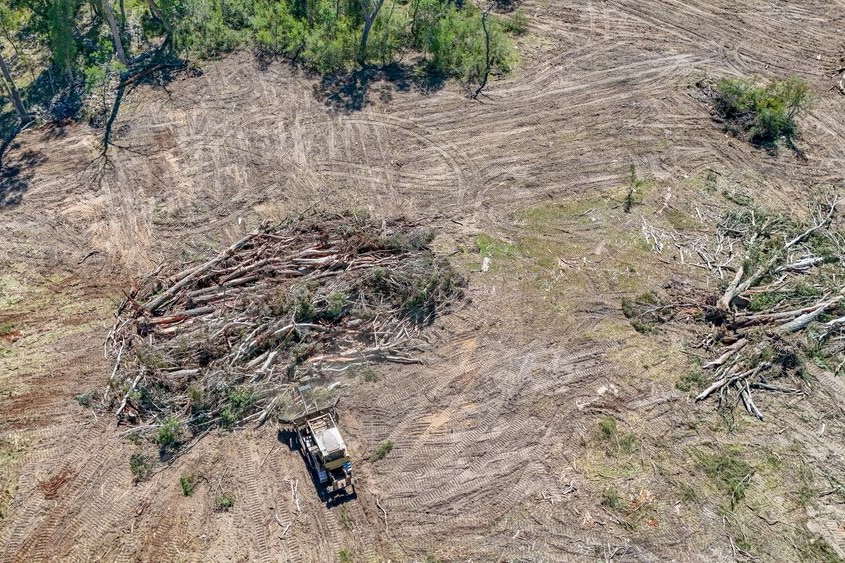
The ACF identified land clearing in northern NSW that it says should have been referred for approval under the EPBC Act. (Supplied: Australian Conservation Foundation)
Again, after the ACF spoke with the landholder, they heard NSW Local Land Services had advised no referral for an environment assessment was required to clear the land.
The ACF has also referred a case from Durong, Queensland, where 43 hectares of native vegetation were cleared that has been mapped as endangered Brigalow ecological community that was mostly 17 to 22 years old — of which less than ten per cent now remains.
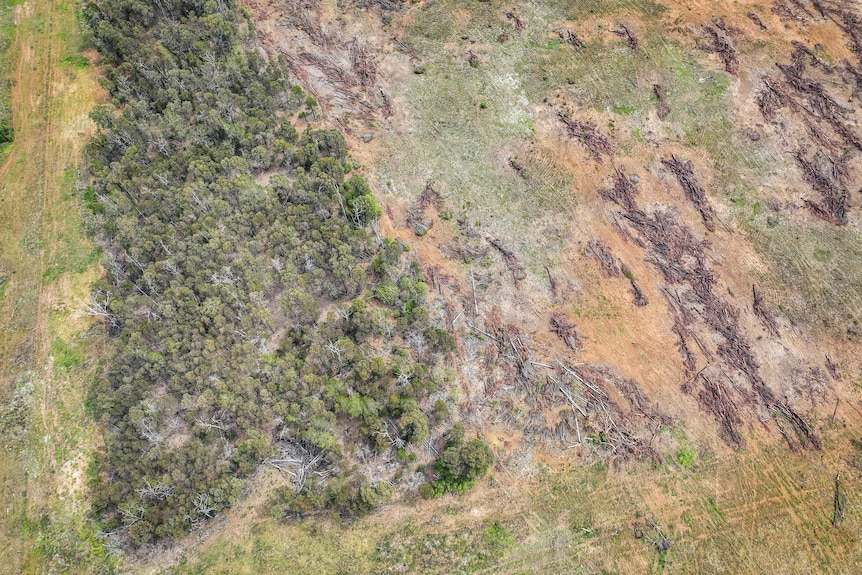
Landholders have told the ACF that they have received little communication from the government about the new laws. (Supplied: Australian Conservation Foundation)
Ms Carruthers said the cases identified by the ACF were likely just a sample of what was happening.
“We’re absolutely concerned there could be more clearing going on than what we have detected,” she said.
“We need to make sure if clearing is occurring it has been given the tick of approval and a full assessment has been undergone before that clearing happens.
“Nobody wants to see landholders who are potentially in breach of a law they have never heard of, and nobody wants to see forests and woodlands and protected ecosystems being bulldozed. Something has got to change.”