
The federal government has established a national fuel supply taskforce to steer Australia’s response to the oil crisis sparked by the war in the Middle East, naming the former head of Australia’s energy regulator as its leader.
Prime Minister Anthony Albanese announced the appointment of Anthea Harris after a national cabinet meeting with state and territory leaders on Thursday, describing the taskforce as a “sensible measure” amid fears a prolonged war could wreak havoc on domestic fuel supply.
Iran war live updates: For the latest news on the Middle East crisis, read our blog.
The new national coordinator — who was also previously chief executive of the Climate Change Authority — will be tasked with driving coordination between the federal and state and territory governments on matters of fuel supply and national resilience.
As part of that she will provide regular updates on the outlook of supply and how fuel is being distributed domestically.
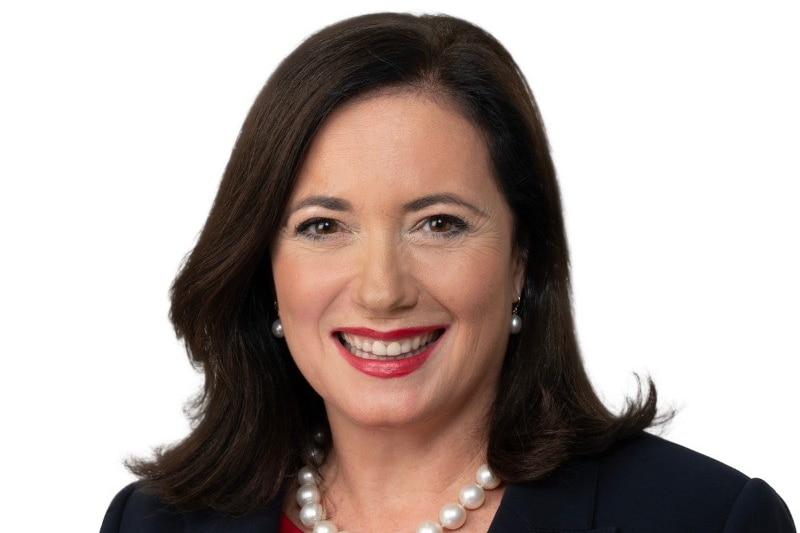
Taskforce coordinator Anthea Harris. (Supplied: LinkedIn)
States and territory leaders will also appoint a representative each to work with Ms Harris, with the taskforce to come under the Department of Prime Minister and Cabinet.
“The Commonwealth government is of course responsible for fuel security and supply, but it is the states who are responsible for distribution within their jurisdictions,” Mr Albanese told reporters in Hobart.
“The best outcome is to ensure that Australia is over-prepared.”
After April, fuel gets complicated
Fuel prices have risen sharply around the world since the United States and Israel’s attack on Iran, triggering the Islamic Republic’s effective blockade of the Strait of Hormuz, a key shipping route for about a fifth of the world’s oil.
Overnight, a strike on the world’s largest gas field, which is jointly owned by Iran and Qatar, triggered a 5 per cent jump in oil prices.
While the government maintains all of Australia’s fuel shipments have arrived as scheduled so far, motorists in the country’s five largest cities last week paid on average around $2.19 a litre for regular unleaded petrol — an increase of almost 49 per cent since February 20, according to ACCC figures.
Diesel was more than $2.40 per litre on average.
The prime minister stressed the shortages currently being felt in regional and rural towns were the result of increased demand rather than supply issues.
“There is not less fuel in Australia today than there was three weeks ago,” he said.
“This has been an issue of increased demand … which is why we need to coordinate to make sure those distribution issues are dealt with.”
Opposition leader says Labor acted too late
The government has already released about six days’ worth of petrol and five days of diesel from its emergency stockpile as part of an internationally coordinated response and temporarily lowered fuel standards so onshore refineries can redirect supplies into the local market.
But Labor has been under pressure to do more to shield Australians from the global shocks, as the treasurer warned the conflict could push inflation above 5 per cent.
Opposition Leader Angus Taylor said he supported the national taskforce, but accused the government of not acting soon enough.
“The taskforce should be the minister and his team. I’m not against having a taskforce if that’s going to solve the problem,” he said.
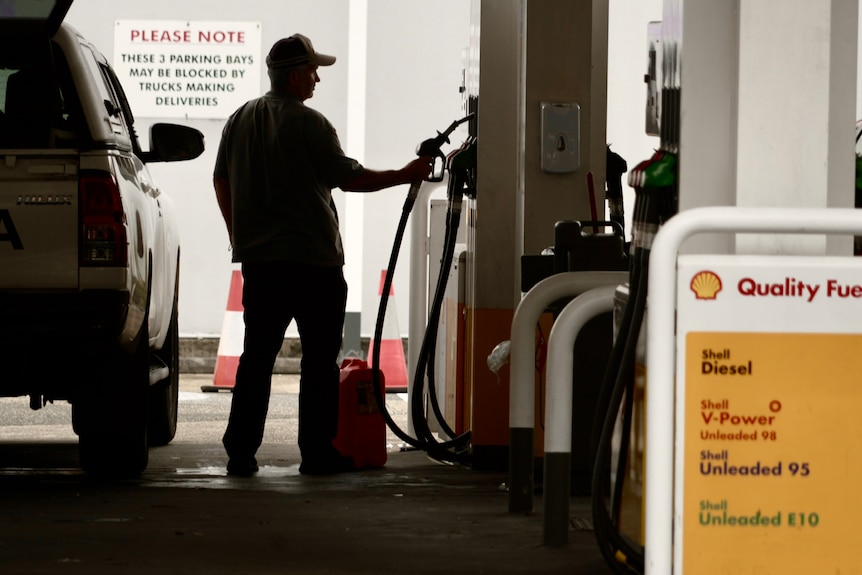
The federal government has stepped up its response to global fuel supply disruptions. (ABC News: John Gunn)
“The prime minister should step in, I’ve been saying that for days, because the minister’s not doing his job … he failed Australians and this is the consequence.”
The consumer watchdog on Thursday revealed it was investigating allegations of anti-competitive conduct in regional and rural Australia by major fuel suppliers Ampol, BP, Mobil and Viva Energy.
ACCC chair Gina Cass-Gottlieb said the public announcement was an unusual step for the commission, taken in response to the significance of the issue.
Labor plans to introduce legislation in the coming sitting week to double the penalties for petrol companies who engage in “false or misleading conduct or cartel behaviour”, with maximum fines of $100 million per offence.
Loading…