
The national average price for diesel – measured every Sunday – was 245¢ a litre, and 219.5¢ for unleaded petrol as of the latest update. The latter is a 20 per cent increase since the conflict began on February 28.
That’s the most expensive weekly petrol price on record.
Related Article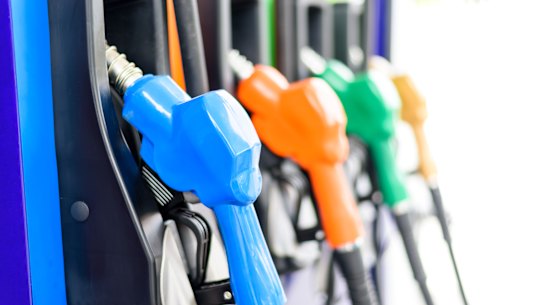
Earlier today, the government appointed former energy regulator Anthea Harris as a new fuel tsar to coordinate the response to price spikes and supply chain disruptions as a result of the war.
Meanwhile, Dr Vinh Thai, who teaches logistics and supply chain management at RMIT, said it won’t only be fuel that becomes harder to buy if oil and petroleum product exports continue to be disrupted.
“Petrochemicals are foundational to the medical industry, from pharmaceuticals such as aspirin, vitamins and antihistamines to medical equipment like syringes and blood bags, as well as disposable healthcare items including diapers and sanitary products,” Thai said in a statement.
“Australia imports around 90 per cent of its medicines, with pharmaceutical products ranking among the country’s top 10 imports, valued at approximately US$11.86 billion ($16.72 billion) in 2025.”
“If the conflict persists, the impact could intensify, particularly if exporting countries impose restrictions or bans, making it critical to closely monitor supply chain risks to ensure continuity of medical supplies.”
How readers are feeling the fuel shortage
David: Will be getting the bus to work instead of driving and no coffee from coffee shop each day. We will stop eating out and cut spending on other discretionary items. Did the same in COVID and worked well in balancing budget and increasing savings.
Bill: Have an electric car, and loving it!
Helen: Petrol is $2.29. Some petrol stations are $2.39. I have restricted the number of times I drive the car and I have opted to drive shorter distances.