
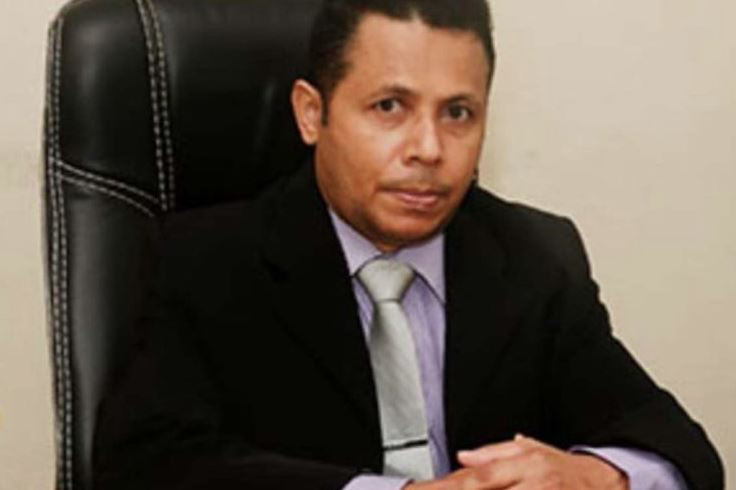
The National Joint Committee (NJC) has raised concerns over the arrest and detention of retired Major General Suresh Sallay, calling for due process and caution in handling sensitive national security matters.
Issuing a statement signed by Dr Anula Wijesundera, the NJC has said the former senior military officer served the country for decades in the armed forces and intelligence services during critical periods of the conflict against terrorism.
While acknowledging that all citizens are subject to the law, the Committee has stressed that due process, fairness and respect for institutions tasked with safeguarding national security must be upheld.
Full text of the statement: The National Joint Committee (NJC) expresses deep concern regarding the recent arrest and detention of Retired Major General Suresh Sallay under a detention order.
Major General Sallay served Sri Lanka for decades in the armed forces and in the intelligence services during some of the most challenging periods of our country’s struggle against terrorism.
While all citizens are subject to the rule of law, the NJC believes that due process, fairness, and respect for the institutions that safeguard national security must be upheld at all times.
Particularly troubling are reports that sensitive intelligence-related details, including references to intelligence structures and personnel, are being publicly discussed in ways that could compromise operational security. The exposure of intelligence methodologies or personnel in the public domain can place lives at risk and weaken the effectiveness of national security institutions.
Sri Lanka has already experienced the grave consequences of such actions in the past. The Millennium City incident in 2002 led to the exposure of intelligence operatives who had been working against terrorist networks. Following the disclosure of their identities, many of those officers became targets of retaliation by the LTTE, resulting in the tragic loss of numerous lives and the dismantling of critical intelligence networks at a time when the nation most needed them.
It is therefore imperative that lessons from that painful episode are not forgotten.
It is also important to recall that prior investigations and public records confirm that intelligence warnings regarding potential attacks were received in Sri Lanka before 21 April 2019. The tragic loss of life that followed was therefore not the result of an absence of intelligence, but rather the failure of responsible authorities to act effectively upon those warnings in time to prevent the attacks. The numerous Commissions and Committees have identified these individuals and recommended action against them.
Equally relevant to the current public discussion is the factual record that Major General Suresh Sallay was neither serving as the Head of the State Intelligence Service nor present in Sri Lanka at the time when the attacks took place.
The NJC urges all authorities involved in the present investigation to ensure that the legal process is conducted with the utmost professionalism, transparency, and responsibility, while safeguarding sensitive national security information.
At a time when Sri Lanka continues to face evolving security challenges, the morale and integrity of the armed forces and intelligence services must be protected. Public confidence in these institutions is essential to the safety and stability of the nation.
The National Joint Committee therefore calls upon all responsible stakeholders — including investigators, public officials, media institutions, and civil society — to act with caution and responsibility so that the pursuit of justice does not inadvertently undermine the very institutions entrusted with protecting the country.
Sri Lanka’s patriots must remain vigilant to ensure that the sacrifices made by our armed forces and intelligence officers are not disregarded, and that national security institutions are not weakened in ways that could endanger the country in the future.