
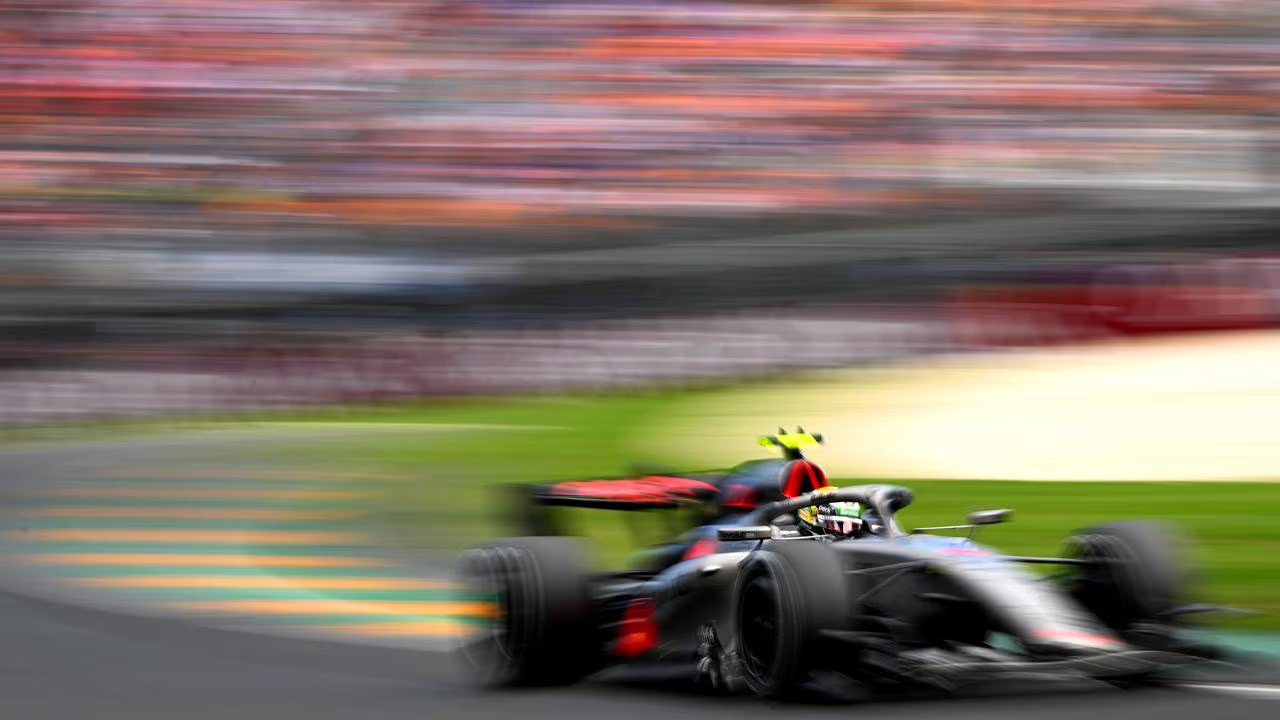
The Australian Grand Prix caused a “real disruption” to the retail workforce near Albert Park, new data shows, with a leading rostering company revealing two in five staff called in sick during the event.
Shift statistics obtained by the Herald Sun showed 40 per cent of shop workers in the Albert Park precinct didn’t show up for their shift during Melbourne’s mega race on Sunday March 8.
That’s a huge jump from the Sunday prior, when absenteeism was 9.1 per cent.
Melbourne’s Grand Prix saw record crowds through its gates this year, with more than 480,000 fans injecting hundreds of millions of dollars into the state economy.
But company Deputy — which supplies staff rostering technology for businesses to manage staff shifts, leave and timesheets online — uncovered a surprise trend while analysing absenteeism and sick leave data.
The roster technology, used by 705,000 Australian employees, showed businesses near the circuit that used its roster software struggled the most during the event — with absenteeism “skyrocketing” and local shops left “largely empty”.
“Retail absenteeism jumped from 3 per cent in 2025 to nearly 40 per cent in 2026, a dramatic spike that points to burnout or workers choosing to ‘call in sick’ for grandstand seats,” a Deputy analyst said.
Other contributing factors may have included staff wanting to avoid severe traffic congestion, transport hurdles and crowds, or taking off for the Labour Day long weekend.
Chief technology officer at Deputy Ciaran Hale said the figures revealed how Melbourne’s March sporting calendar could shake-up the workforce — but not always in a good way.
“Take Albert Park during the F1 — shifts were hard to fill and absenteeism spiked, while just a few minutes away in South Melbourne, venues were keeping up without breaking a sweat,” he said.
A similar “sickie” trend was also uncovered at retail outlets in East Melbourne at the Melbourne kick-off of the 2026 AFL season.
One in four retail workers at shops near the ‘G did not work their rostered shift on March 8 when Collingwood took on St Kilda, compared with zero sickies recorded two Sundays prior.
The spike in absenteeism during major events showed a “real disruption on the ground”, Mr Hale said.
“Late call-ins and no-shows force businesses to make last-minute adjustments, often leaving teams short-staffed during peak trade,” he said.
“That puts pressure on those who do show up, impacts service delivery, and can ultimately affect revenue at the exact moment demand is highest.”
Absenteeism was calculated as a percentage of rostered shifts not worked, which could include many reasons such as calling in sick.