
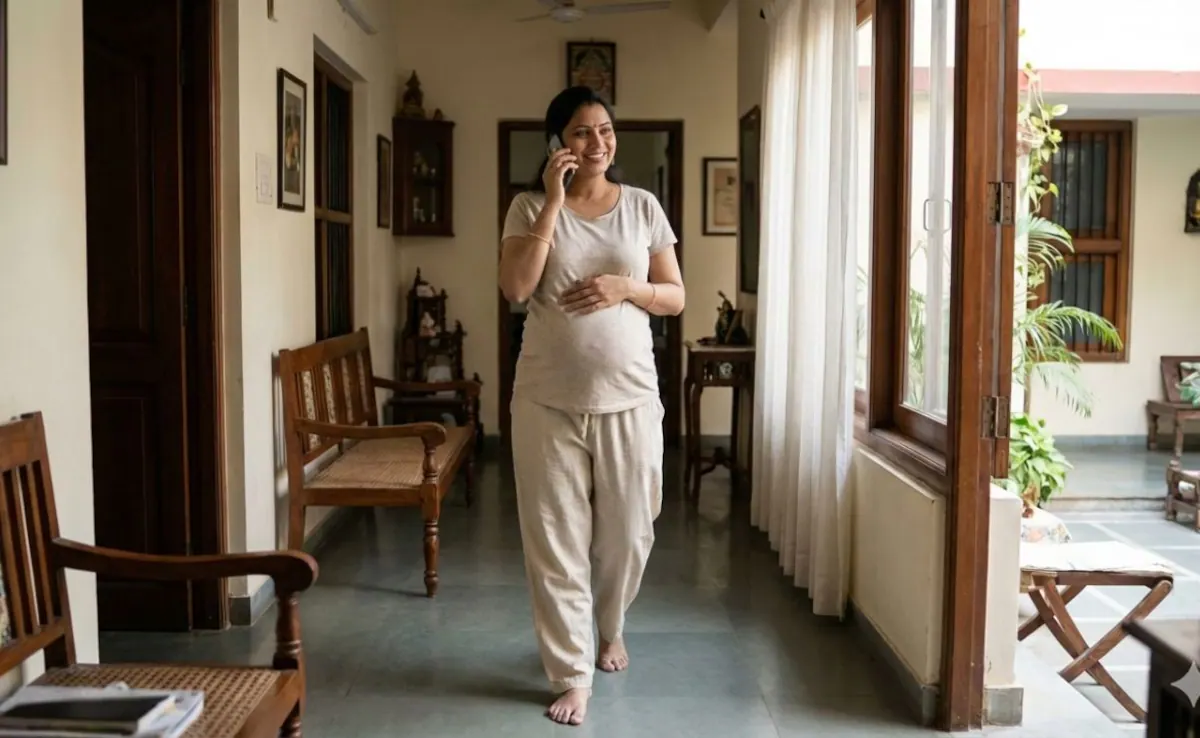
A new study suggests that pregnant women who cut down on prolonged sitting and add more light, everyday movement can reduce their risk of developing high blood pressure-related pregnancy complications by nearly 30%. The study was presented at the American Heart Association’s EPI|Lifestyle Scientific Sessions 2026. The study highlights that it is not just “formal exercise” but the balance of sitting and moving across the entire day that helps to prevent high blood pressure during pregnancy.
Kara Whitaker, Ph.D., M.P.H., FAHA, an associate professor in the department of health, sport and human physiology at the University of Iowa in Iowa City, Iowa, and lead study author, said, “Our study suggests that in the real world, where daily routines vary widely, it may actually be the balance of sitting time and light intensity movement across the entire day that matters most. This doesn’t mean exercise isn’t beneficial-rather, that when it comes to hypertensive disorders of pregnancy, everyday movement and limiting long periods of sitting may play a bigger role than we previously understood.”
Study Overview And Study Findings
Researchers analysed data from 470 pregnant women, aged 18-45, who were in their first trimester when enrolled and followed until six weeks after delivery. Each woman wore activity monitors for 24 hours over seven days in each trimester. This allowed scientists to map how much time they spent sitting, standing, walking lightly, engaging in higher-intensity exercise, and sleeping.
The researchers found that about 18.6% of the women developed a hypertensive disorder of pregnancy, either gestational hypertension or preeclampsia, during the study.
They also found that sedentary time and light physical activity to be the strongest predictors of risk across all trimesters, while traditional exercise played a smaller role. Pregnant women whose daily pattern included roughly six hours of sitting, nearly eight hours of light activity (such as walking, light housework, or gentle standing tasks), about four minutes of higher-intensity activity, and about 10 hours of rest had only 8% risk of developing high blood pressure complications, compared with 16.9% among those with a more “typical” movement pattern.
This mix of movement reduced risk by more than half compared with the average pattern, and by nearly 80% against the least healthy movement patterns. The risk of hypertensive disorders increased sharply once women sat more than 10 hours per day or lowered their daily light physical activity below five hours.
Why Blood Pressure Matters During Pregnancy
High blood pressure during pregnancy affects up to 5-10% of all pregnancies and is the leading cause of serious illness and death for both mothers and babies. Hypertensive disorders such as gestational hypertension and preeclampsia can lead to preterm birth, low birthweight, organ damage, and, in severe cases, life-threatening complications like eclampsia or maternal stroke.
The American Heart Association says that high blood pressure and other pregnancy-related complications are also linked to higher long-term cardiovascular risk for women. Hence, early prevention strategies are important. This study shares ways not only for a healthy pregnancy but also for better heart health of women in the long-term.
Sitting Vs Movement
Women who limited sitting to about six hours and spread light activity throughout the day had the lowest risk. On the other hand, extending sitting above 10 hours and cutting light activity below five hours increased hypertension risk significantly.
Whitaker said, “These findings have the potential to shift how we think about physical activity and sleep during pregnancy. Right now, there are no clear, quantitative guidelines for how much sitting or light intensity movement is healthiest during pregnancy, and our results provide early evidence that could help shape those recommendations in the future. Ultimately, this line of research could give patients and clinicians more practical, achievable ways to support healthier pregnancies.”
Practical Ways To Move More In Pregnancy
For pregnant women, the goal is not intense workouts but consistent, gentle movement spread across the day. These can include:
Breaking up long sitting bouts with short standing or walking breaks every 30-60 minutes.Choosing active chores (light cleaning, folding laundry, walking errands) over prolonged sitting.Standing while talking on the phone, preparing meals, or using a standing desk if at home.Incorporating short walks after meals, even if only 5-10 minutes at a time.
Disclaimer: This content including advice provides generic information only. It is in no way a substitute for a qualified medical opinion. Always consult a specialist or your own doctor for more information. NDTV does not claim responsibility for this information.