
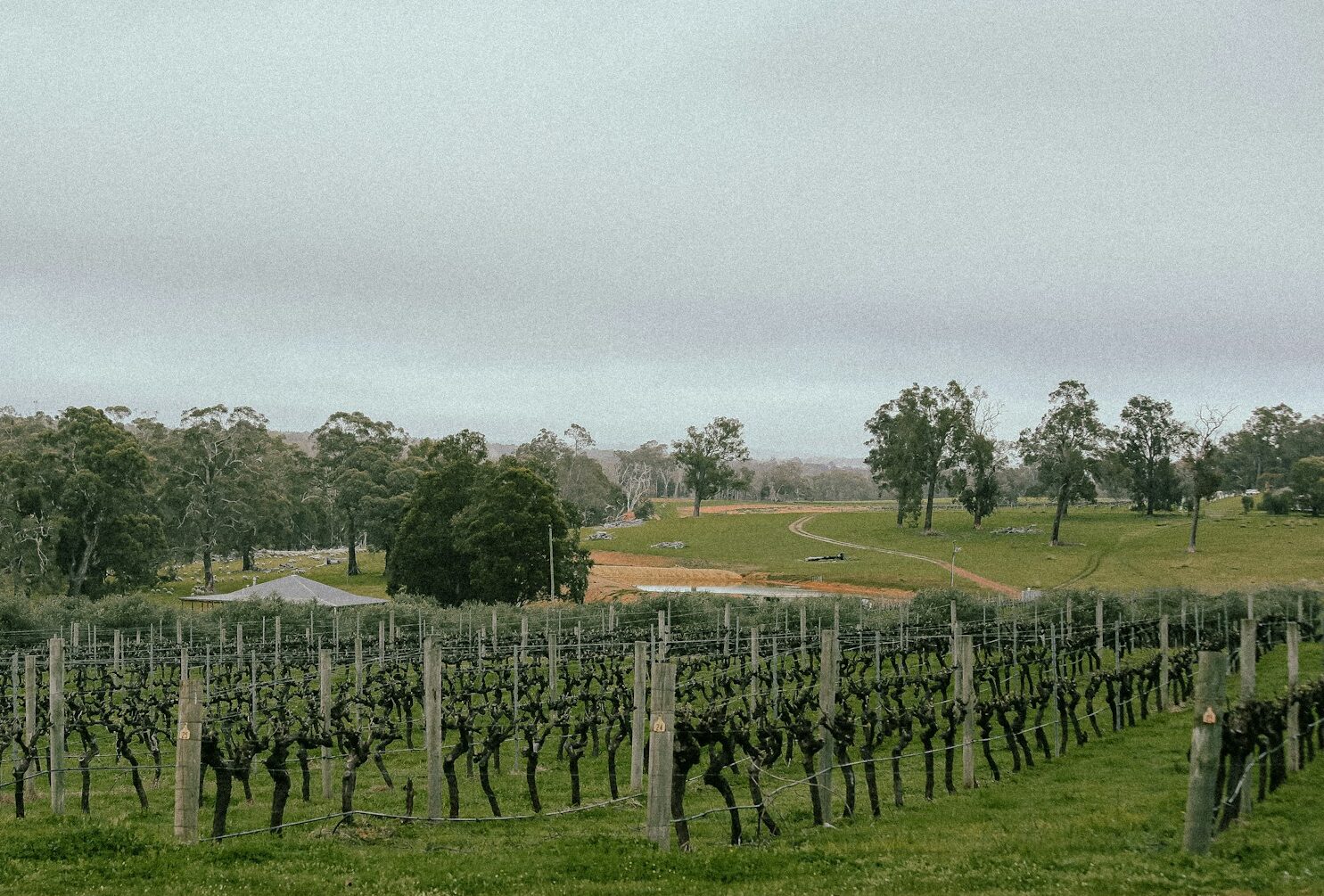
Australia produces enough food to feed more than 70 million, yet a single Cabinet decision in an unrelated portfolio can quietly undermine that strength.
Federal decision-making processes don’t systematically test how new policies affect the stability and affordability of food supply. The practical, immediate solution is to embed a mandatory national food security impact assessment (FSIA) into every Cabinet submission and new policy proposal.
Our regional partners and allies are no longer treating food as a commercial commodity; they are actively framing it as a sovereign capability in a national security context.
It’s clear from debates around the upcoming National Food Security Strategy that industry understands our vulnerability to disruption, given our concentrated processing capacity, reliance on imported inputs, tight labour markets and just-in-time logistics. These pressures are amplified by strategic contest, climate volatility and geo-economic fragmentation. Linking its agricultural sector to its defence apparatus last month, the United States is already treating its food system as a hard-power asset. Australia must apply the same pragmatism to its policy machinery, tailored to our own strategic circumstances.
We already have gender impact assessments, climate impact statements and regulatory impact statements that sharpen policy discipline, yet food security remains an implied outcome rather than an explicit test. A proposal can meet every fiscal and regulatory threshold while generating second- and third-order effects that weaken our productive capacity.
For example, a renewable energy zoning decision can remove prime agricultural land or fisheries from use without a structured requirement to quantify downstream production impacts. Water policy settings can satisfy environmental objectives while altering the viability of a food-production precinct. Migration or visa adjustments can streamline administrative systems while tightening seasonal labour supply. Each measure may succeed on its own terms. None is currently required to present an on-balance assessment of food system consequences.
An FSIA would integrate food security into Cabinet processes, making it a whole-of-government consideration. It would mandate sponsoring agencies to assess and articulate the net impact of their proposal on national food stability, affordability and availability.
The strategic rationale for this intervention is firmly anchored in Commonwealth law. Section 8 of the Security of Critical Infrastructure Act 2018 defines national security as encompassing economic and social stability. Food and grocery assets may be designated as critical infrastructure where disruption has serious consequences. International trade law similarly recognises a national security exception, including Article XXI of the General Agreement on Tariffs and Trade 1994. Open markets remain central to Australia’s prosperity, but where systemic vulnerabilities risk prejudicing national security interests, the government has both the authority and responsibility to act.
Markets alone cannot resolve collective-action problems. Companies prioritise efficiency and will not invest in national-scale redundancy or strategic reserves if competitors operate at lower cost. Government should intervene to assess systemic exposure across portfolios and jurisdictions and ensure proportionate mitigation where risks engage national security considerations.
An FSIA would have six pillars.
—Sovereign Industrial Capability would evaluate whether a proposal increased reliance on offshore processing or the supply of critical inputs. Metrics would include domestic value-added retention, import concentration and time-to-recovery in the event of an offshore supply disruption.
—Supply Chain Integrity would assess inventory cover, single points of failure in storage or distribution and exposure to constrained logistics corridors. Analysis would consider whether a policy inadvertently increases system fragility.
—Systemic Interdependency would map dependencies on electricity, fuel, digital networks and transport corridors, including backup capacity and cyber resilience.
—Critical Workforce would examine labour concentration, vacancy rates and reliance on temporary or migrant labour for high-consequence roles, alongside the operational impact of defined absenteeism thresholds.
—Social Affordability and Access would measure any retail price impacts, geographic distribution of supply and market concentration effects, ensuring that essential goods remain accessible to low-income, vulnerable and remote communities.
—Biosecurity and Biological Integrity would examine exposure to high-risk import pathways, surveillance capacity and the economic impact of plausible pest or disease incursions.
Agencies identifying risk would be required to outline concrete mitigation measures, responsible entities and indicative timeframes. The FSIA would conclude with an on-balance assessment stating whether a proposal strengthens, weakens or has a neutral effect on national food security.
Implementation doesn’t require a new bureaucracy, either. Alignment with the Cabinet Handbook and guidance by the Department of the Prime Minister and Cabinet would ensure integration into existing drafting and clearance processes. Agencies already prepare structured impact statements; the FSIA would simply extend disciplined analysis to underpin economic and social stability.
Embedding food security into Cabinet processes would demonstrate to producers, processors and trading partners that Australia treats its productive base as a core national capability. Reliable export performance depends on domestic resilience and Australia cannot afford to lag. Cross-portfolio decisions must be tested for second- and third-order effects before disruption forces reactive intervention. A mandatory FSIA is a low-cost, high-impact reform option that ensures our upcoming National Food Security Strategy becomes an operational doctrine, not just an aspiration.