
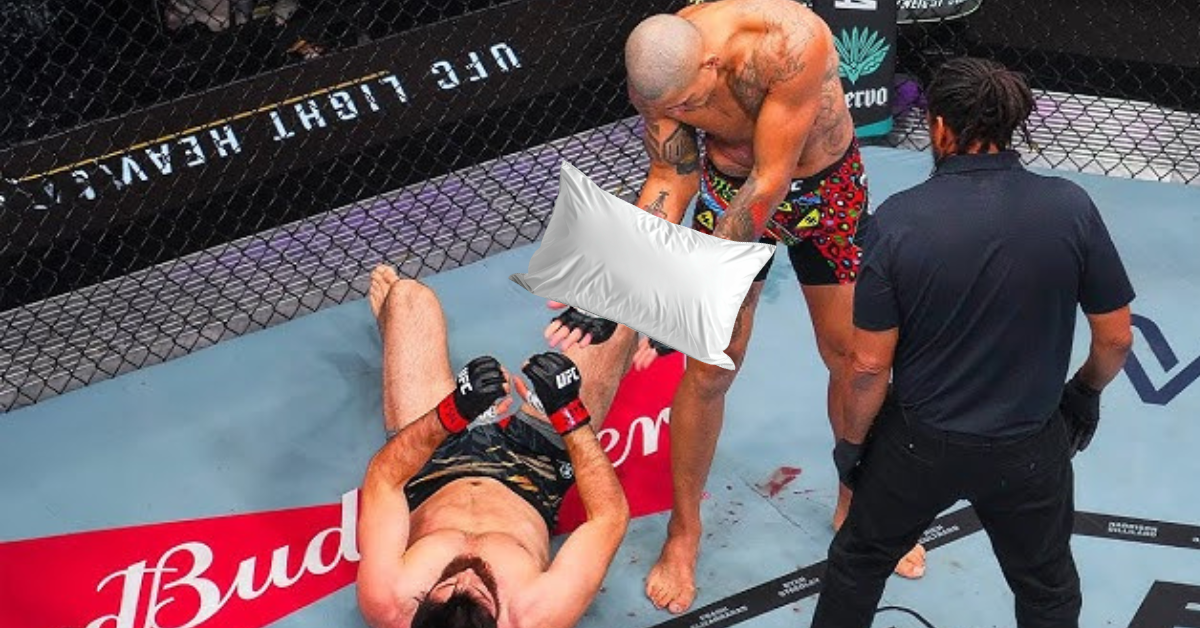
A nap could have major bewnefits on professional UFC athletes according to recent studies. Daytime napping is emerging as a low‑tech performance tool that could translate directly to sharper reactions, cleaner decision-making and better recovery for UFC athletes. While most research is in team sports and other disciplines, the mechanisms map closely onto the demands of high‑level MMA.
What the science says about naps and performance
A 2023 analysis in the British Journal of Sports Medicine reported that daytime naps between 30 and under 60 minutes improved both physical and cognitive performance in athletes, while also reducing perceived fatigue, after either a normal night’s sleep or partial sleep deprivation. The authors found the strongest effects when testing took place at least 60 minutes after waking from the nap, which helps avoid sleep inertia.
A narrative review on daytime napping in sport reported that mid‑day naps can either enhance or restore exercise performance and cognitive function, with added benefits for mood and perceptions of effort, although results differ between protocols and sports. In physically active individuals suggests that practical nap durations for athletes cluster between 25 and 90 minutes, with shorter naps often giving clearer immediate performance benefits.
Power naps, sprint work and decision speed
Experimental work in trained individuals shows that short naps can sharpen the type of high‑intensity outputs that matter in striking and scramble exchanges. A study of post‑lunch napping found that a 20‑minute nap improved repeated sprint performance, reaction time, mood and antioxidant status, and reduced sleepiness and markers of muscle damage compared with no nap, whereas a 90‑minute nap actually worsened repeated sprint performance and increased sleepiness.
In sleep‑deprived elite Kung Fu athletes, a 45‑minute afternoon nap improved decision accuracy by about 14% and reaction time by around 16%, with modest gains in vertical jump height, suggesting that cognitive recovery outpaced physical changes. This has direct relevance for UFC fighters navigating fast tactical choices under fatigue, from reading level changes to defending late submissions.
Agility, fatigue and timing the nap
A 2026 study in adolescent soccer players reported that a 45‑minute strategic nap improved agility performance and reduced perceived exertion, with some indications of faster best sprint times versus shorter naps. The authors pointed out that repeated‑sprint ability did not change consistently, but players felt sessions as less taxing after the longer nap.
Across studies, mid‑day naps are most often scheduled between about 12:30 and 16:50, with early‑afternoon windows particularly common, and testing usually occurs at least one hour after waking. This aligns with the natural post‑lunch dip in alertness, making naps easier to fall into without disturbing night‑time sleep when managed carefully.
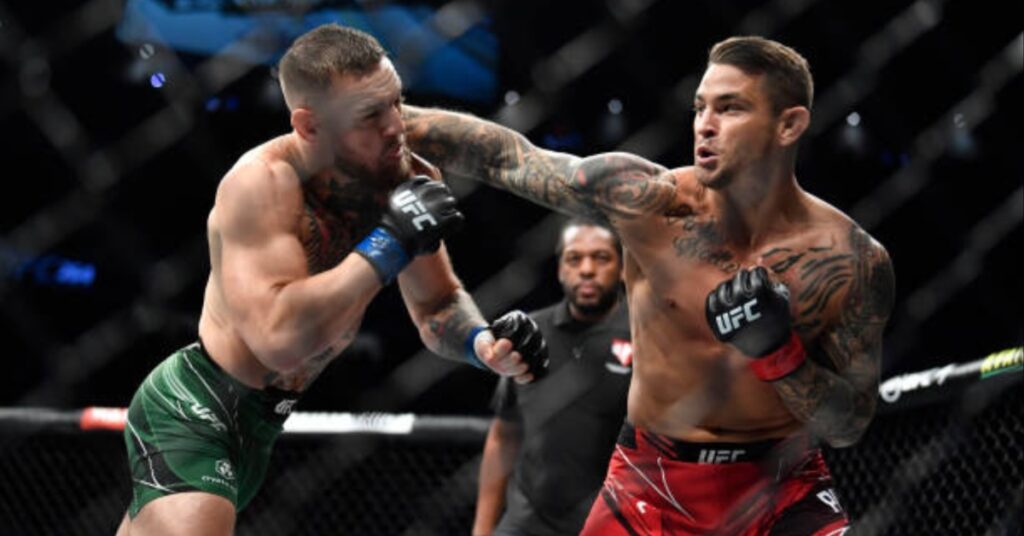 Mandatory Credit: Chris Unger – Zuffa LLC
Why this matters for UFC fighters
The workload around a UFC camp often pushes fighters into partial sleep restriction due to early media slots, late training and travel, which can blunt reaction time and increase perceived effort in sparring. Strategic naps offer a way to recover some of that lost sharpness without changing the main training schedule, particularly on double‑session days with hard grappling or conditioning in the afternoon.
For MMA, the most transferable findings are: short to moderate naps of 20–45 minutes, taken in the early afternoon and followed by at least 60 minutes before hard work, tend to support better sprint‑type output, cleaner decisions and lower fatigue ratings, especially when sleep the night before was cut short.
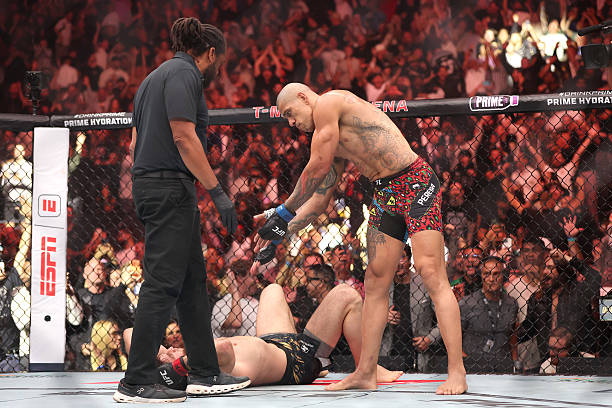 LAS VEGAS, NEVADA – OCTOBER 04: Alex Pereira of Brazil (R) defeates Magomed Ankalaev by TKO in the first round during a light heavyweight title bout in UFC 320: Ankalaev vs Pereira 2 at T-Mobile Arena on October 04, 2025 in Las Vegas, Nevada. (Photo by Sean M. Haffey/Getty Images)