
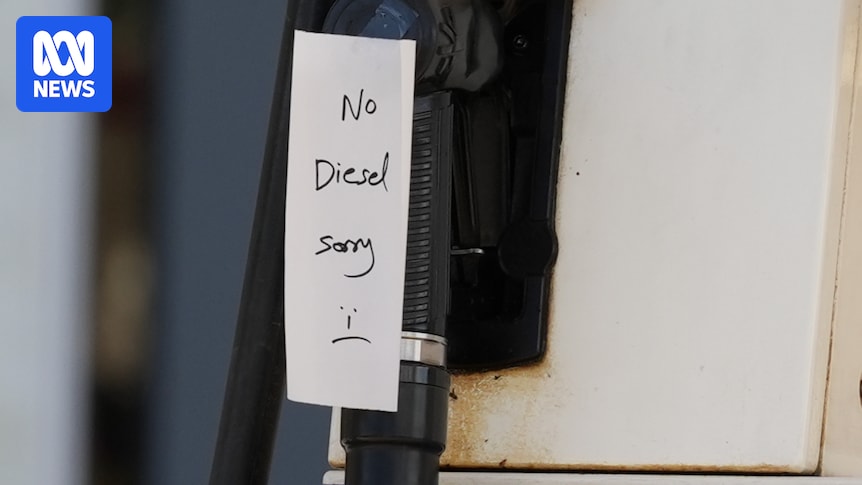
Australia is temporarily lowering standards for diesel to allow more supply into the domestic market as service stations across the country continue to experience localised shortages.
Energy Minister Chris Bowen today announced the standard for diesel had been adjusted for the next six months, which would bring more fuel into the system for farmers, truckers and regional communities.
Iran war live updates: For all the latest news on the war in the Middle East, read our blog.
He also confirmed the latest shortage data at local service stations, advising that in NSW there were 164 without diesel and 289 without at least one fuel type, out of more than 2,400 locations.
Each jurisdiction reports its shortages differently, with only some providing detail on the type of fuel that is unavailable.
No dieselAt least one fuel type unavailableNSW164289Victoria 162SA 46WA 6 No dieselNo regular unleadedQueensland5535Tasmania16NT00ACT00
Mr Bowen told Question Time in federal parliament that in Queensland there were 55 stations without diesel and 35 out of regular unleaded, while in Victoria there were 162 stations with one or more grades of fuel unavailable out of more than 1,600 locations.
In South Australia 46 stations out of about 700 had one or more types of fuel unavailable, Western Australia had six out of more than 770 stations with shortages, and in Tasmania one location had no diesel and six were without unleaded.
There were no shortages in the Northern Territory, although some areas have been impacted by flooding, and in the ACT there were no outages.
Australians urged to only buy fuel they ‘need’
The government has consistently urged Australians to only buy the fuel they need, but demand for diesel and petrol has soared since war in the Middle East sparked sharp price increases.
Mr Bowen said Australia had received all expected fuel shipments to date, but he has confirmed six deliveries were cancelled for April, with some of those replaced by alternate sources.
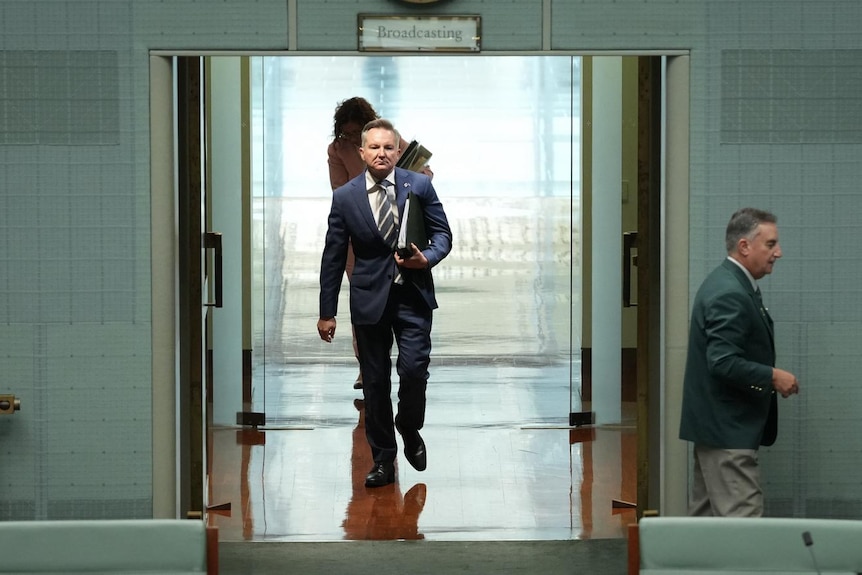
Chris Bowen has urged Australians to only buy fuel they need. (ABC News: Matt Roberts)
Reports of informal rationing, where service stations restrict customers to a maximum amount of fuel or prevent the filling of containers such as jerry cans, have also begun to emerge as regional areas grapple with shortages.
The Coalition used Question Time to grill Mr Bowen on the government’s response to the fuel crisis, asking him about comments from NSW Premier Chris Minns on the need for a “national approach” if restriction measures, such as rationing, were required.
Mr Bowen said states, territories and the Commonwealth had already agreed to work together on coordination measures over the “coming weeks and months”, pointing to the appointment of former energy regulator Anthea Harris to a new national fuel coordinator role as a first step.
Lower diesel standard will have ‘no impact’ on engines
In the meantime, Mr Bowen said the decision to lower the “flashpoint” for diesel from 61.5 to 60.5 degrees Celsius would increase supply options from refiners and international sources.
“In effect, Australian refineries will now have more flexibility for making diesel and widen the markets from which we source diesel, including from the United States, Canada and Europe which allow diesel with lower flashpoints,” he said.
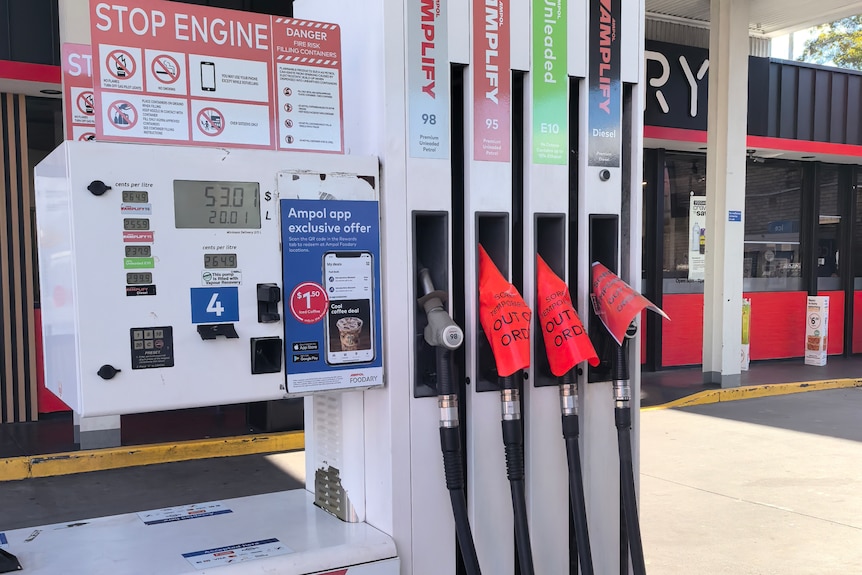
A petrol station out of fuel in Hornsby, NSW. (Supplied)
Mr Bowen said flashpoint changes would have “no impact” on engines or emissions, noting Australia typically had a slightly higher temperature standard due to the hotter climate.
He said the adjustment did not require any changes to storage or handling protocols.
Coalition starts website to collect fuel shortage reports
Seizing on community confusion, the Coalition launched a website called “no fuel here” to collect submissions from Australians about fuel shortages or informal rationing in their communities.
Nationals leader Matt Canavan said the platform was a direct response to the government’s “failure to acknowledge the depth of the crisis in regional areas”.
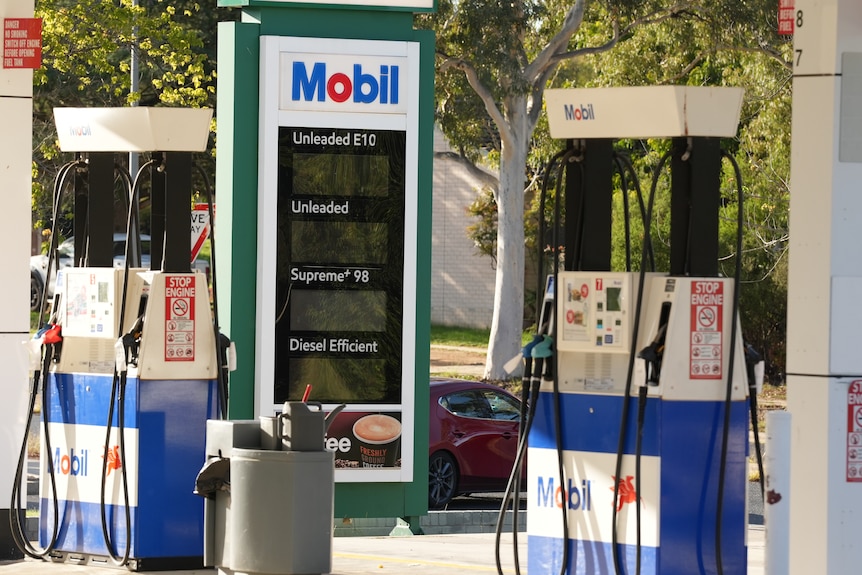
The Coalition has launched a website to collate data about fuel outages. (ABC News: Stuart Carnegie)
“The Albanese government keeps telling regional Australians there’s no problem, that fuel is flowing and reserves are holding,” Senator Canavan said.
“But that’s not what we’re hearing in our communities.”
Senator Canavan said Australians were lining up for $50 worth of petrol, farmers couldn’t secure diesel deliveries, and some towns were “running on fumes”.
“We launched www.nofuelhere.com.au because we believe regional Australians deserve to be heard,” he said.
“Every report submitted tells us where the crisis is real, where it’s urgent, and where the government needs to act.”
Call to unlock biofuels as backup supply
Shadow Transport Minister Bridget McKenzie said regional Australians did not have options such as public transport and many residents commuted long distances to work.
“Fuel is not a luxury, it’s a necessity,” she said.
Senator McKenzie has called on the government to put biofuels on the next national cabinet agenda as a potential practical way to mitigate fuel shocks sparked by overseas events.
“Alternative homegrown Australia biofuel, blended fuel, can help reduce this exposure, support national energy resilience and reduce emissions,” she said.
Yesterday the federal government announced it would change the Fair Work Act to protect truck drivers from spikes in fuel prices due to the war in the Middle East.
Employment and Workplace Relations Minister Amanda Rishworth said the amendments would ensure truckers and transport operators were “not left to worry about managing rising costs on their own”.
Asked about the possibility of reducing the fuel excise to relieve cost-of-living pressure on households, Treasurer Jim Chalmers said that was not under consideration at this time.
Loading…