
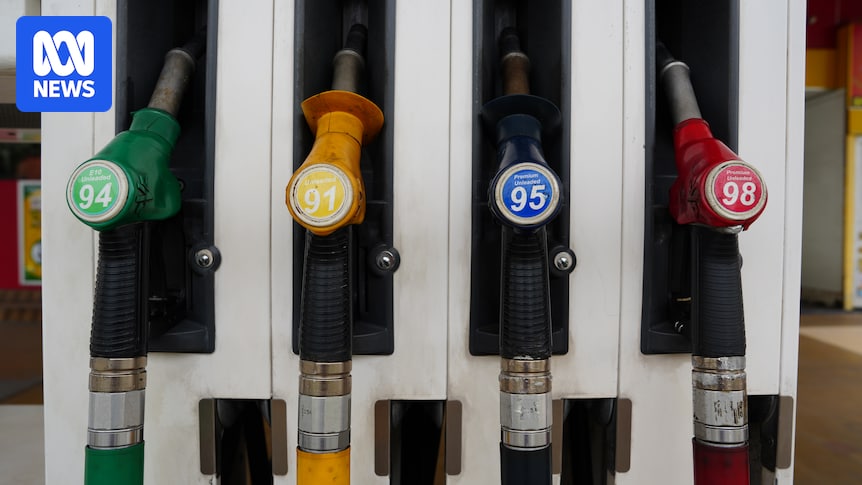
The effects of rising fuel prices and concerns about ongoing supply are being felt across the Tasmanian economy.
Tourism businesses are reporting cancellations as costs go up, and some tourists are choosing to avoid travelling to regional or far-flung places over fears they could become stranded if fuel runs out.
Loading…
“We’re definitely getting cancellations through Europe and the US,” Robert Pennicott from Pennicott Wilderness Journeys told ABC Radio Mornings.
Mr Pennicott said his business, which offered cruises in south-east Tasmania, relied on between 15 and 18 per cent international visitors.
But he said he remained optimistic about the domestic tourism market.
“As long as there is still a supply of fuel, I believe a lot more interstate people will be reluctant to travel to Europe and to areas that don’t feel safe … Tasmania [will be] looked at as being an incredibly safe destination.
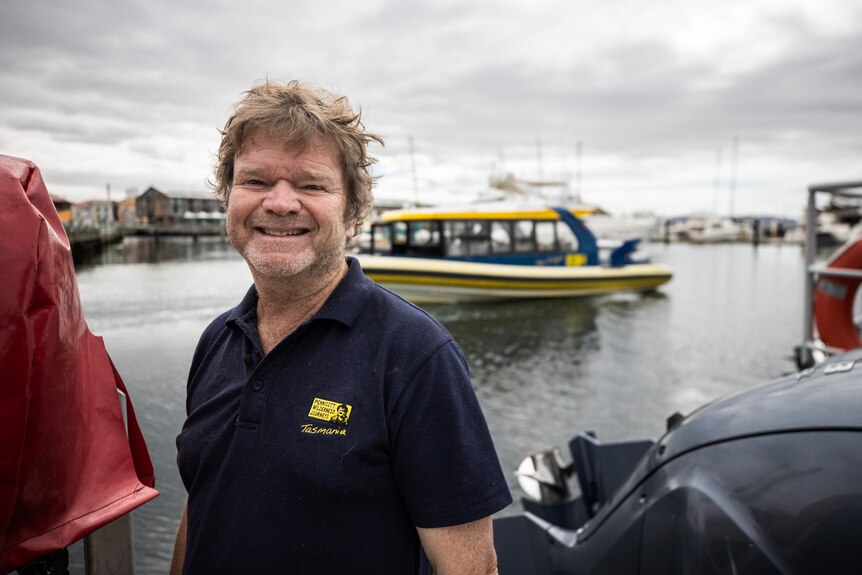
Robert Pennicott says some international tourists have cancelled their holidays. (ABC News: Luke Bowden)
Freight costs going up
Tasmanian shipping and transport logistics company SeaRoad has increased its fuel surcharge by 50 per cent on some of its services in response to the Middle East War, pushing up fuel prices and creating uncertainty over supply.
SeaRoad told its clients yesterday a surcharge of 39.94 per cent was being added to its logistics services from March 30.
“We do have a fuel surcharge, which goes up and down with the volatility of fuel, and unfortunately what’s happened over the last week or so, that surcharge has gone up around about 50 per cent,” SeaRoad chief executive Chas Kelly told ABC Radio Mornings.
For shipping clients, the surcharge is 21.47 per cent.
Last week, Tasmanian civil construction company Duggans said it was introducing a 9.5 per cent fuel surcharge on its transport and machinery services, excluding existing contracts.
Australia Post said today it would more than double fuel surcharges for 30,000 of its business customers from April 23.
Supply the main concern
Mr Kelly said the problem was not with fuel prices, but with fuel supply.
The dos and don’ts of fuel storage
“It’ll be whether the fuel’s available, and so that’s what we’re concentrating on — trying to conserve as much as we can.
“We’re monitoring all our depots, all our fuel at the moment … they were all full a week ago.
“So if we keep those in reasonable condition, we can see our way through a bit, but it does all depend on how long it goes.”
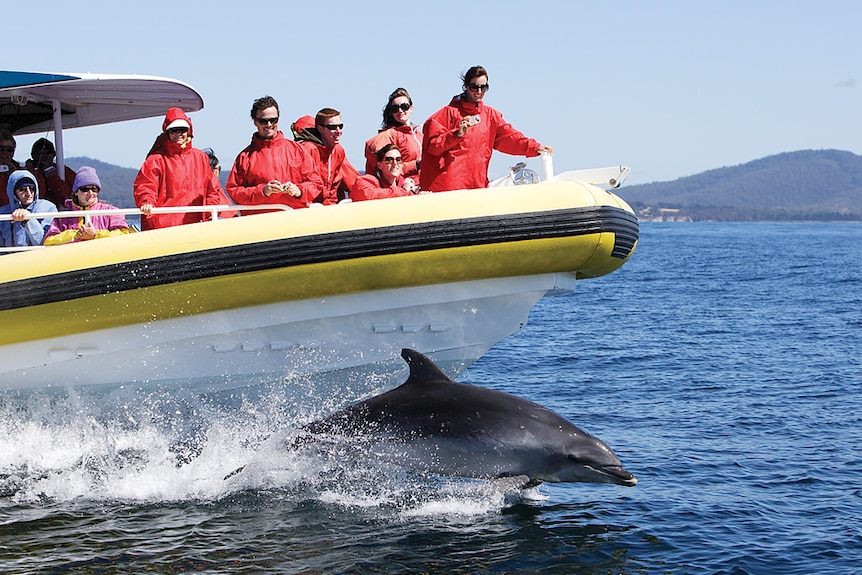
Robert Pennicott is concerned about fuel supply. (Supplied: Pennicott Wilderness Tours)
Mr Pennicott said his business “couldn’t survive if there was a stop in supply”.
“If either [fuel] tankers weren’t coming, or they were having to prioritise primary production rather than tourism, that’s where my concern is,” he said.
Service stations cannot keep up with demand
Some petrol stations in Tasmania have had their supplies temporarily emptied.
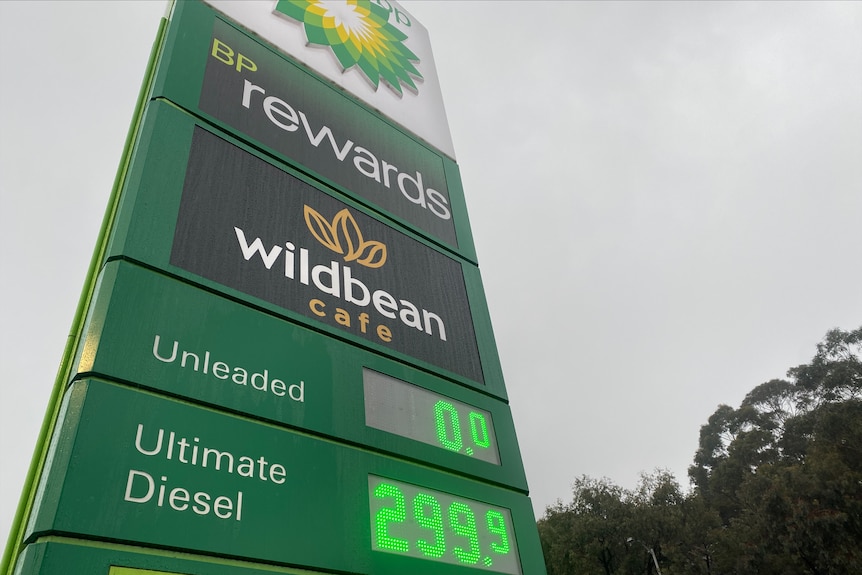
This Hobart service station ran out of standard unleaded on Monday, but had its supply restocked. (ABC News: Meg Whitfield)
The ABC is aware of three BP service stations around Hobart that ran out of standard unleaded fuel this afternoon.
The stations affected include Moonah, Lindisfarne and Margate.
The ABC spoke to two other service stations that were out of standard unleaded earlier today, but have since received supply.
Call to work from home
As Australians have faced rising prices at the bowser, Federal Energy Minister Chris Bowen suggested those who were able to work from home should do so to save fuel.
The Community and Public Sector Union has been pushing for greater flexibility for Tasmanian public sector workers to work from home.
“We know that it would help with the fuel crisis right now,” the union’s Tasmanian general secretary Thirza White said.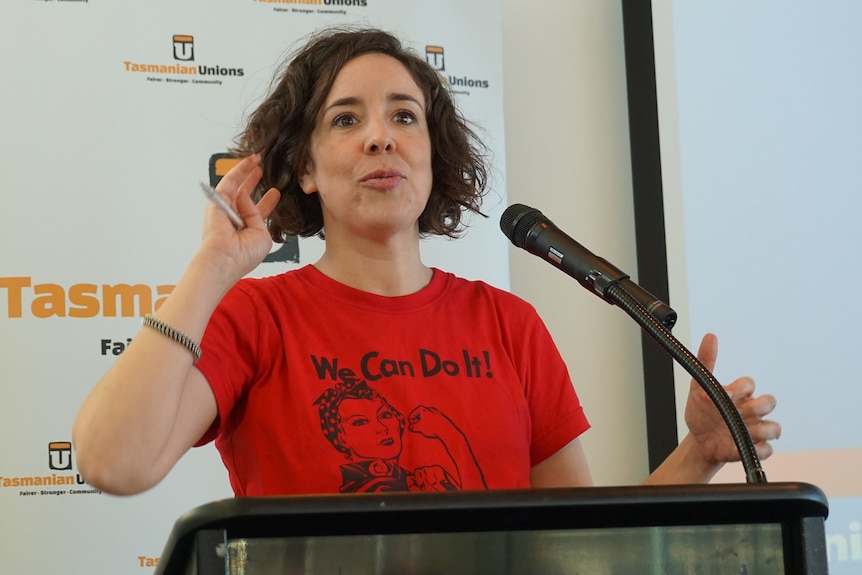
Thirza White says Tasmanian public servants should have more flexibility to work from home. (Supplied: CPSU Tasmania)
Asked in parliament whether the state government would give public servants greater flexibility to enable them to work from home, Premier Jeremy Rockliff said:
“I’m not aware of a directive as such, but of course employees in the public service can speak to their managers to arrange flexible working arrangements for them.”
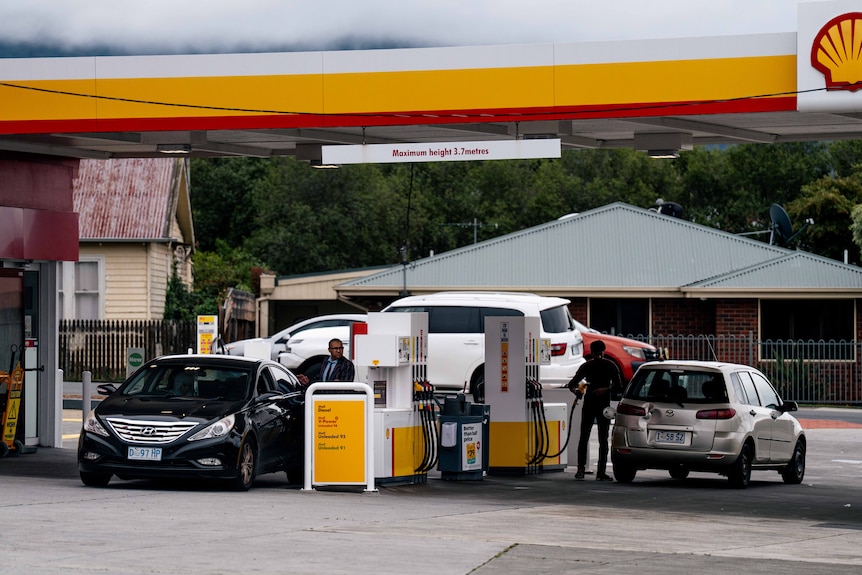
The increasing cost of fuel is being felt across the economy. (ABC News: Ebony ten Broeke)
The state government is calling on the federal government to cut the fuel excise, which Attorney-General Guy Barnett said would “provide Tasmanians with much-needed cost-of-living relief”.
The federal government last week relaxed fuel standards and today announced it was temporarily lowering diesel standards to increase supply.
Loading…