
Cases of canine ehrlichiosis have spread across northern Australia, with the disease now considered endemic in large parts of the country.
The tick-borne illness has been detected across Western Australia, the Northern Territory, northern and north-western Queensland, and into northern parts of South Australia.
Dr Karen Hedberg, Chair of the Dogs Australia Health and Wellbeing Committee, said this is a deadly disease, and all dog owners should be aware of this advancing threat.
“This is no longer a notifiable disease as the condition is now seen as endemic in these areas and the chance of eradication of this terrible disease has long gone. There is still a biosecurity obligation to take all reasonable steps if you suspect you have an infected dog to prevent further spread of this disease.”
Cases have been reported in every state except Tasmania. However, authorities note that cases identified in New South Wales and Victoria to date have involved dogs that had travelled from the Northern Territory. New restrictions have since been introduced for dogs entering Tasmania.
In Queensland, the number of affected areas has continued to grow. As of early 2026, cases have been reported across multiple northern and north-western districts, including Mt Isa, Townsville and Carpentaria.
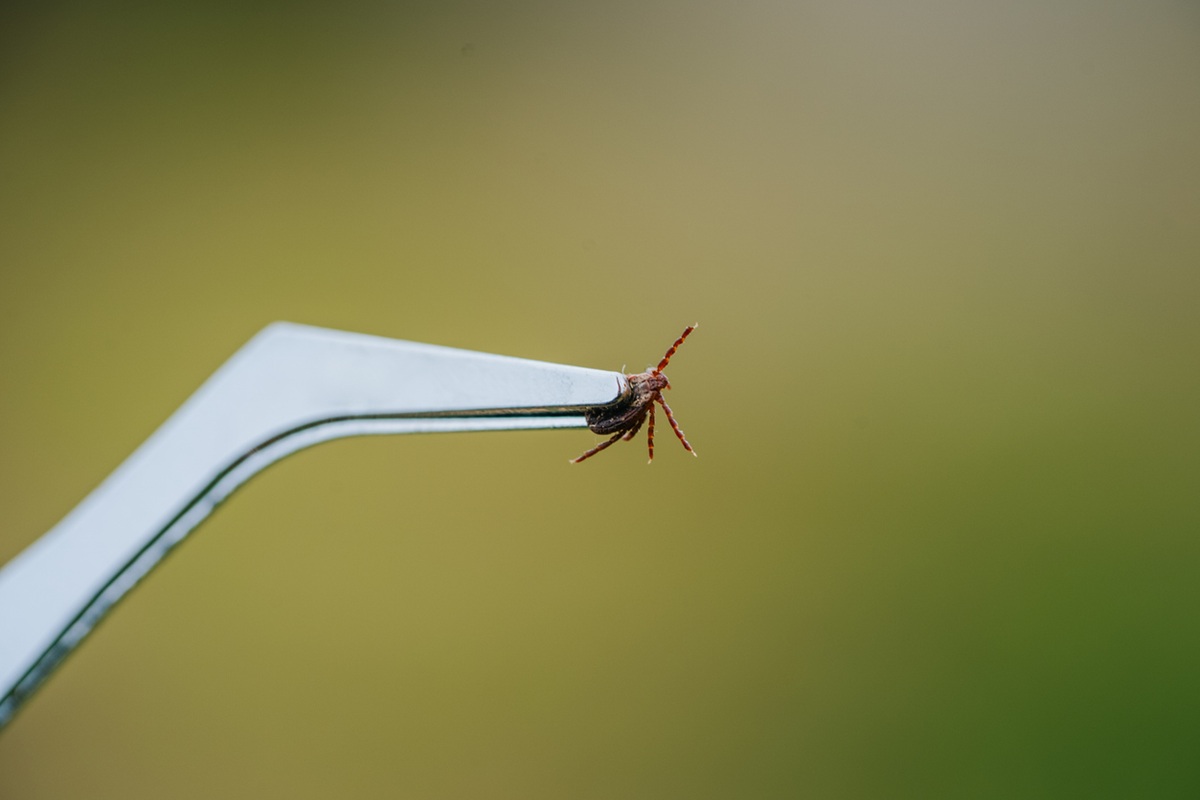
The disease is transmitted by the brown dog tick, which is widespread across northern Australia and present throughout Queensland. Dogs travelling through tick-infested regions — including northern New South Wales — may be at risk of infection.
“With increasing climate warming, this line may push ever southwards,” Dr Hedberg said.
Government agencies and state departments have published updated information on the disease, including guidance on diagnosis, treatment and prevention. Dog owners are being urged to consult official sources regularly, as the situation continues to evolve.
“I would strongly recommend that all owners regularly check their individual state’s information bases (usually the Department of Agriculture) for regular updates on this fairly rapidly moving situation.
“Check dates, recent updates are important to keep in mind as the most current information available of where the deadly disease is moving,” Dr Hedberg said.
To stay up to date on the latest industry headlines, sign up to the Pet Industry News e-newsletter.