
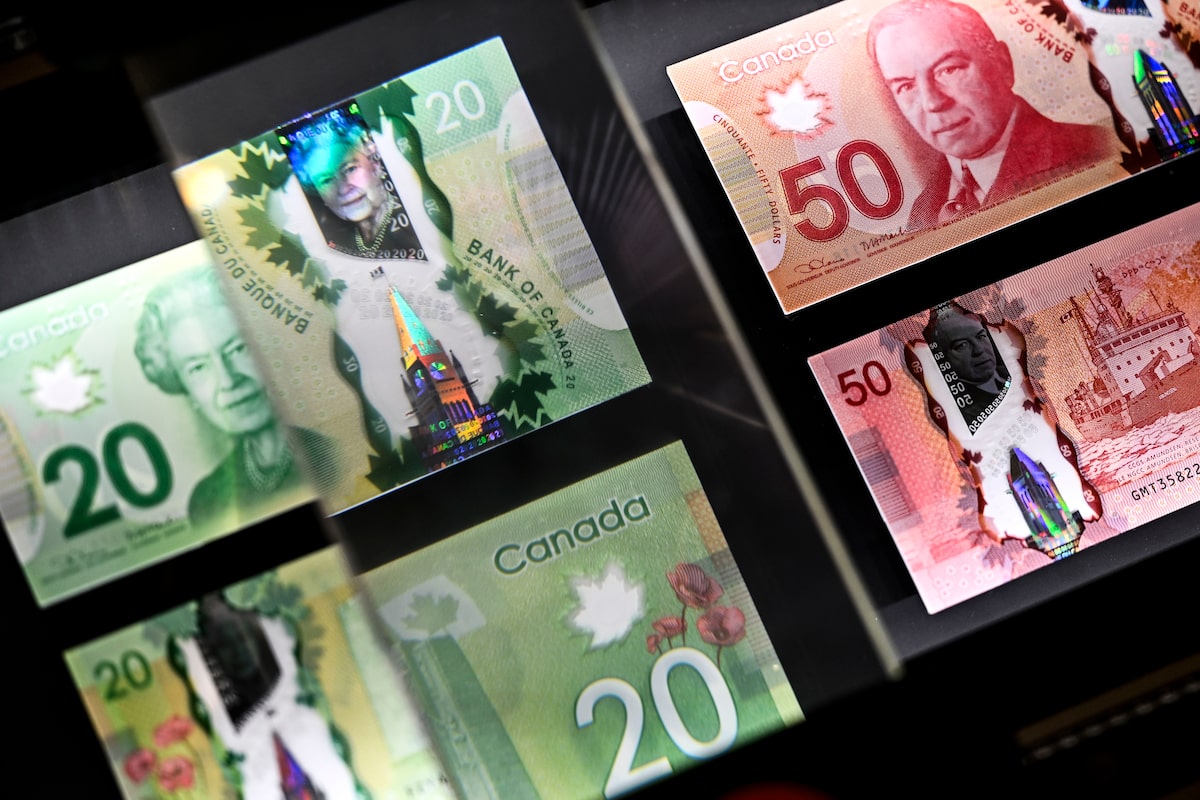
Leaning too heavily on cash can come with trade-offs that affect long-term financial security, financial planners say.Justin Tang/The Canadian Press
Even before the latest conflict in the Middle East began, Canadians were planning to cut back on discretionary spending in 2026.
Now, with higher oil prices and expectations that interest rate hikes could rise, financial planners say that more people are holding on to cash as a safety blanket.
But planners warn that leaning too heavily on cash can come with trade-offs that affect long-term financial security.
“Uncertainty is pushing Canadians to be more cautious, which can be healthy in the short-term, but staying too defensive for too long a period of time can hurt your long-term financial outcome,” said Simon Wong, a certified financial planner and head of financial planning at Blueprint Financial.
Home or retirement residence? What Canadians will really pay as they age
A survey conducted by TD Bank near the end of 2025 found that 67 per cent of Canadians planned to reduce spending in 2026, up from 51 per cent the year before. Recent data from RBC Economics suggests they are following through: While overall credit card spending modestly increased in February, RBC found consumers continued to scale back on discretionary purchases.
At the same time, Canadians are parking more money in cash. A report released this week by consulting firm McVay and Associates found that demand deposits – money held in savings and chequing accounts – grew 6 per cent year-over-year in January.
The report uses data collected from the Bank of Canada and individual bank results from the Office of the Superintendent of Financial Institutions.
Even as Canadians look to save more, many lack a clear plan for what that money is for. The TD survey found that only 36 per cent have a formal financial plan for 2026.
“This cautious behaviour is understandable, but it does have mixed long-term consequences,” Mr. Wong said.
On one hand, pulling back on discretionary spending can help people build stronger financial foundations. Households can save more, rely less on debt and build up cash buffers. But there are downsides if that caution goes too far.
Typically, if you’re holding on to cash without a clear purpose, such as a six-month emergency fund or for an upcoming large purchase, then you have too much, Mr. Wong said.
Hoarding cash can hurt your long-term growth as inflation will “quietly erode” the value of cash, Mr. Wong said. Staying on the sidelines can also mean missing out on investment opportunities.
“If you wait for certainty, you usually miss those early market rebounds, you miss on those lower asset prices, and you miss on compounding over time.”
Holding excess cash can also shape bigger financial decisions, Mr. Wong said. It can lead people to delay major milestones, such as buying a home, or avoid taking career risks they might otherwise be prepared for.
However, planners know many people, especially those nearing and in retirement, feel the need to keep cash on hand as a source of comfort. Even those with healthy nest eggs struggle to spend, fearing they will outlive their money.
Mr. Wong suggests a more balanced approach by maintaining a cash buffer for an emergency fund while continuing to invest, even if that means putting smaller amounts in the market.
Still, Canadians have historically kept too little cash on hand, so the recent shift could help correct that, said Colin White, a certified financial planner and chief executive officer of Verecan Capital Management.
“The average person doesn’t keep enough cash on hand. For some people, this is just getting them back to where they should have been all along, even if it’s for the wrong reasons,” Mr. White said.
The problem, he said, is when people hold on to cash while carrying higher-interest debt. “The number of people that are sitting with money in their chequing account but a balance on a line of credit would absolutely astound you.”