
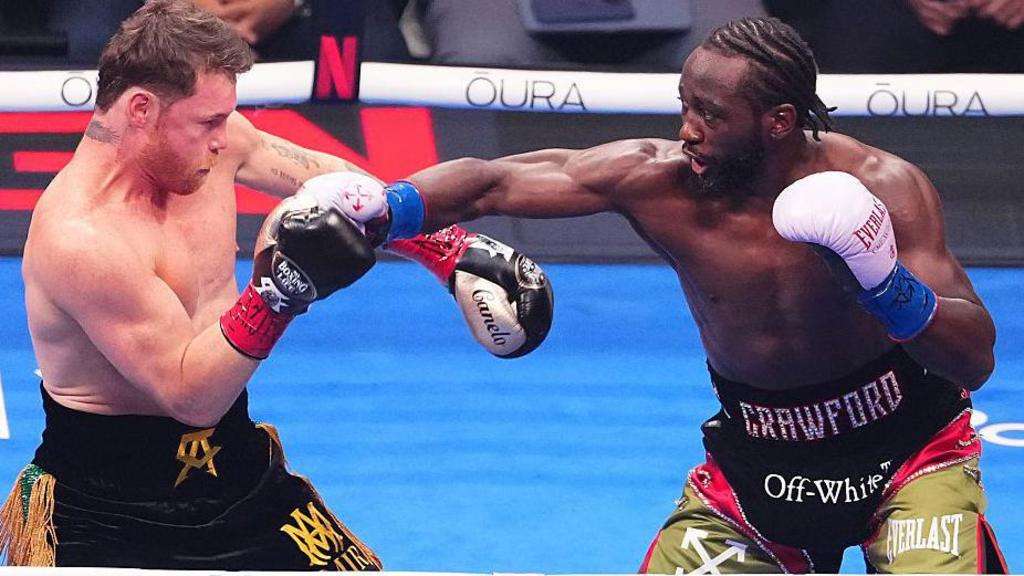

Image Courtesy: Zuffa Boxing / Netflix
The latest hurdle for the Muhammad Ali American Boxing Revival Act has been cleared by passing through the House of Representatives on Tuesday.
The bipartisan bill introduced by Congressman Brian Jack and Congresswoman Sharice Davids last year seeks to carve several key provisions for boxing promoters and allow them to circumvent the existing Muhammad Ali Act by forming Unified Boxing Organizations or “UBO”.
Under the UBO model, promoters would be allowed to sign fighters to exclusive contracts, control their rankings and championships, and not be forced to disclose financial information with their fighters. This would be akin to the UFC’s method of operations, where it isn’t subject to a sanctioning organization and has allowed the promotion to use contracts heavily favoring the promoter, which are often very difficult to get out of, while controlling both the belts and who fights for them.
The bill was significantly backed by TKO, which launched Zuffa Boxing and is working with the Saudi Arabian group SELA in the venture.
Top Rank promoter Bob Arum opposed the bill, stating, “A UBO is not prohibited from entering coercive contracts with fighters, is not required to provide financial disclosures to fighters, and is not subject to the rule establishing a firewall between managers and promoters.”
It also allows for a floor that each boxer would make a minimum of $200 per round fought, along with new minimums for health coverage and further emphasis on drug testing.
Tuesday’s vote required two-thirds of the House to vote in favor of the bill, which was achieved and sends the bill to the Senate where it will need sixty votes to be sent to President Donald Trump to sign the bill into law.
Additional reading:
– The Muhammad Ali American Boxing Revival Act offers the worst of boxing and MMA by John Nash (Uncrowned)