
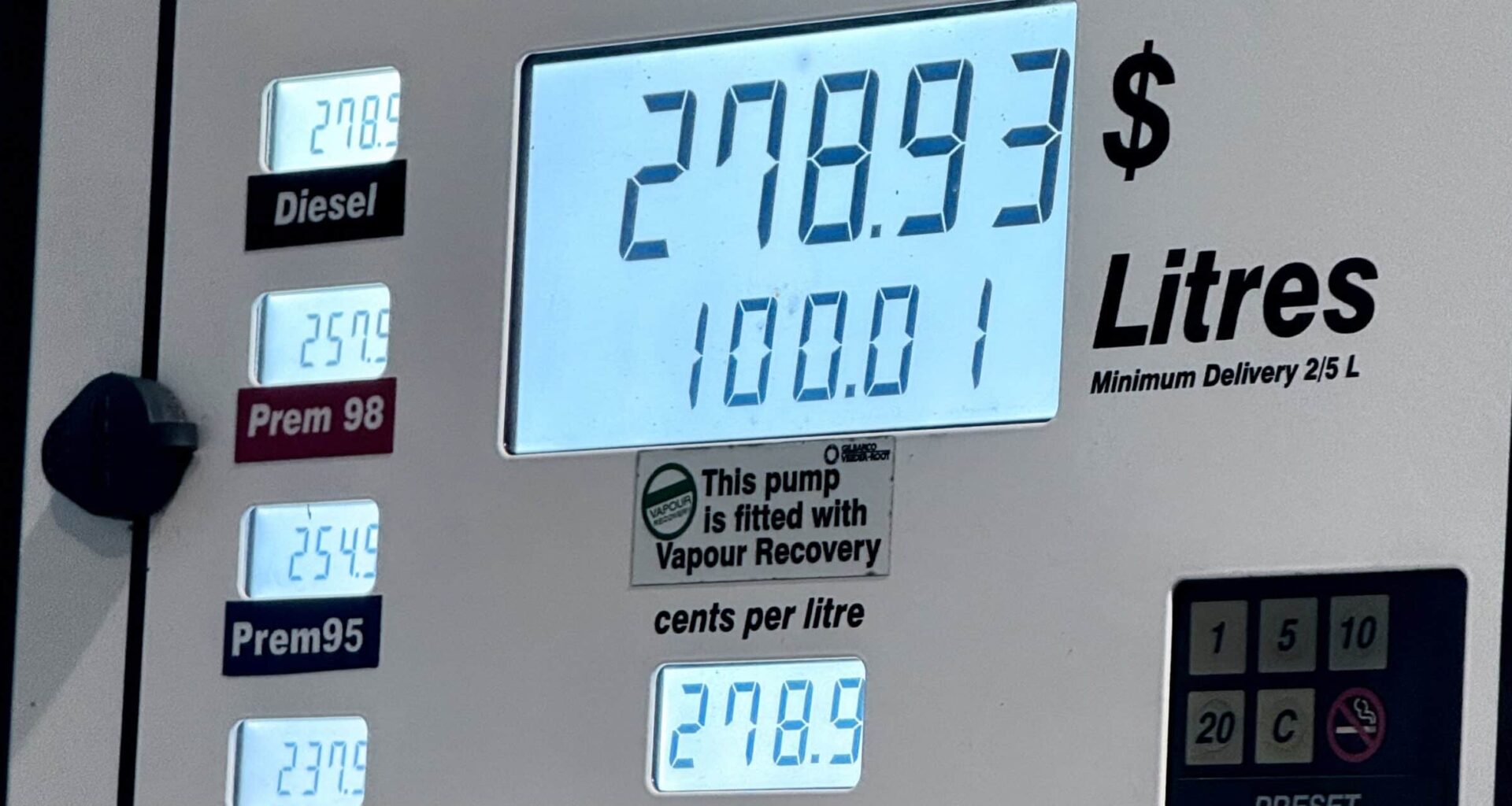
Australians are feeling the squeeze from every direction with interest rates recently rising, supermarket prices continuing to climb, frightening freight costs, building materials going up and transport costs – from delivery surcharges to the family fuel bill – compounding cost of living pressures.
With unleaded petrol sitting between $2.40 and $2.50 a litre in many parts of the country, and diesel pushing $3.00, a hot topic at local bike shops across Australia is the two-wheeled travel alternative.
In The Loop spoke to bike retailers in Sydney and Brisbane to gauge the mood on the ground.
Chris from Omafiets in Sydney’s inner west said the connection between the current surge in fuel prices and in-store foot traffic is unmistakable.
“We’ve definitely had customers over the last couple of weeks who’ve explicitly said that high petrol prices are the reason they’re purchasing a bicycle or e-bike,” he told us.
More foot traffic
“There’s been a lot of interest in family e-bikes and commuting bikes, which for many people can replace many of the car trips in their everyday life. Our workshop is always busy, but we’ve seen an increase in enquiries from people who haven’t ridden their bike for a while.”
Chris acknowledged the broader economic ripple effect.
“Petrol price rises can have knock-on effects for industries like freight — which haven’t moved to electric vehicles as quickly as perhaps they should have — which will add costs to the bike industry as well as to everything else. But overall, high petrol prices are a nudge for people to reconsider how much they need to be driving, especially in the dense inner Sydney suburbs.”
On Sydney’s northern beaches, Michael from CycleSpot in Mona Vale echoed the sentiment. The northern beaches remain one of the city’s more underserved areas for cycling infrastructure, yet Michael said interest has picked up noticeably in recent weeks.
“I’ve actually got a customer in here asking about it now,” he told In The Loop when we spoke last Friday. “Lots of people are coming in asking about alternatives, particularly about electric bikes.”
Brisbane, regarded as one of Australia’s stronger cities for commuter cycling infrastructure, is well placed to absorb a shift away from cars. John Pittendreigh of Epic Cycles in Paddington said he hadn’t noticed a dramatic uptick just yet, but sees cargo bikes as a category worth watching.
“Families are definitely feeling the financial pinch and cost of living,” he said. “The most significant category this may affect is cargo bikes — families opting to use, particularly electric cargo bikes.”
He also raised an uncomfortable reality.
“The other area that might be doing well is the illegal e-bike market. There are thousands of them out there — I’d imagine strong sales of those types of bikes are continuing, but owners need to consider the risks of owning an illegal bike.”
“Overall, I hope this situation does help local bike shops,” he added, “I think the industry has been a little slow over recent months due to the rising cost of living.”
Rising transport costs
According to Australian Automobile Association (AAA) data, the average Australian household — including a couple with two children — spends about $459 per week on car-running costs, with loan repayments and fuel accounting for more than two-thirds of that amount.
For capital city residents, that figure climbs even higher, averaging $477.92 per week. Sydney bears the heaviest burden at $567.03 weekly, while Hobart remains the nation’s most affordable at $419.86. Those costs encompass leases and repayments, insurance, servicing, tyres, registration, and, of course, fuel, which has risen dramatically over the past four weeks.
With first-quarter 2026 figures not yet released, the full impact of the current fuel crisis has yet to be officially tallied, but the numbers are bound to eclipse the $500 and $600 marks.
Perhaps the final word belongs to the man in charge of the nation’s purse strings.
“The war will make things harder for Australians,” Treasurer Jim Chalmers told reporters in Canberra on Wednesday.
“We know that inflation was already too high in our economy, and the conflict in the Middle East will push inflation higher for longer.”
For many Australians crunching the numbers, the logic of ditching four wheels for two has never been more compelling. And, considering a decent bike could be purchased in lieu of just two, three or four weeks of vehicle operating costs, it’s clear that the humble bicycle is the best option out there.
Not a member of Bicycle Network?