
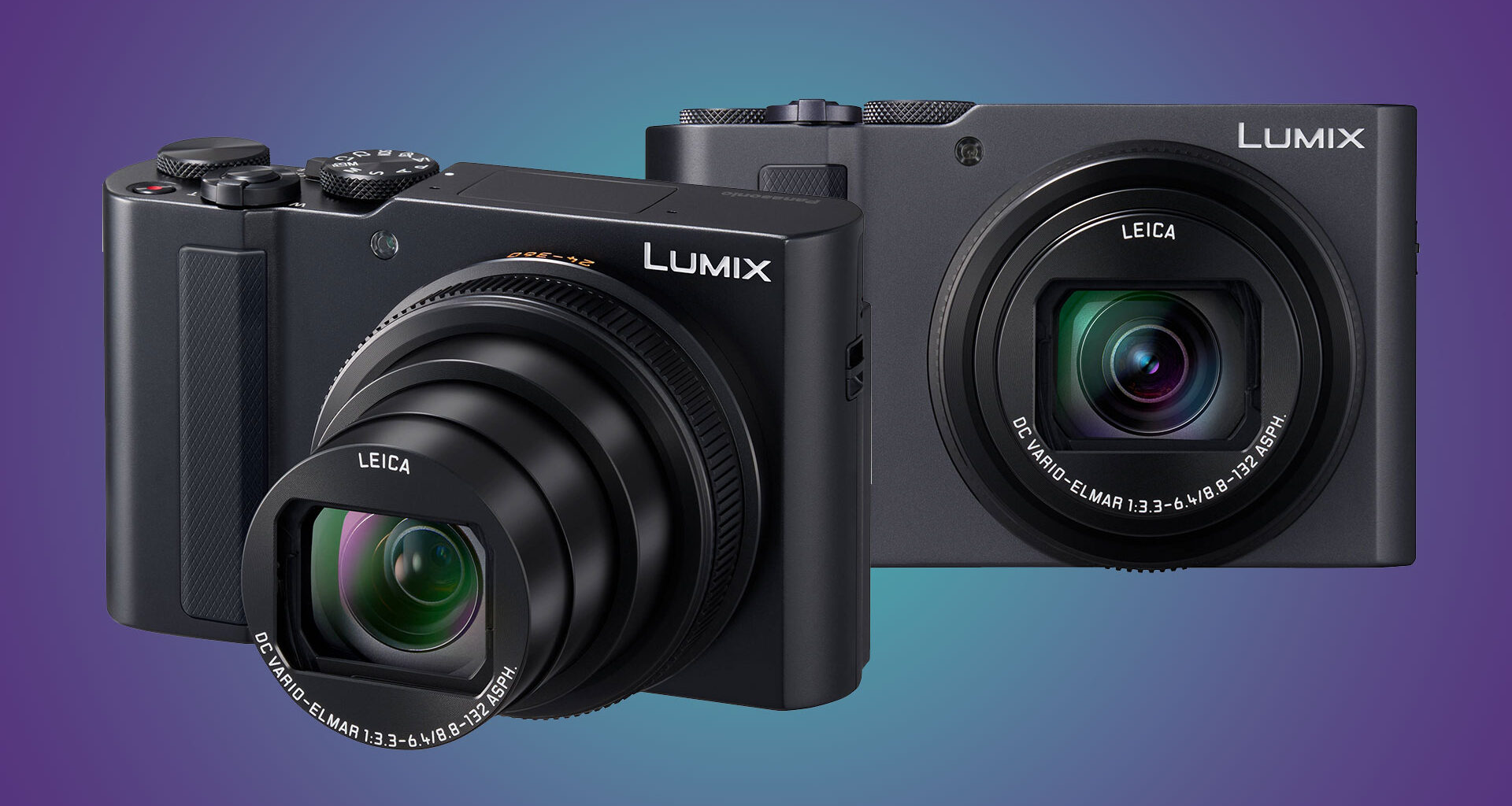
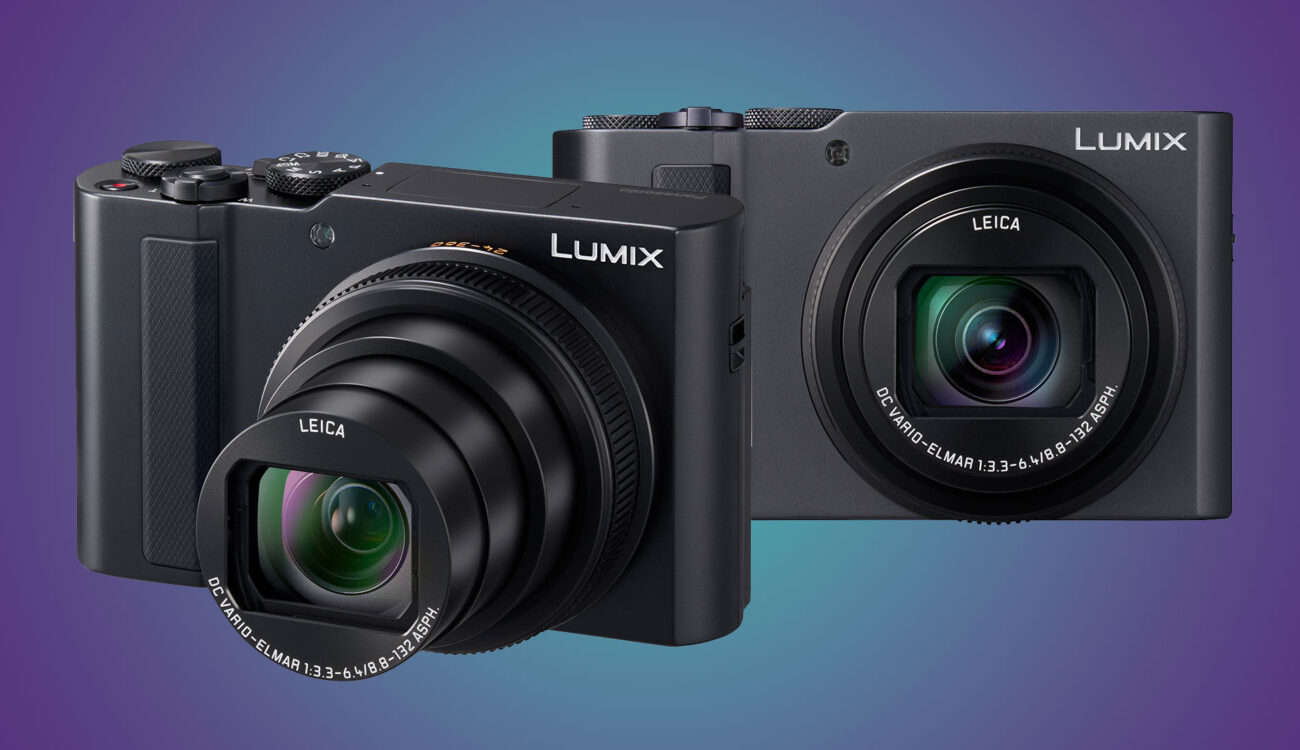
The Panasonic LUMIX TZ300 (sold as ZS300 in some regions) is a compact travel zoom camera built around a 20.1MP 1-inch sensor and a Leica 15x lens (24–360mm equivalent, f/3.3–6.4), combining portability with a broad focal range. It supports UHD 4K video up to 30 fps and includes Panasonic’s 4K Photo mode for high-speed still extraction. The camera offers both mechanical and electronic shutter options, 5-axis image stabilization, and RAW capture, along with Wi-Fi/Bluetooth connectivity and USB-C charging. Unlike its predecessor, the 2018 LUMIX TZ200, the new TZ300 doesn’t have a viewfinder. The camera can now be preordered for $897.99
In line with the recent “renaissance” of compact point-and-shoot cameras, Panasonic announced a new compact camera model. The TZ300 (also branded as ZS300 in some countries, such as the USA) is a successor to the travel-friendly superzoom TZ200 announced in 2018. Let’s take a quick look at the features and specs of this new pocketable superzoom.
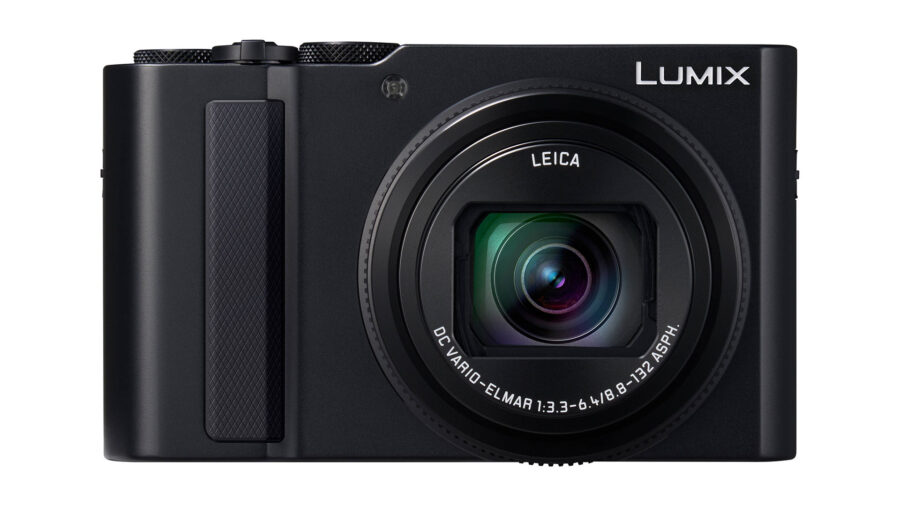 LUMIX TZ300 (ZS300) camera. Source: PanasonicPanasonic LUMIX TZ300 (ZS300)
At the core of the LUMIX TZ300 is a 20.1-megapixel 1-inch-type BSI CMOS sensor. On paper, these are the same specs as the TZ200. Panasonic incorporates 5-axis Hybrid Optical Image Stabilization (O.I.S.), designed to reduce camera shake during handheld shooting, particularly at longer focal lengths or slower shutter speeds.
The camera supports RAW and JPEG capture, allowing for both ready-to-use images and more flexible post-processing workflows. Its native ISO range of 80–6400 provides a usable sensitivity span for a variety of lighting conditions.
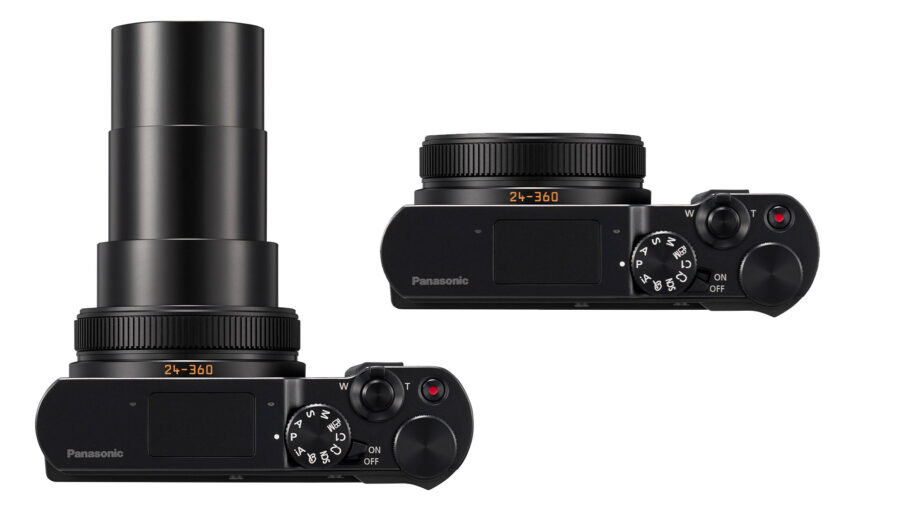 LUMIX TZ300 (ZS300) camera in transport mode versus fully extended lens. Source: PanasonicLeica 15x optical zoom lens
Perhaps the most interesting feature of the new TZ300 is its lens. The camera features a Leica DC Vario-Elmar lens with a 15x optical zoom, equivalent to approximately 24–360mm in full-frame terms. This focal range covers wide-angle to telephoto perspectives within a single fixed lens system. It is impressive to me that a camera with such a lens can still fit in an average-sized pocket when tucked away with the camera turned off. Naturally, it needs to be extended for operation.
The lens has a maximum aperture of f/3.3–6.4 and is constructed from 13 elements in 11 groups, reflecting the design trade-offs typical of compact superzoom systems. The included optical stabilization system should enable handheld shooting even at the long end, according to Panasonic.
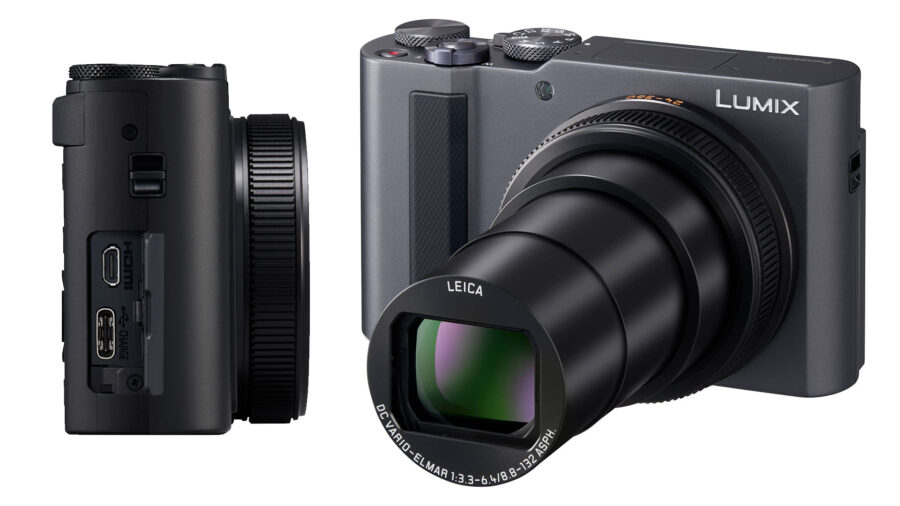 LUMIX TZ300 (ZS300) camera. Source: PanasonicVideo and high-speed shooting features
The TZ300 supports UHD 4K video recording (3840×2160) at up to 30 fps, along with Full HD recording up to 60 fps. A 15-minute recording limit applies to 4K capture, and the videos are only available in MP4 8-bit format.
In addition to standard video recording, the camera includes Panasonic’s 4K Photo mode, which captures image sequences at up to 30 frames per second and allows individual frames to be extracted as still images. Shutter options include a mechanical shutter with speeds from 1/2000 to 60 seconds, and an electronic shutter reaching up to 1/16000 of a second.
The camera also includes a macro mode with a minimum focusing distance of approximately 3 cm, allowing close-up shooting without additional accessories.
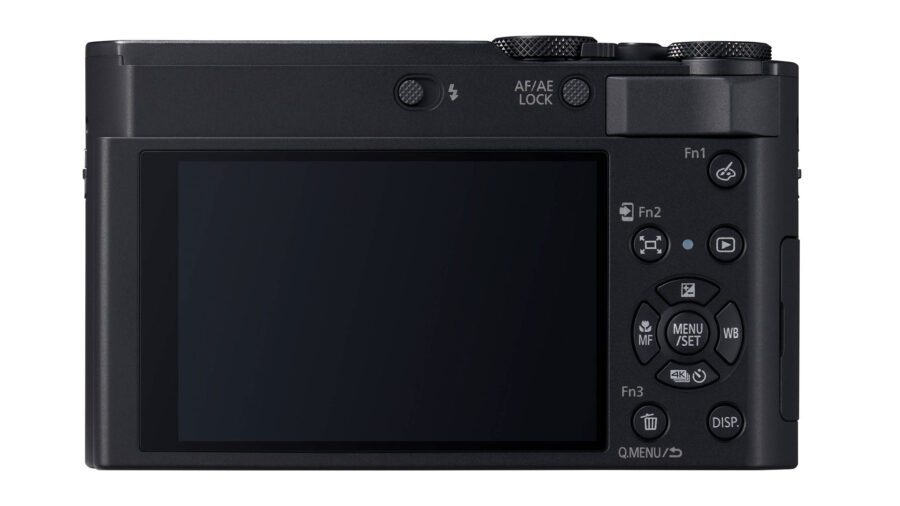 LUMIX TZ300 (ZS300) back side. Source: PanasonicHandling, storage, and connectivity
The TZ300 is equipped with a 1.84-million-dot touchscreen display that supports direct control and image review. Storage is handled via a single SD/SDHC/SDXC card slot (UHS-I compatible). As I mentioned earlier, Panasonic decided to remove the EVF that was found on the previous model, the TZ200. I suppose the company decided to target primarily users coming from phones who might never have used an EVF. I am pretty sure, however, the lack of EVF will be a deal-breaker for quite a few people.
Connectivity features include Wi-Fi and Bluetooth, enabling remote control and wireless image transfer through Panasonic’s mobile app. The camera also uses USB-C for charging and data transfer. Last but not least, there is a micro HDMI port for image output.
Battery life is rated at approximately 360 shots per charge, and the camera weighs around 295g (10.4 oz) including battery and memory card, with dimensions of roughly 111×66×45mm (4.37×2.60×1.77 inches). That is a truly pocketable size, but I find it unfortunate that Panasonic did not add a tilting screen to the camera.
Price and availability
The LUMIX TZ300 camera has been announced, with preorders available now. The price has been set at $897.99, and you can get the camera in either black or silver (more of a space grey).
Do you use compact “point-and-shoot” cameras? What do you think about the new LUMIX TZ300? Let us know your thoughts in the comments section underneath the article.