
More than 9,000 kilometers away, in Accra, architect, academic, and writer Lesley Lokko founded the African Futures Institute, an educational and critical thinking platform dedicated to envisioning African futures from within the continent itself. From its beginnings, the African Futures Institute has expanded its reach into curatorial practice and the organization of exhibitions, consolidating its international reputation through its participation in the 2023 Venice Architecture Biennale. This institution recognizes that, on the youngest and fastest-urbanizing continent on the planet, it is urgent to rethink how architects and urban planners are trained—not only for Africa’s future, but with the understanding that this future impacts the entire world.
This African educational organization is establishing itself as a platform for imagining African futures from within the continent itself, placing issues such as decolonization, climate change, migration, and social justice at the center. In its vision, architecture is the capacity to imagine and build futures in which regeneration and social justice are interwoven, turning utopia into a living practice, a collective process, and the act of rewriting the present.

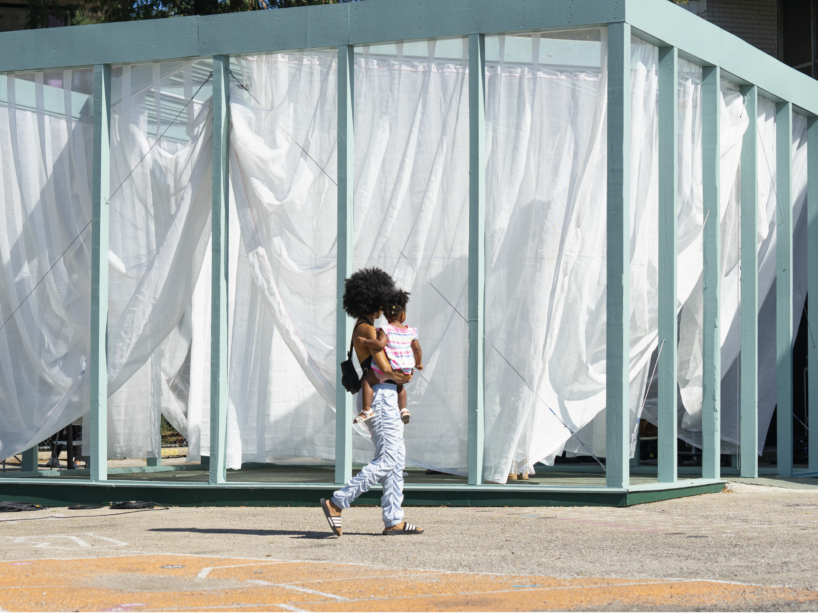
exhibition image from Mugak/ Biennial 2025 | image by Mikel Blasco

lesley lokko at the opening of Mugak/ Biennial 2025 | image by Mikel Blasco
The Threshold: meeting point between utopia and dystopia
Between the promise of a better future and the fear of its oppressive drift, the thin line that separates utopia from dystopia becomes fertile ground for architectural and social imagination. That intermediate space, where the ideal merges with the precarious and the collective with the provisional, reveals the fragility of our ways of living.
Inverted Tents, by architect Aristide Antonas, embodies this ambiguity: beds suspended in abandoned buildings invert domestic logic, freeing up floor space for communal life and the creation of new bonds. But that same gesture that promises community also evokes the precariousness of shelter, the echo of ruin, and contemporary vulnerability. Antonas’s project emerged in Athens between 2010 and 2012, a period marked by economic collapse and the proliferation of functional ruins. Its aim is not to reinforce individual autonomy, but to generate conditions for collective practices and encounters. The project also connects with the idea of the “empty university,” proposing to bring together immigrant and local students in shared environments—not as a substitute for housing for the poor, but as an experiment in coexistence based on contingency and the reuse of existing infrastructures.
In that unresolved tension between utopia and dystopia, a field of reflection opens about how to imagine the common without denying the instability that sustains it. It is at once a critique of the inaccessibility of housing and an exercise that oscillates between utopia—imagining alternative modes of coexistence—and dystopia—through its inevitable evocation of refugee camps and other conflicts, recalling the harshness of forced displacement and contemporary precariousness.
Today, largely overtaken by the surrounding reality, utopias seem to have fallen into disrepute. The prevailing pragmatism limits the space for imagining better futures. An absence that is full of danger, because, as the French philosopher and anthropologist Paul Ricoeur warns, ‘a society without utopia is a society without purpose, a society without direction.’
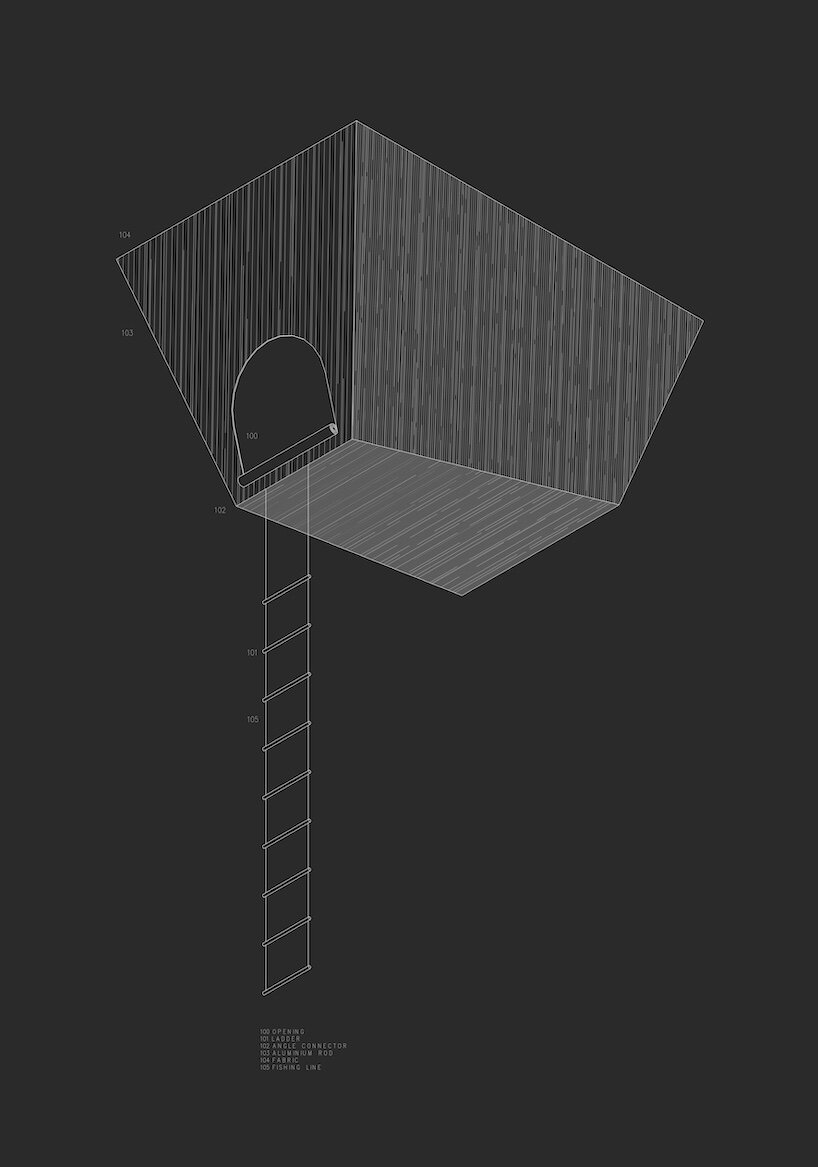
Inverted Tents | image courtesy of Aristide Antonas

exhibition image of ‘Inverted Tents’ by Aristide Antonas | image by Mikel Blasco
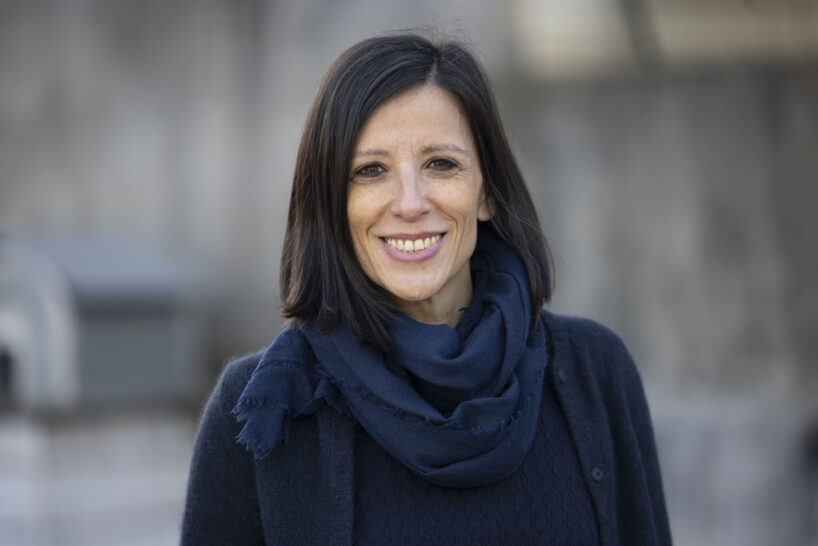
Maria Arana Zubiate | image by Olga Ruiz
Maria Arana Zubiate is an architect, researcher, and curator. She is a Founding Partner of Urbanbat, a social initiative cooperative dedicated to research and the production of critical culture on urban transformations. She has curated programmes for Azkuna Zentroa-Alhóndiga Bilbao, the Spanish Ministry of Culture, and has been Co-Director for 14 years of URBANBATfest, Bilbao’s annual festival of architecture, urbanism, and social innovation. Currently, she is the Curator of the Mugak/ Basque Country International Architecture Biennial.
This guest essay is part of designboom’s Utopia: Then and Now chapter, examining utopia’s role in the past, present and future as a way of envisioning a better way of being. Explore more related stories here.