
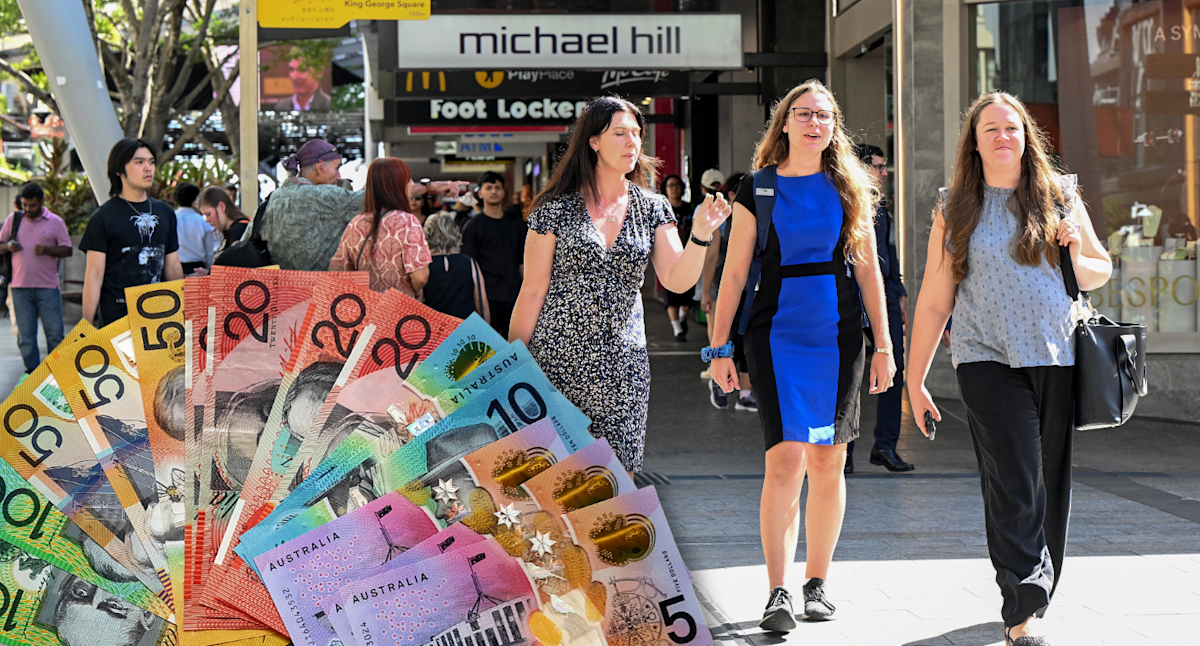
 The concessional contributions cap is set to increase from $30,000 to $32,500 from July 1. (Source: AAP/Getty)
Superannuation contribution caps are set to increase for the first time in two years from July 1. The change means Aussies will be able to contribute more money into their super before facing tax implications.
Recent weekly earnings data is set to trigger an increase to the concessional contributions cap. From July 1, it is set to increase from $30,000 to $32,500 a year, while the non-concessional contribution cap is expected to increase from $120,000 to $130,000 a year.
Viridian Advisory senior financial adviser Josef Jindra told Yahoo Finance the increases would be the most useful for middle-income earners.
RELATED
“An extra $2,500 of concessional cap may not sound huge, but in practice it gives more breathing room for employer super contributions, salary sacrifice, and year-end deductible top-ups,” he said.
“That is particularly relevant as compulsory super contributions continue to consume more of the concessional cap over time.”
Concessional contributions are pre-tax payments, including the 12 per cent super guarantee and extra contributions such as through salary sacrificing or personal contributions where you claim a tax deduction.
Non-concessional contributions are after-tax payments to your super fund. The cap is four times the concessional contributions cap.
Under the bring-forward rules, Aussies under the age of 75 will also be able to make non-concessional contributions of up to $390,000, provided they meet the total super balance thresholds.
Restrictions apply when your total super balance hits the general transfer balance cap, which the ATO has confirmed will increase from $2 million to $2.1 million on July 1.
Jindra said the changes created planning opportunities for Aussies in their 50s, 60s and early 70s.
“Older Australians have far more scope than before to contribute later in life, whether from surplus cash flow, an inheritance, business sale proceeds, or by rebalancing wealth outside super into the concessionally taxed super environment,” he said.
“In many cases, this also opens the door to equalising balances between spouses, improving long-term tax efficiency, and reducing death benefit tax exposure for adult children.
“The downsizer contribution remains a major planning tool as well, with up to $300,000 per eligible person available from the sale of a qualifying home.”
Super downsizer contributions don’t count towards either of the contribution caps.
 Financial adviser Josef Jindra said the changes would give Aussies a bit more room to contribute to super. (Source: Supplied)
For low-income earners, Jindra said the cap increase wouldn’t be “life-changing”. He recommended that these Aussies instead check their entitlement for the government’s co-contribution and the LISTO.
Low to middle-income earners who make an after-tax super contribution may be eligible for a matching contribution from the government of up to $500. Meanwhile, the LISTO is set to increase from $500 to $810 from 2027, with the income threshold also going up.
For high-income earners, Jindra said many would already be caught by the Division 293 tax, which reduces the tax advantage of concessional contributions once your income gets above a certain threshold.
The new Division 296 superannuation tax laws will also come into effect from July 1. It will increase the tax rate on earnings to 30 per cent for balances exceeding $3 million, and 40 per cent for those exceeding $10 million.
“These cap increases are a reminder that superannuation remains one of the most tax-effective structures available to Australians, but the people who benefit most are usually the ones who plan ahead,” Jindra said.
“Low-income earners benefit most from making sure they are not missing offsets and incentives.
“Middle-income earners benefit most from disciplined salary sacrifice and smart use of deductible or after-tax contributions.
“High-income earners benefit most from sophisticated balance management, tax modelling and structural planning across both super and non-super environments.”
Get the latest Yahoo Finance news – follow us on Facebook, LinkedIn and Instagram.