
Home » Airline News In Australia » Thousands of Passengers Stuck in Australia and New Zealand as Qantas, Virgin Australia, Jetstar, Air New Zealand and More Airlines Face 112 Cancellations and 1,454 Delays in Sydney, Melbourne, Brisbane, Auckland and More
Published on
March 28, 2026
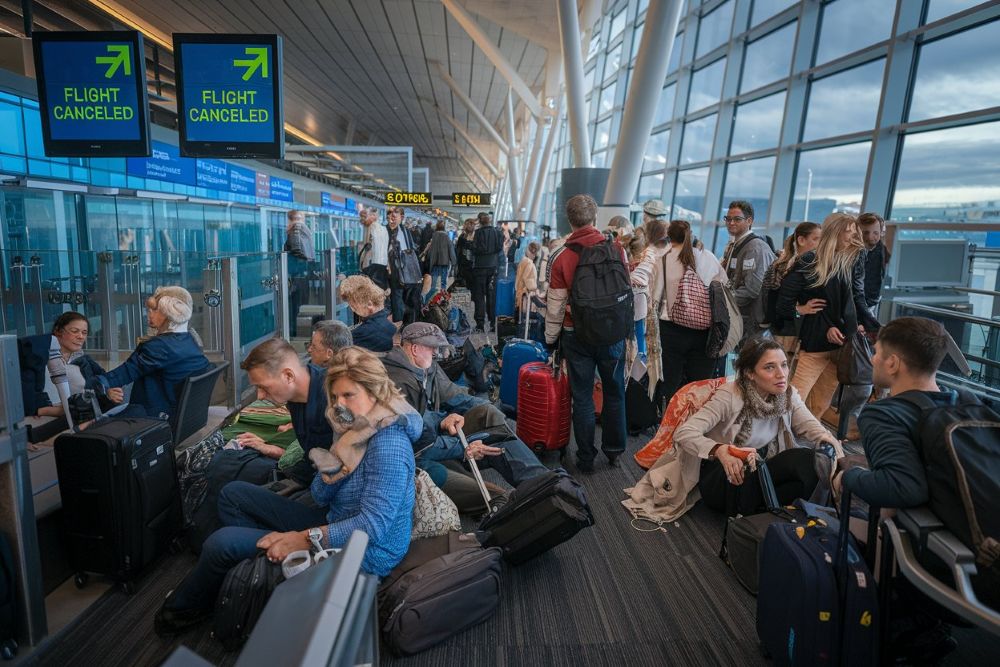
Image generated with Ai
Thousands of passengers are currently stranded across Australia and New Zealand as major airlines, including Qantas, Virgin Australia, Jetstar, and Air New Zealand, face severe disruptions. With 112 cancellations and 1,454 delays, the chaos has affected major airports in Sydney, Melbourne, Brisbane, and Auckland. The widespread disruptions are causing frustration for travelers who were hoping to fly in and out of these busy hubs. As the weather continues to wreak havoc, flights have been grounded, leaving thousands of passengers scrambling for alternate arrangements. In Sydney, Melbourne, Brisbane, and Auckland, the disruptions have been felt most acutely, with hundreds of flights delayed and canceled.
Severe weather continues to impact Australia and New Zealand, with airports and airlines in both countries grappling with widespread cancellations and delays. A combination of storm surges, gale-force winds, and a cold snap has created havoc, leaving thousands of travelers stranded or delayed.
Severe Weather Causes Widespread Travel Disruptions Across Australia and New ZealandMassive Swells and Gale Force Winds Hit Sydney and Surrounding Areas
Overnight, massive swells pummeled the coastline south of Sydney, particularly at Cronulla, where huge waves soaked unsuspecting early risers and caused significant damage to the beachfront. The high tide, combined with a vigorous coastal low offshore, resulted in storm surges and powerful seas, with winds reaching speeds of up to 85 km/h along the New South Wales (NSW) coast. The Bureau of Meteorology issued a hazardous surf warning for the entire NSW coast, urging people to avoid activities such as rock fishing, swimming, and boating in these perilous conditions.
The strong southerly winds and powerful surf have caused widespread disruptions along the coast, particularly impacting flight schedules at Sydney Airport. On Friday, more than 50 domestic flights were cancelled due to the dangerous weather, further exacerbating travel woes. While the number of cancellations on Saturday was lower, travelers remain cautious of potential further impacts as the storm system continues to move east into the Tasman Sea, weakening as the day progresses.
Flight Cancellations and Delays at Sydney Airport Due to Hazardous Weather
Sydney Airport, one of Australia’s busiest travel hubs, was severely impacted by the wild weather. As storm surges slammed the coastline, disruptions at the airport resulted in the cancellation of dozens of flights on Friday. The chaotic conditions were exacerbated by the hazardous surf and winds, causing flight delays and cancellations to ripple across the airport’s operations. Though the number of cancellations has reduced on Saturday, travelers are advised to keep an eye on weather updates for any potential rescheduling.
The severe conditions have caused major headaches for passengers trying to navigate through the stormy skies, and the effects are likely to continue throughout the weekend as the weather system moves along the coast.
Advertisement
Advertisement
Cold Snap and Snow Impact Regions Across Eastern Australia
In addition to the hazardous surf and storm surges, the cold snap associated with the low-pressure system has brought freezing temperatures to large parts of eastern Australia. Brisbane’s temperatures plummeted to 14°C, marking a significant drop of six degrees from the previous days. Meanwhile, Melburnians woke up to wet, overcast conditions, with the cold snap affecting local residents and businesses across the region.
NSW ski resorts, which had seen unseasonably early snowfalls earlier this week, are also grappling with the weather’s fallout. The cold snap has placed farmers on alert, with warnings issued that livestock such as lambs and sheep exposed to the cold could perish from the freezing conditions.
Tropical Cyclone Narelle Causes More Disruptions in Western Australia
While the eastern states grapple with a wintry mix of weather, Western Australia (WA) has not been immune to the disruptions. Tropical Cyclone Narelle, which had been tracking along the state’s coast, made landfall overnight, bringing heavy rains and flooding. Perth, which recorded its wettest March day in over 90 years, faced severe flooding, causing significant damage and travel disruptions.
The tropical cyclone’s arrival has compounded the already difficult weather situation, adding yet another layer of complexity for both travelers and residents. While the storm has moved inland by Saturday morning, Perth and other areas in WA are still experiencing the lingering effects of the cyclone, with ongoing heavy rain and disruptions to road networks.
Airports and Airlines Most Affected in Australia and New Zealand
The weather system’s impact has been felt most acutely across Australia, with Sydney (SYD), Melbourne Tullamarine (MEL), and Brisbane (BNE) seeing the highest levels of disruption. In Sydney, severe storm surges, high winds, and hazardous surf conditions forced a significant number of domestic flights to be canceled. Melbourne Tullamarine and Brisbane were also severely affected, with widespread delays hampering normal operations.
Among the airlines, Qantas faced notable disruptions, with 11 cancellations (2% of its schedule) and 175 delays, accounting for 40% of its operations. Virgin Australia saw 11 cancellations (2%) and 223 delays, a staggering 58% of its total flights. Jetstar, another major airline, reported 13 cancellations (3%) and 172 delays (42%). Smaller carriers like Network Aviation also faced some disruptions, albeit to a lesser extent, with 3 cancellations (5%) and 17 delays.
Meanwhile, New Zealand’s Air New Zealand experienced fewer issues but still faced its share of disruptions. With 13 cancellations (3%) and 118 delays (28%), the airline felt the effects of the storm, particularly in key hubs such as Auckland (AKL).
Impact on Airports, Cities, and Passengers
Sydney, Melbourne, and Brisbane airports were hit hardest, with thousands of travelers affected by delays and cancellations. Sydney, being a major international hub, saw the most severe impact, while Melbourne and Brisbane experienced significant delays due to ongoing storm conditions and disruptions to air traffic. Auckland, New Zealand’s largest airport, also struggled with its operations, though the disruptions here were less severe compared to those in Australia.
This situation has left many travelers in limbo, particularly those planning to fly to or from Australia and New Zealand. These disruptions have created a ripple effect across both countries, with long delays and cancellations causing frustration for passengers on both domestic and international routes.
What Affected Passengers Can Do Now
Passengers caught in the chaos are advised to take several steps to manage the situation:
Check Flight Status Regularly: Travelers should monitor their flight status through their airline’s app or website for real-time updates on cancellations and delays.Rebooking and Alternative Options: If your flight is delayed or canceled, contact your airline immediately to explore rebooking options. Many airlines are offering alternative routes or travel dates for affected passengers.Stay Informed on Weather Updates: The hazardous weather conditions may persist, so passengers should remain updated on the latest weather alerts and flight operations. Airlines are providing frequent updates through official channels.Prepare for Delays: Passengers should arrive early at the airport and prepare for longer wait times. It’s essential to stay comfortable and plan for potential extended delays due to the ongoing storm system.Seek Compensation: If your flight is delayed for a significant amount of time, inquire about compensation options, such as travel vouchers, food, or hotel accommodations, depending on the duration of the delay and the airline’s policy.Conclusion: Ongoing Impact of Weather Disruptions
The severe weather system affecting Australia and New Zealand is showing no signs of letting up. With major airports like Sydney, Melbourne, and Auckland facing continued disruptions, travelers should expect ongoing delays and cancellations through the weekend. Airlines are doing their best to manage the situation, but passengers should be prepared for a challenging travel experience and stay informed for any changes. The cold snap and storm surges have made travel conditions extremely hazardous, and it’s crucial to stay flexible and prepared for possible rebooking or significant delays.
Source: FlightAware
Advertisement
Advertisement
