
“All the drop-down tabs have gone away,” she said.
“There’s that slight mourning – gosh, if I’d known this 40, 50 years ago, would I have gone through all the stuff that I went through? Maybe it would have made my high school years easier because, you know, I did have a lot of mental health struggles.”
Before the diagnosis, she told the Australian Women’s Weekly she would put herself in situations that she didn’t actually want to be in.
“I don’t really like crowds, I don’t like crowd noise. I don’t like being out in public to a certain extent.
“To an extent, it’s the job I’ve got,” she said. “You put on a happy face and go, ‘No no, it’s fine’. Inside you’re saying, ‘Urgh’ and recoiling. Even though I seemed to be outgoing as a young kid, I actually preferred being in the bush and hiding myself away.”
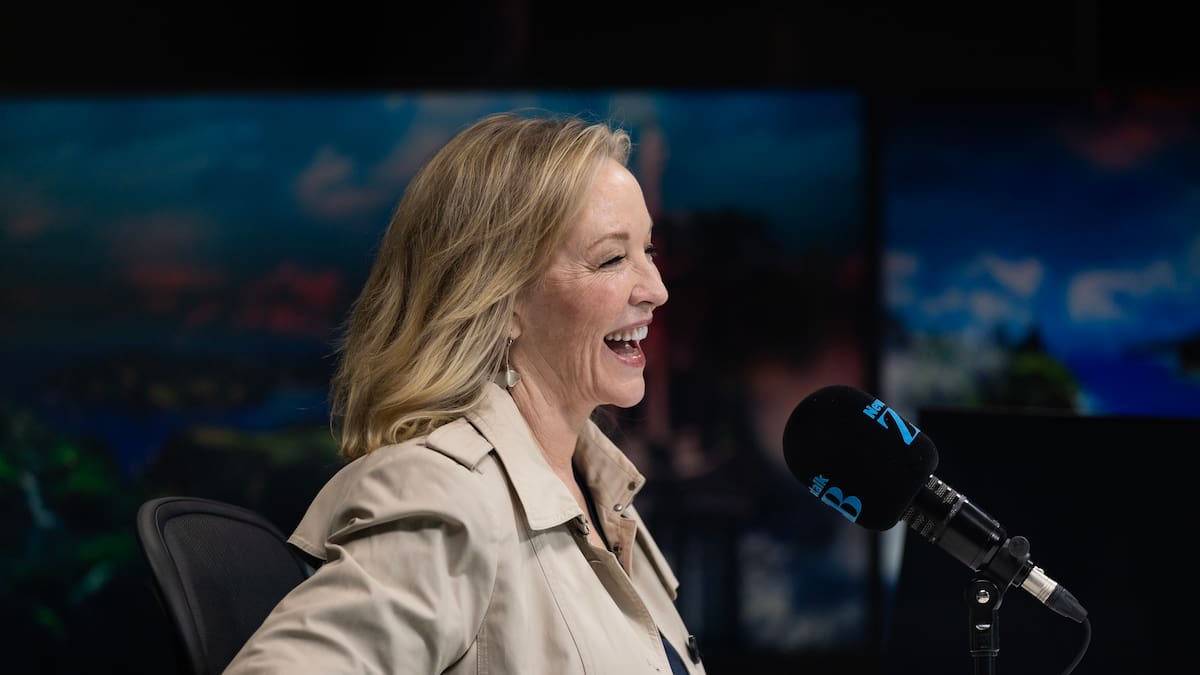
Rebecca Gibney.
Only in the past decade or so have autism and ADHD been able to be diagnosed together. Until 2013, the Diagnostic and Statistical Manual of Mental Disorders (DSM) – the reference used by health workers around the world for definitions of psychological diagnoses – did not allow for ADHD to be diagnosed in an autistic person.
About 1% to 4% of the population are autistic.
They can find it difficult to navigate social situations and relationships, prefer consistent routines and find changes overwhelming and repetition soothing. They may have particular sensory sensitivities.
ADHD occurs in around 5%-8% of children and adolescents and 2%-6% of adults. Characteristics can include difficulties with focusing attention in a flexible way, resulting in procrastination, distraction and disorganisation. People with ADHD can have high levels of activity and impulsivity.
Studies suggest about 40% of those with ADHD also meet diagnostic criteria for autism and vice versa.
Sign up to The Daily H, a free newsletter curated by our editors and delivered straight to your inbox every weekday.