
[InTime News]
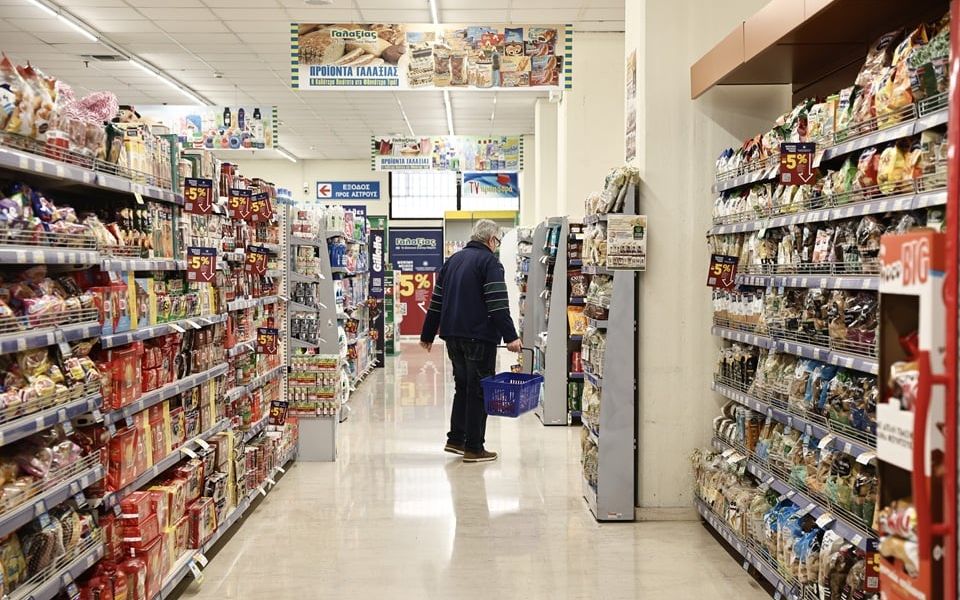
Consumers are facing sharply higher costs for everyday goods, forcing many households to cut back on discretionary spending, according to recent data and surveys.
While the volume of goods purchased has remained roughly the same over the past 20 years, prices are now about 30% higher on average, NielsenIQ reported at its annual “Shopper Trends” conference.
Supply chain disruptions, energy-driven inflation linked to the war in Ukraine and the latest Middle East crisis have pushed food prices up 22% since 2022 and nearly 38% compared with 2020, according to the Hellenic Statistical Authority (ELSTAT).
Rising living costs have weakened purchasing power, leaving Greece last in the European Union in 2025 in per capita GDP measured by purchasing power, at 68% of the EU average alongside Bulgaria.
Social indicators show the share of people facing severe material and social deprivation reached 14.9% last year, with 27.5% at risk of poverty – the second-highest rate in the EU after Bulgaria. Households are adjusting by cutting discretionary spending.
Research by Circana found most consumers are dining out and traveling less, and spending less on clothing and entertainment. Price increasingly outweighs brand loyalty: 60% buy mostly discounted items, more than 40% favor private-label products and many compare prices before purchasing.