
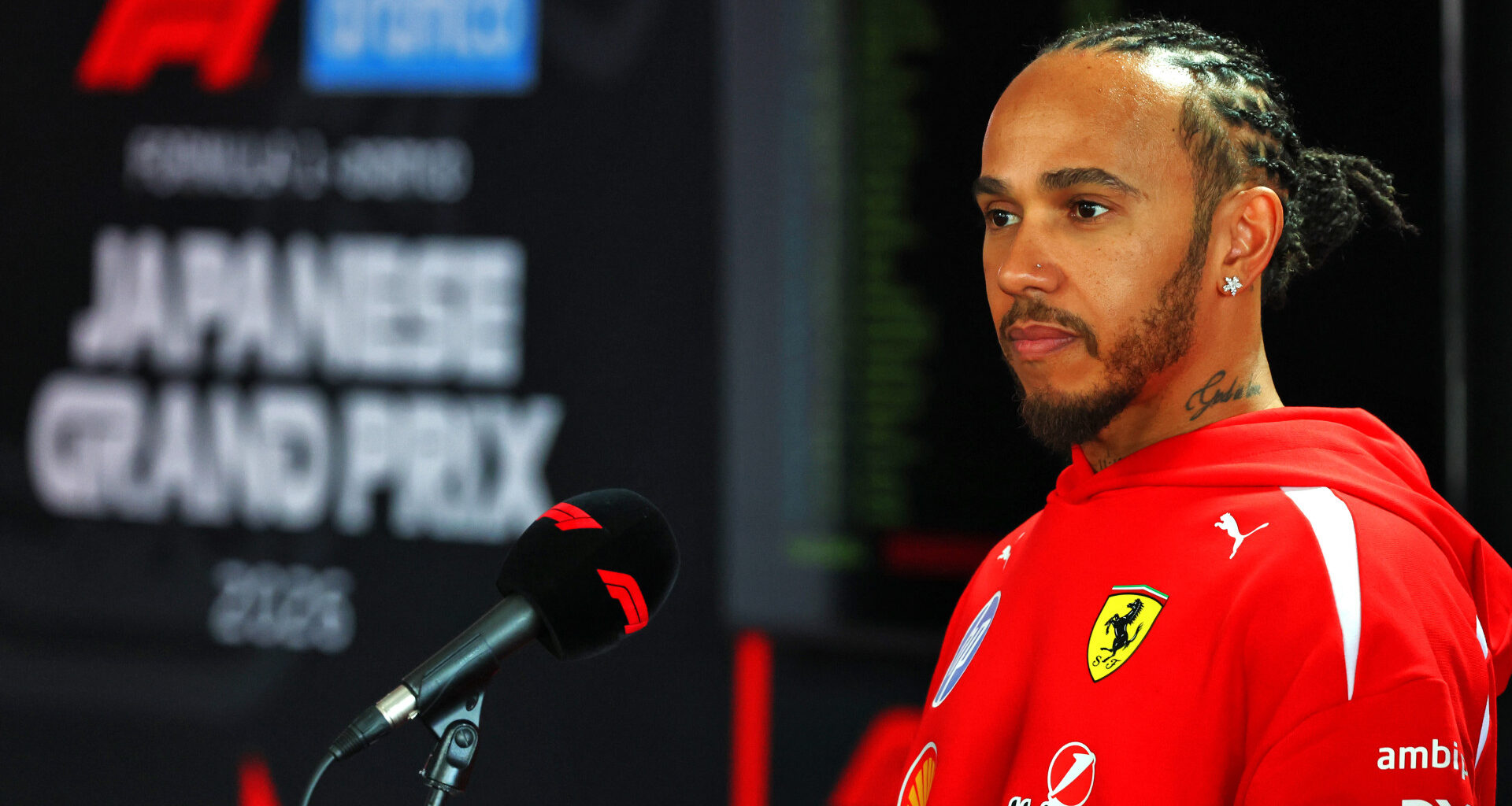
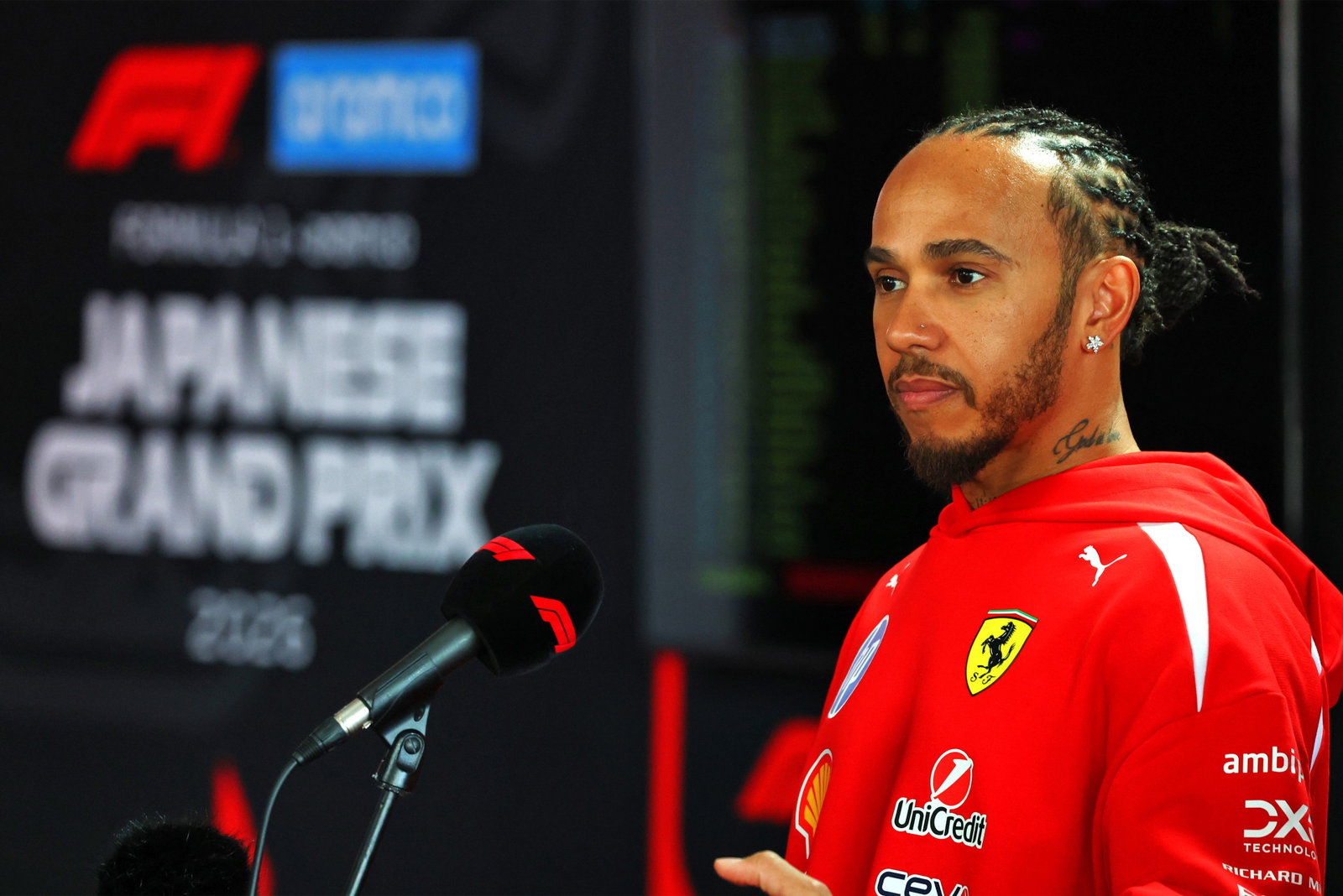
Lewis Hamilton doubts the drivers will be listened to in upcoming rule change talks by F1 & the FIA. Image: XPB Images
The FIA and Formula 1 are set to review the new regulations in April following mounting criticism, but Hamilton is not expecting the meeting to produce significant changes despite growing safety and racing concerns.
“I’m not expecting much from it,” Hamilton said.
“But I know I hope they make some big changes.”
The seven-time world champion’s scepticism centres on what he sees as a lack of driver representation in the decision-making process, particularly as debate intensifies around energy management and its impact on racing.
“The drivers don’t have a say,” he said.
“We have no power. We’re not on the committee; we have no voting rights.”
Hamilton suggested the structure of the discussions themselves could limit progress, hinting at competing interests among stakeholders.
“There’ll be a lot of chefs in the kitchen. It doesn’t usually end up with a good result,” he added.
The review comes amid increasing unease over the racing product, with drivers pointing to lift-and-coast phases in qualifying and fluctuating battery deployment in races that have led to inconsistent performance and so-called “fake” overtaking.
Concerns escalated at the Japanese Grand Prix when Oliver Bearman crashed trying to avoid Franco Colapinto’s slowing Alpine approaching the Spoon corner.
The incident, triggered by differences in energy deployment, highlighted the risks created by speed differentials that can exceed 50km/h.
While Bearman avoided serious injury, the crash intensified scrutiny on the regulations and prompted the FIA to fast-track discussions with teams and stakeholders.
Hamilton acknowledged performance variability remains a factor in the current competitive picture, pointing to uncertainty around engine characteristics.
“Obviously, only on some performance, we’re hugely down to the Mercedes engine, and what that is, we don’t know whether it’s just that they have a bigger turbo or just more crank power or something else. We’ll find out,” he said.
“We have to try to figure it out, work harder.”
Other drivers share Hamilton’s concerns that the process may overlook those behind the wheel.
Grand Prix Drivers’ Association director Carlos Sainz has been particularly vocal, warning that team perspectives risk overshadowing driver feedback.
“That’s the problem when you listen only to the teams, that they will think the racing is OK because maybe they’re having fun watching it on the TV,” Sainz said.
“But from a driver standpoint, when you are racing each other, and you realise that there can be 50km/h speed delta, that’s actually not racing.”
Despite the FIA confirming that adjustable elements within the regulations — particularly energy management — are under review, drivers remain cautious about what the April meeting will deliver.
“I really hope they listen to us, and they focus on the feedback we’ve given them, rather than only listening to the teams,” Sainz added.
“[I hope] they come up with a plan for Miami that improves the situation, and a plan also for the medium-term future of these regulations to keep improving it.
“Even if you cannot improve everything for Miami, do another good step in Miami and then a big step for, I don’t know if it’s next year or later in the season.”
The Miami Grand Prix takes place May 1–3.