
A class action of 18 people and 14 residences from the small Northern Victorian town of Numurkah has alleged that agribusiness giant GrainCorp expanded its production output at the expense of residents.
GrainCorp is defending allegations in the Supreme Court of Victoria that its factory in Numurkah, which crushes canola seed to produce oil and meal for animal stock feed, has produced offensive noise and odours that have encroached beyond its boundary into neighbouring residences.

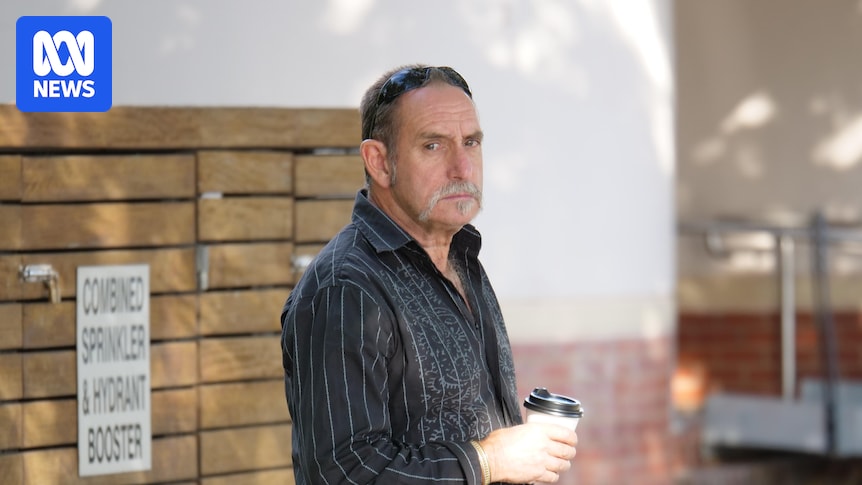
Kevin Green (left) outside the Shepparton Courthouse ahead of a class action against GrainCorp. (ABC News: Andrew Mangelsdorf)
The lead applicant for the class action is Kevin Green, who the court heard has brought complaints against GrainCrop for over nine years.
Other group members are residents in the town who live within one kilometre of the factory and who also allege they have suffered loss and damage.
Court hears production has doubled
In opening arguments today, Mr Green’s senior counsel, Daryl J Williams AM KC, said that since 2017, production at the factory had more than doubled.
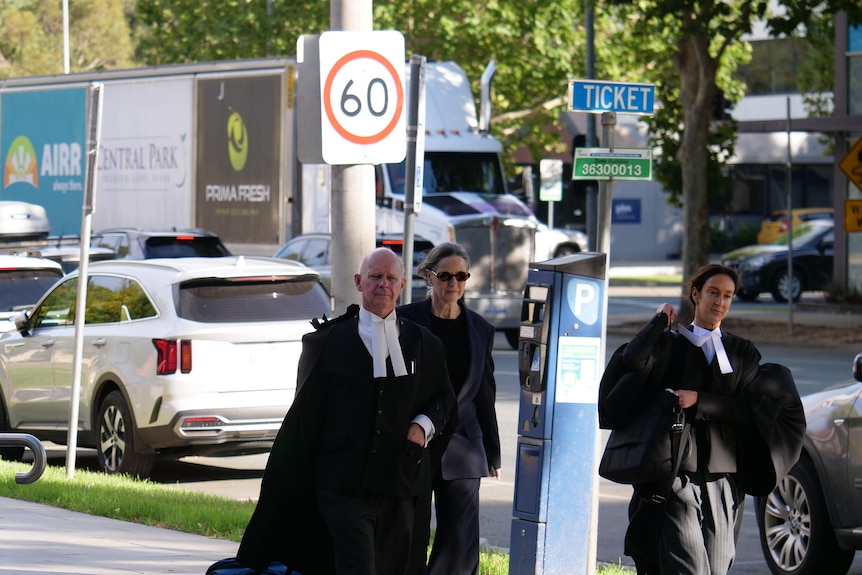
Daryl Williams said production at the factory had more than doubled. (ABC News: Andrew Mangelsdorf)
The court heard the previous operation taken over by GrainCorp in 2012 was “significantly smaller” and after taking over the factory [GrainCorp] “sought to maximise the opportunity of producing canola oil at the site.”
Mr Williams said a factory of this size would normally be found in a rural location some distance from residential locations, and that there was a relationship between increased crush volumes and noise and odour.
He conceded that the company had made attempts to reduce odour emissions and sounds, but that these attempts had “been on a catch-up basis”.
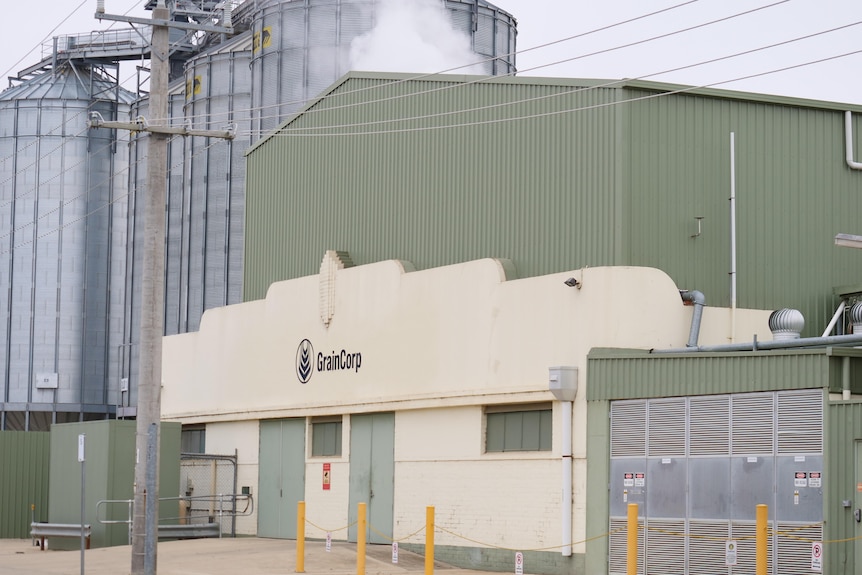
GrainCorp’s factory in Numurkah is the major employer in the small town. (ABC Rural: Justine Longmore)
It is “not good enough to be constantly behind the curve on odour and emission”, he said.
He said what was needed for residents who were impacted and which was missing from the company was an “advance plan”.
The company had an “expand first, fix problems later” approach, Mr Williams said.
The court heard the company’s expansion dubbed “Project Force” had aimed to increase its crush output to 1,150 tonnes of canola and to “eliminate bottlenecks” that would achieve that amount.
Sounds like ‘a roaring jet’
The court saw an internal email from GrainCorp dated March 11, 2018, referring to a complaint Mr Green had made that a solvent plant alarm had woken his family early in the morning.
“From our side we should look into reducing intensity of the alarm and do we know why it occurs so frequently?” the email noted.
The court also viewed correspondence between the Environment Protection Authority (EPA) and the company over noise and odour complaints as well as videos recorded by Mr Green early in the morning and late at night documenting noise and steam emissions from the factory.
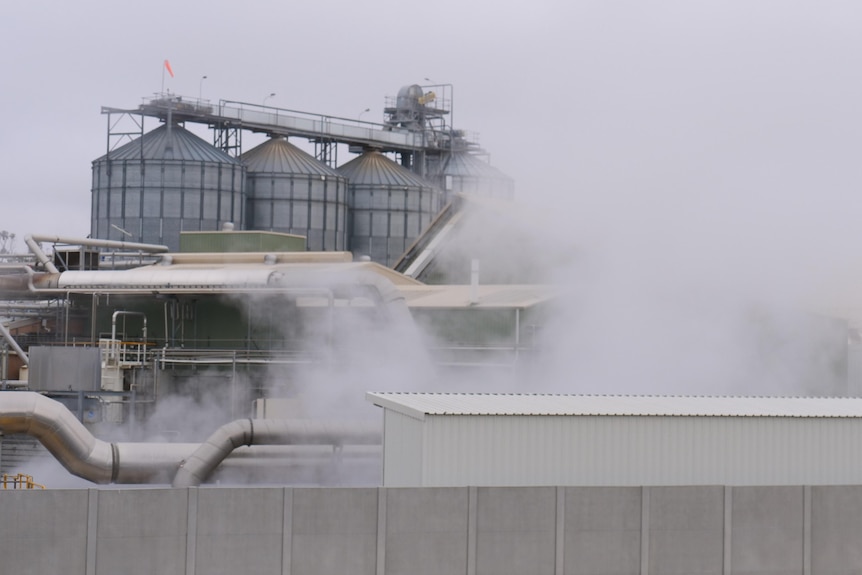
The GrainCorp factory in Numurkah. (ABC Rural: Justine Longmore)
In one video presented by Mr Green’s team, the factory was shut for maintenance and Mr Green is heard saying “The place is dead quiet. It’s fantastic.”
“We’re living normal lives,” he said.
Another video taken on February 4, 2020, at 11pm showed Mr Green walking towards the factory and saying that the noise he could hear from his bedroom “sounds like a roaring jet.”
Mr Williams said that GrainCorp had known at all times that it was not acting in its obligation to compliance with noise and odour, that it knew that it was in breach of its licence conditions with the EPA and its planning permissions.
He told the court the company’s pattern of conduct “to deny an deflect” indicated “only an imposition by court of an injunctive remedy is likely to be sufficient to ensure the avoidance of repetition.”
GrainCorp says it manages noise and odour
GrainCorp’s senior counsel Kathleen Foley said Numurkah had a history of industrial manufacturing at the site since the 1930s, before Mr Green purchased his property.
The court heard the site had been used as a butter factory since 1907, was creating seed oil since 1989 until GrainCorp took over from Riverlands Oilseeds in 2012.
Ms Foley pushed back against the characterisation of GrainCorp’s management as “expand first, fix problems later” and argued that noise and odour are thought about “continually” at the factory and that the company was “proactive in its approach.”
She presented a range of internal documents that showed the company was aware of noise impacts before Project Force was completed and that GrainCorp has implemented a range of noise mitigation measures that are consistent with its general environmental duty.
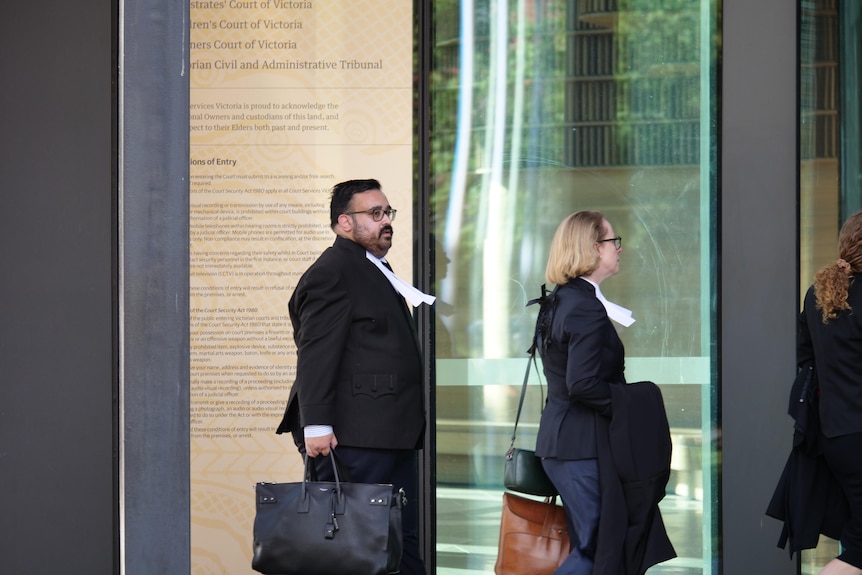
Lawyers for GrainCorp say the site has a history of industrial manufacturing. (ABC News: Andrew Mangelsdorf)
Other internal documents shown to the court included the Numurkah Environment Management plan, which outlined those who were responsible for minimising noise impact, formal procedures and an incident reporting system.
Ms Foley told the court the company took noise and odour very seriously for both personnel and neighbours.
She told the court the trial’s evidence would establish that offensive noise and odour was not emitted beyond the plant’s boundary.
Ms Foley said that since the complaint had been converted to a class action in 2023, only 14 residences and 18 group members had registered.
She said if the offensive noises and odour were of the size and frequency outlined in the complaint, a “far greater number of group members would have registered.”
The trial under Justice Stephen O’Meara continues.