
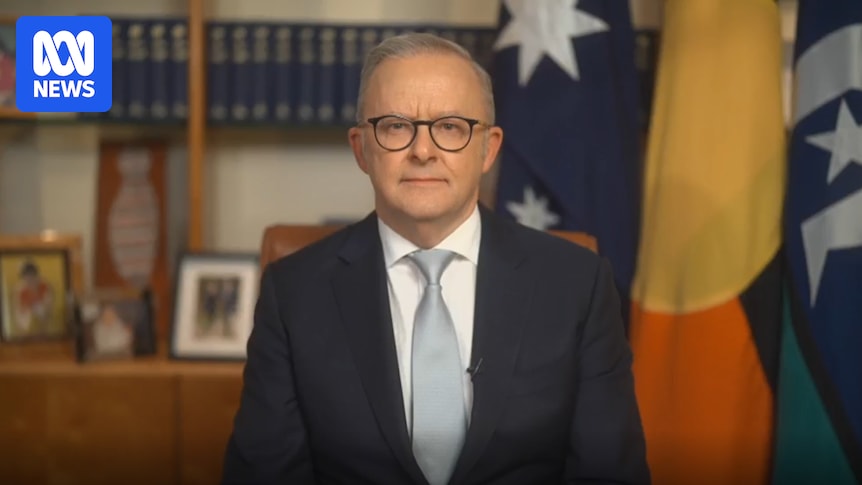
Anthony Albanese used his address to the nation — broadcast across every television and radio network in the country — to send one unambiguous message to Australians.
The message was this: his government has your back and will shield you in every possible way it can from the war in the Middle East and the economic tsunami it is causing.
But it was also a warning shot, reckoning with every single Australian that the crisis will lead to some bleak economic months ahead.
The prime minister addressed the nation in a live broadcast tonight, promising “we will do everything we can to protect Australia from the worst of it”.
Loading…An emphasis on choice
But he also used the address to lean into a different strategy to the one used during COVID, which has left a negative sting on Australians who are tired of heavy-handed government interventions.
The key emphasis here was choice. The prime minister is asking, not telling, Australians to change the way they behave in the coming weeks. It is a request, an appeal to people’s best instincts, to preserve our fuel supplies as much as we can for those who need it most.
Now, it’s the Australian way that people want to do their bit — and there are simple ways that you can. You should go about your business and your life, as normal.
Enjoy your Easter. If you’re hitting the road, don’t take more fuel than you need — just fill up like you normally would.
Think of others in your community, in the bush and in critical industries.
But it is the part of the address where the PM talked about the weeks after the Easter break that sends the strongest message about the real pain point of this crisis, expected to last well beyond the school holidays.
He warned the country:
The economic shocks caused by this war will be with us for months.
And over coming weeks, if you can switch to catching the train or bus or tram to work, do so.
That builds our reserves and it saves fuel for people who have no choice but to drive.
Farmers and miners and tradies who need diesel, every single day.
And all those shift workers and nurses, who do so much for our country.
The months ahead may not be easy.
I want to be up-front about that.
National addresses are used sparingly and send a message to Australians that something is very serious and deserves laser-like attention. The last time we had one was when Scott Morrison stared down the barrel of the camera during the pandemic to outline the government’s holistic response.
Albanese is actively trying to demonstrate he is a strong leader following criticism over his handling of the Bondi terror attack — particularly his delay in announcing a royal commission.
The risk for the PM is that if he uses what is widely seen to be a break glass measure such as a live national broadcast to repeat his call for people to stay calm and not panic buy fuel, he risks being responsible for creating exactly that: panic.
There will be harsh criticism that he used the address but failed to outline any new measures or approaches.
Loading ‘An Instagram reel, not a national address’
Redbridge polling group director Tony Barry was critical of the PM’s use of the address.
“It was an Instagram reel, not a national address. Albanese’s only message was not to panic, making it a content free address,” Barry said.
“But Albanese doesn’t seem to realise that voters no longer have any trust in institutions for that kind of message to work anymore, which is one of the reasons for the surge in support for One Nation.”
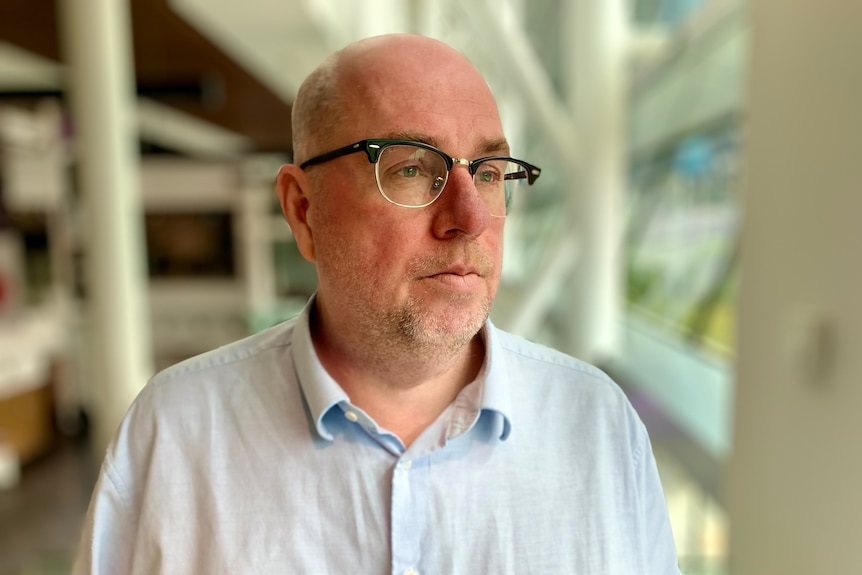
Redbridge polling group director Tony Barry was critical of the PM’s use of the address. (ABC News: Peter Healy)
Not wanting to miss an opportunity to get ahead of his speech, the opposition were quick to lay down a marker about it, suggesting nothing had changed from yesterday and questioning the need to deliver an address given that context.
Striking a balance between providing assurance to the nation and simultaneously warning that things will get worse is never easy.
The subject of his address kept the media in overdrive for most of the day, with guessing games over whether Albanese would foreshadow a post Easter restriction on fuel here at home, or if the focus would be on what next in respect of Australia’s involvement in the Iran conflict.
Political analysis that matters
With the US president due to hold a press conference tomorrow morning, Australian time, the unpredictability of Trump has left even senior figures in government unable to give an end point to the conflict.
What was most stark in Albanese’s address was the failure to mention the man who is behind the latest shock, Donald Trump.
He was the Voldemort of the address — never mentioned — and yet in the public’s mind he is the single biggest impediment to their economic security.
Albanese may be doing his best to offer words of assurance to the country, but it is the actions of his US counterpart that will determine the outcome to this crisis.
Patricia Karvelas is host of ABC News Afternoon Briefing at 4pm weekdays on ABC News Channel, co-host of the weekly Party Room podcast with Fran Kelly and host of politics and news podcast Politics Now.