
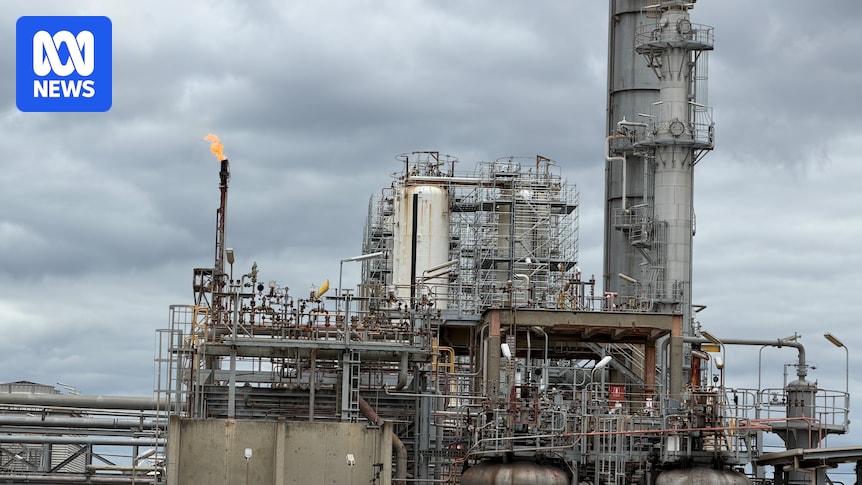
Australia’s fuel refineries say the decision to lower diesel standards for six months will help increase supply amid the ongoing crisis.
Energy Minister Chris Bowen said last week the standard for diesel had been adjusted to allow more fuel to flow into the domestic market.
But what does lowering the standard actually mean? Is it safe and how will it help increase supply?
Here’s what you need to know.
What has changed? 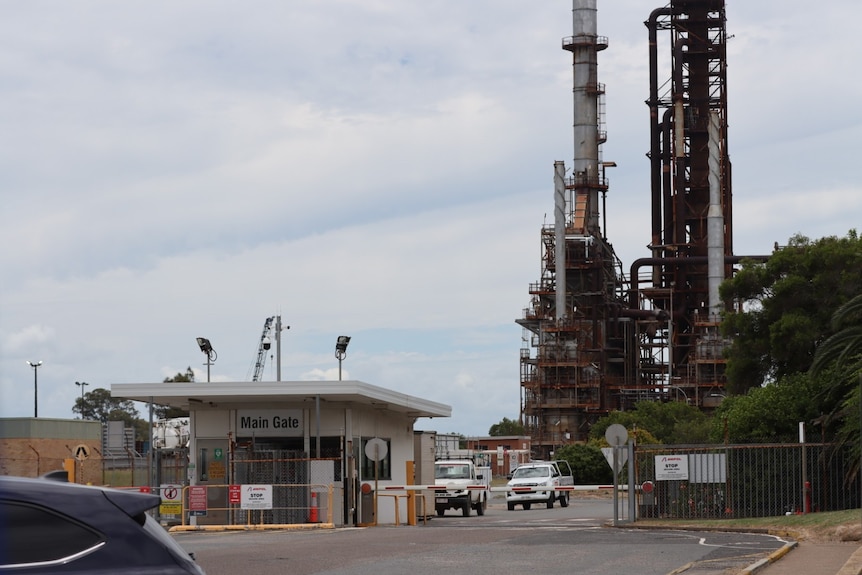
Lowering the standard means more diesel can be produced. (ABC News: Lucas Hill)
The six-month adjustment will see the diesel flashpoint lowered from 61.5 degrees Celsius, to 60.5 degrees Celsius.
Australia has one of the highest diesel flashpoints in the world. In comparison, Europe has a minimum diesel flashpoint of 55C.
The flashpoint refers to the lowest temperature at which vapours coming off a fuel could ignite.
Queensland University of Technology science and engineering professor Dr Richard Brown said an example of this could be if fuel was spilt on the ground and static electricity was in the air, it would be the temperature that caused an ignition.
The typical flashpoint for petrol is around -40C, meaning petrol is classified as a flammable liquid. Diesel, with the higher flashpoint, is classified as a combustible liquid.
How will this improve supply? 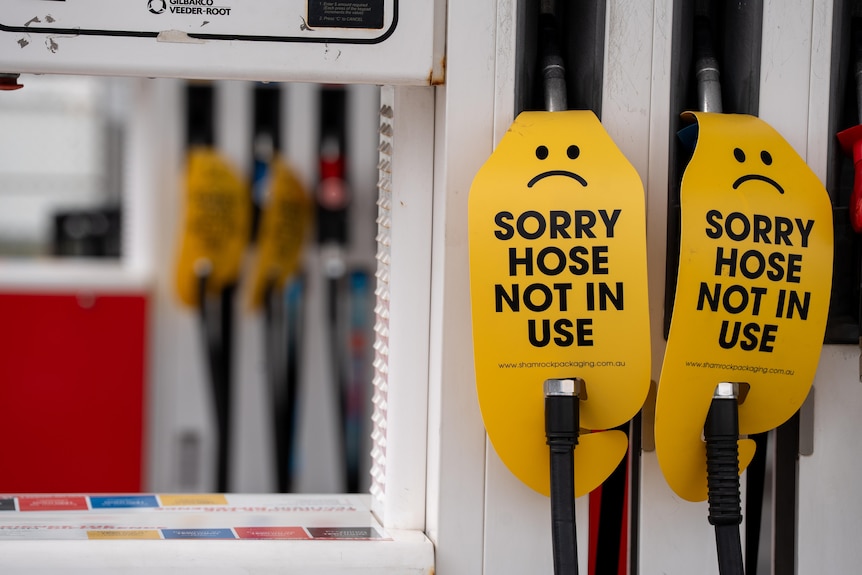
Some petrol stations have been hit by intermittent shortages. (ABC News: Daniel Taylor)
Dr Brown said because diesel, like petrol, was a mixture of different compounds, lowering the flashpoint meant shorter chain carbon molecules could be added into the fuel.
Shorter chain carbon molecules, such as propane, are characterised by low boiling points, high volatility, and high flammability.
“So when they do the blending of the fuel and the refining of the fuel, they’re allowed to have a little bit more of these volatile materials in the diesel with the 60.5 flashpoint,” Dr Brown said.
“It just makes it easier for the refinery to produce a larger amount of fuel because they’re able to be a little bit more flexible about what they put into the diesel.”
Dr Brown said it was possible to mix other components into diesel to increase volume.
Is lowering the flashpoint safe?
The lower the flashpoint, the higher the risk of ignition is. However Dr Brown said the 1 degree drop was not likely to affect safety.
“Particularly when you consider it’s currently going into the coolest season in Australia and we’ll be soon in winter,” Dr Brown said.
“Australia generally has a little bit higher flashpoint requirements for diesel than some other countries.”
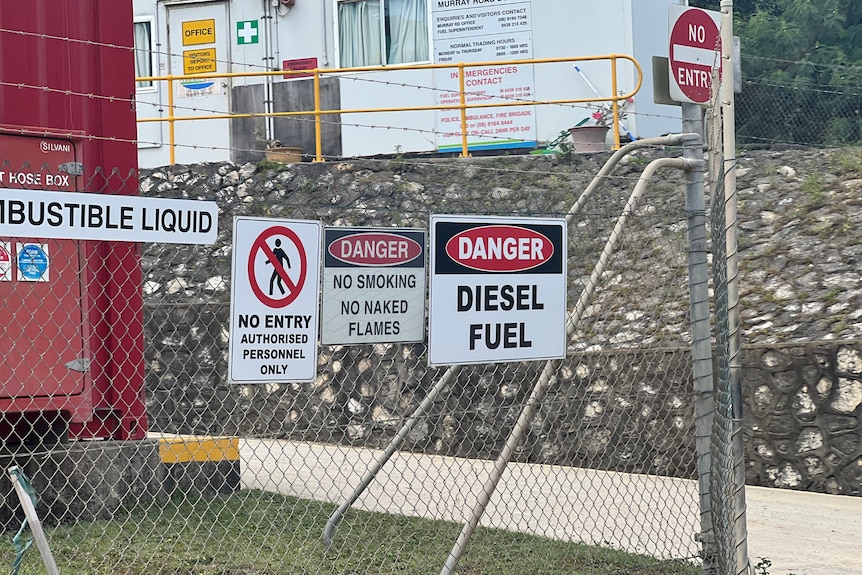
Diesel fuel is considered a combustible liquid. (ABC Pilbara: Mietta Adams)
Mechanical engineering professor Dr Alexander Klimenko from the University of Queensland said as long as diesel continued to be stored safely, the change should not impact safety.
“If we can safely store petrol under these conditions and prevent vapour from being ignited, it’s certain diesel would remain safe,” he said.
Where are Australia’s refineries and how have they responded?
Australia has two operating oil refineries, one in Brisbane and one in Geelong.
Ampol operates a refinery in Brisbane’s eastern suburb Lytton.
An Ampol spokesperson welcomed the decision to lower the diesel flashpoint.
“This move will allow Australian refiners to maximise the yield of crude oil in the refining of diesel and broaden diesel import supply options from international markets.
The lowering of the flashpoint to 60.5 means Australia will still have one of the highest diesel flashpoint standards in the world.
This temporary change will not affect combustion efficiency, engine performance or vehicle emissions.”
The other refinery is operated by Viva Energy and is located in the northern Geelong suburb of Corio.
A Viva Energy spokesperson said the change provided flexibility.
“The change to petroleum and diesel specifications provides us with greater flexibility for importing refined product and production at our refinery.
It means we can import refined product from a broader range of diesel manufacturers.
It also provides increased production flexibility at our Geelong refinery, allowing slightly more diesel production than normal.”