
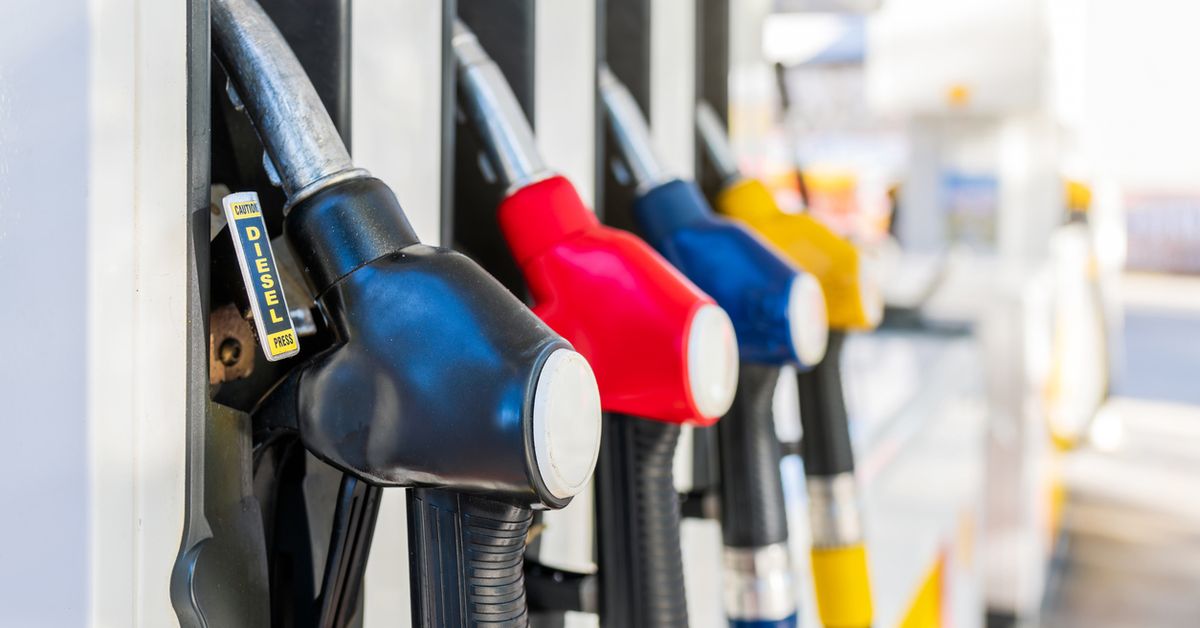
Australians can expect to be squeezed by fuel-related inflation for at least six months, a top economist has warned.
The US-Israeli attacks on Iran and Iran’s subsequent closing of the Strait of Hormuz have seen unprecedented worldwide oil price shocks, with costs ultimately being passed on to consumers.
AMP deputy chief economist Diana Mousina predicts Australians face at least half a year of soaring prices – and that could extend swiftly.
 Fuel prices will remain high for months, it’s predicted. (Getty)
“But, if there is no resolution to resuming oil supply, oil prices will surge further and have a significant downward hit to demand.”
Mousina also warned the risk of a further 5 to 10 per cent drawdown in markets remained “very high”.
“But our base case for now is that US and Iranian negotiations are successful over coming weeks,” she said.
“However, it may take a while for oil prices to normalise again. So higher inflation is likely for (up to six) months.”
Mousian estimated a household using 35L of petrol a week for driving would have been spending about $60 a week before March, rising to $88 a week in March, and would likely decline to $78 a week in April if there were no further oil price rises.
 The RBA is likely to increase interest rates. (iStock)
The lengthy oil shock is likely to have further knock-on effects, including slower consumer spending and lower GDP growth.
Mousina also predicted the Reserve Bank of Australia would raise interest rates – a reflex learned from the COVID-19 pandemic.
“While usually central banks look through supply shocks as one-off increases to prices, the problem is higher inflation expectations which can increase wage demands and higher prices seeping into other parts of the supply chain, much as it did through COVID-19,” she wrote.
“The ‘PTSD’ shock of COVID-19 will make central banks nervous to see the current supply shock as a ‘transitory’ factor and will keep central banks hawkish.”
Mousina predicted another increase to interest rates in May, and the “chance” of another in later 2026.
“But this means that there is a high chance of rate cuts in 2027 as GDP growth slows,” she said.
NEVER MISS A STORY: Get your breaking news and exclusive stories first by following us across all platforms.