
 4 min read
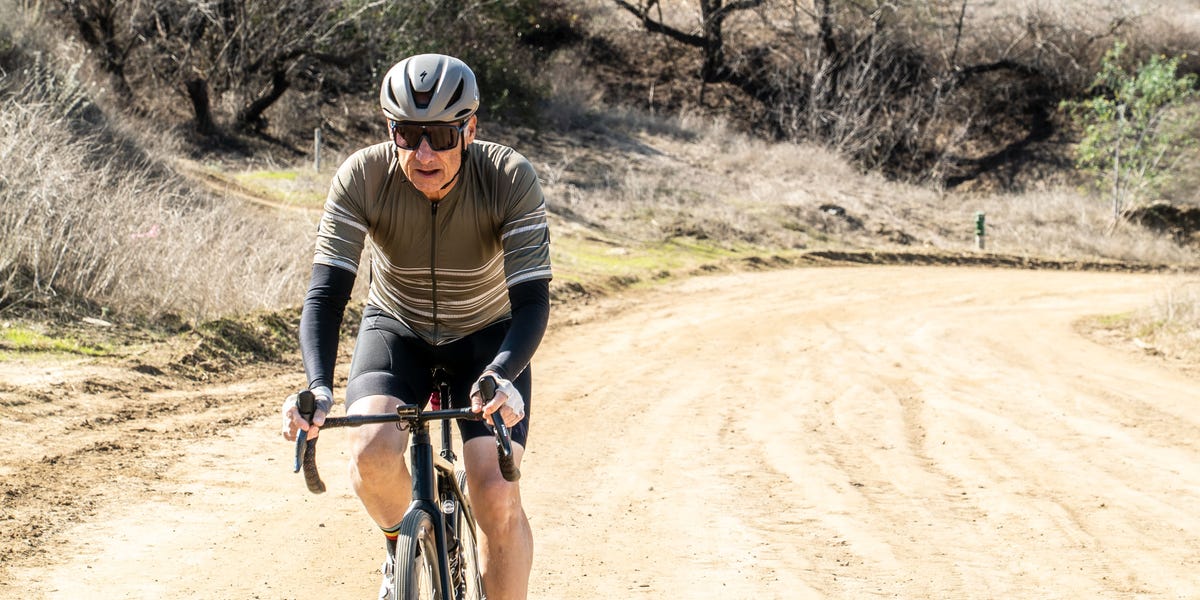
I’m 53, and like a lot of you, I’m not riding the same way I did 10 or 20 years ago.
I still like going fast—that hasn’t changed — but I’m becoming more interested in getting the most out of the effort I have. Over the course of a long ride, or a few days in a row on the bike, small inefficiencies have a way of adding up. You don’t always notice them right away, but you feel them by the end.
That’s led me to pay more attention to the things that give something back without asking more from me. There’s one upgrade in particular that does exactly that. It doesn’t require more fitness, more suffering, or even more thought. You just use it, and it works quietly in the background every time you ride.
An aero helmet.
Matt Phillips
For years, I didn’t think they were worth it. Early aero road helmets promised free speed, but they came with real compromises—they were heavy, ran hot, sometimes uncomfortable, and, let’s face it, ugly.
That’s changed.
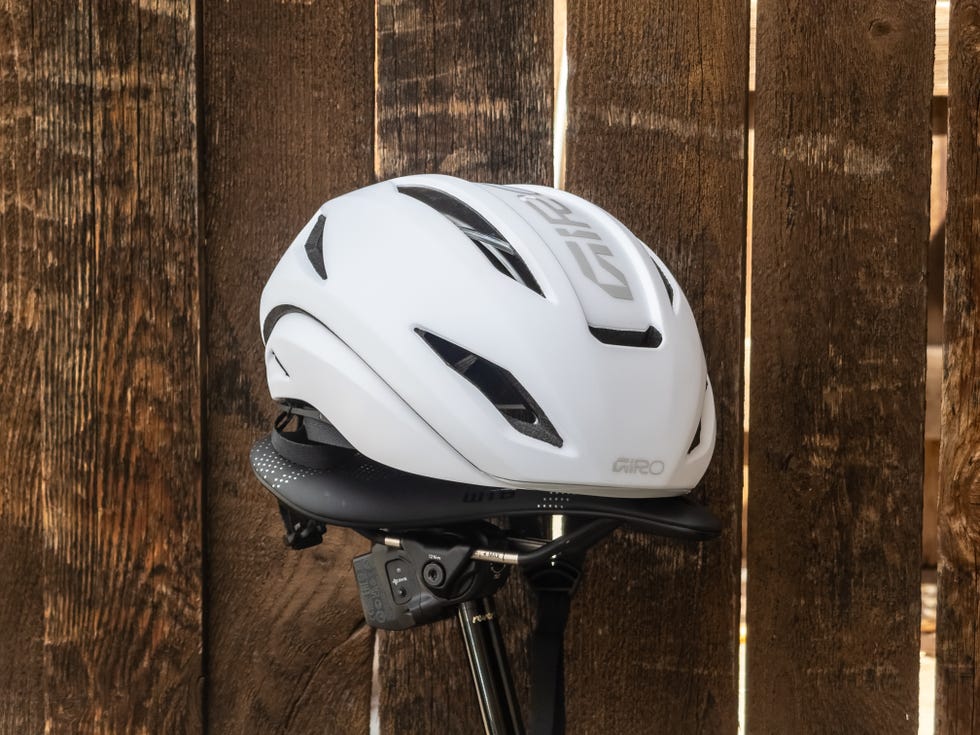
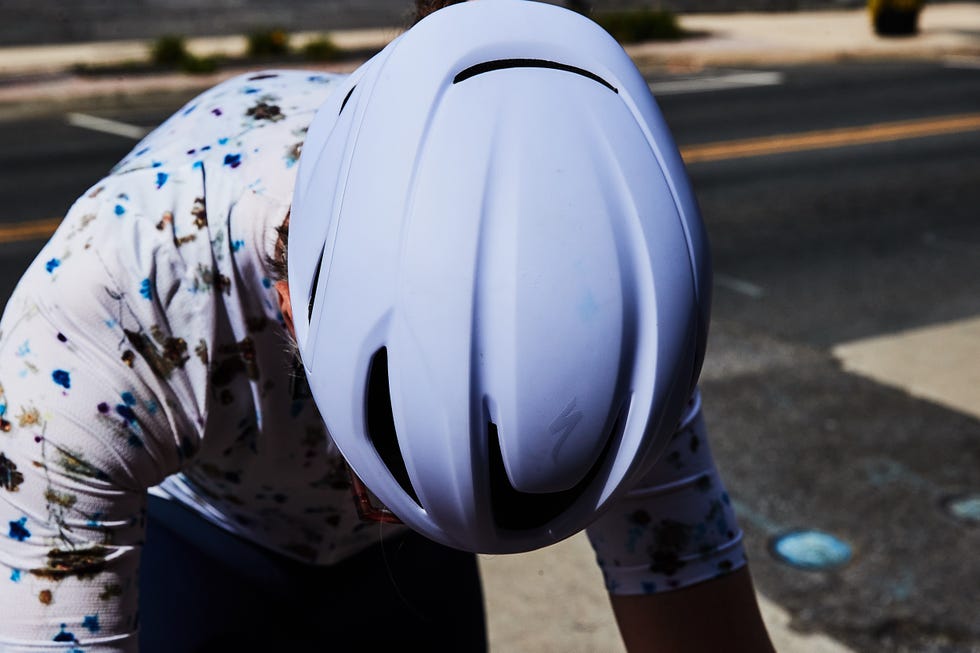
Modern aero helmets are light, well-ventilated, and genuinely comfortable for long rides. I’ve been riding in Giro’s Eclipse Pro, and it feels like a great high-end road helmet that just happens to be aero. It’s only a few grams heavier than Giro’s Aries, and on the road, I don’t feel like I’m giving anything up. Giro says the difference is meaningful: according to Michael Parker, lead design engineer at Giro, the Eclipse Pro is about 20 percent more aerodynamically efficient than the Aries under the same conditions.
I’m wearing a helmet every ride anyway, so why not choose the one that saves a few watts and provides some free speed?
There’s also a less-discussed benefit that shows up every time you ride: aero helmets are quieter. Less drag means less wind noise, which not only makes the ride more pleasant but can also improve your awareness of what’s happening around you.
trevor raab
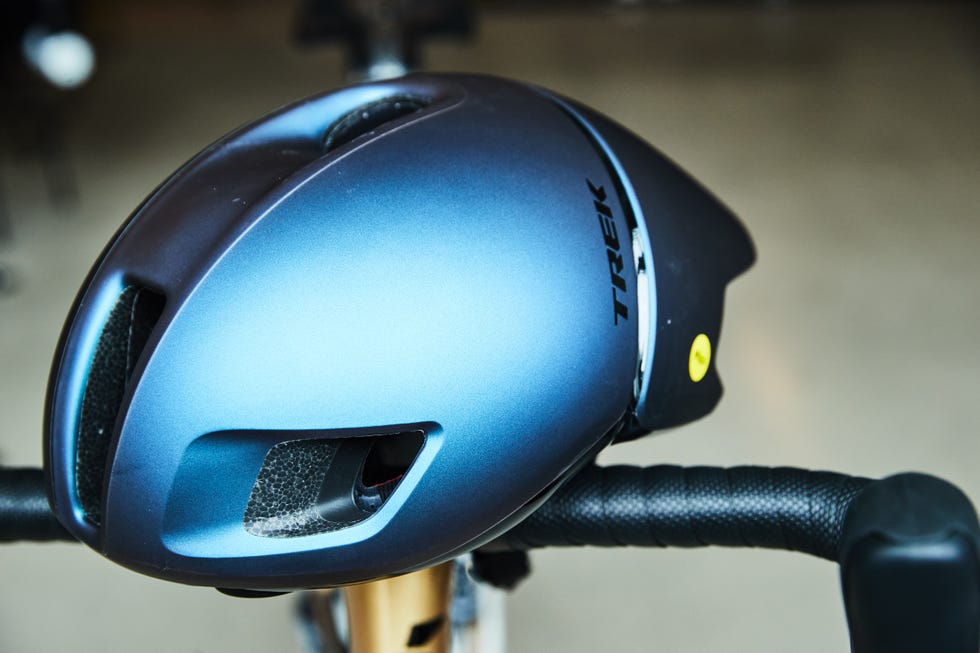
While quieter riding is a nice side benefit, the real point of aero helmets is saved watts. Brands, of course, lean hard on the numbers. Trek says its Ballista saves about 10 watts compared to a traditional road helmet in controlled testing. But here’s the catch: most of those claims are built around speeds of 45 kph (28 mph) and up, which is useful for comparison but not especially representative of how most of us ride most of the time. These days, that’s a speed I’m more likely to see on a descent than on flat ground, so I asked a more relevant question: what does the benefit look like closer to 30 to 35 kph (18 to 22 mph)?
The answer is smaller, but still meaningful. As Tim Kellagher, aftermarket product marketing manager at Trek Bicycle, told me, even if riders only see a few watts of improvement at those speeds, they’re also on the bike longer, which means the savings still add up over the course of a ride.
Whitman Kwok, founder of KAV, pointed me in a similar direction. Based on the company’s wind tunnel and on-road testing, KAV estimates that aero helmets save roughly 1.5 to 3 watts at 30 to 35 kph (18 to 22 mph). On paper, that’s easy to dismiss. But over the span of a long ride, it starts to look more meaningful—not just as speed gained, but as energy saved. Kwok put it in practical terms: over a six-hour ride, even a small reduction in drag can add up to enough saved energy to matter late, when the ride starts asking harder questions.
trevor raab
That’s really the point. At whatever speed you ride, you’re wasting a little less energy, and at this point, that matters. We don’t recover as we used to, and fatigue builds more quickly over long rides or consecutive days. I’m not trying to prove anything anymore—I just want to ride well and finish with something left in the tank, and feel good enough to ride again tomorrow. An aero helmet fits that perfectly. It doesn’t change how we ride or ask us to push any harder; it simply gives a little back, trimming away effort you’d otherwise lose to the wind. Same speed, slightly less work.
There are caveats, of course. Real-world aero gains depend on position, wind angle, whether you’re riding solo or in a group, and a long list of other variables. As Kellagher told me, there are “a couple dozen more caveats” if you want to be fully scientific about it. But the larger point holds. You’re wearing a helmet anyway, and modern aero helmets have gotten good enough that the old tradeoffs are mostly gone.
It’s not dramatic, but it is real. And at this stage, that’s exactly the kind of upgrade that makes the most sense—one that gives something back without asking anything in return.
Member Exclusive: Check Out Our Top Cycling Stories


A gear editor for his entire career, Matt’s journey to becoming a leading cycling tech journalist started in 1995, and he’s been at it ever since; likely riding more cycling equipment than anyone on the planet along the way. Previous to his time with Bicycling, Matt worked in bike shops as a service manager, mechanic, and sales person. Based in Durango, Colorado, he enjoys riding and testing any and all kinds of bikes, so you’re just as likely to see him on a road bike dressed in Lycra at a Tuesday night worlds ride as you are to find him dressed in a full face helmet and pads riding a bike park on an enduro bike. He doesn’t race often, but he’s game for anything; having entered road races, criteriums, trials competitions, dual slalom, downhill races, enduros, stage races, short track, time trials, and gran fondos. Next up on his to-do list: a multi day bikepacking trip, and an e-bike race.