
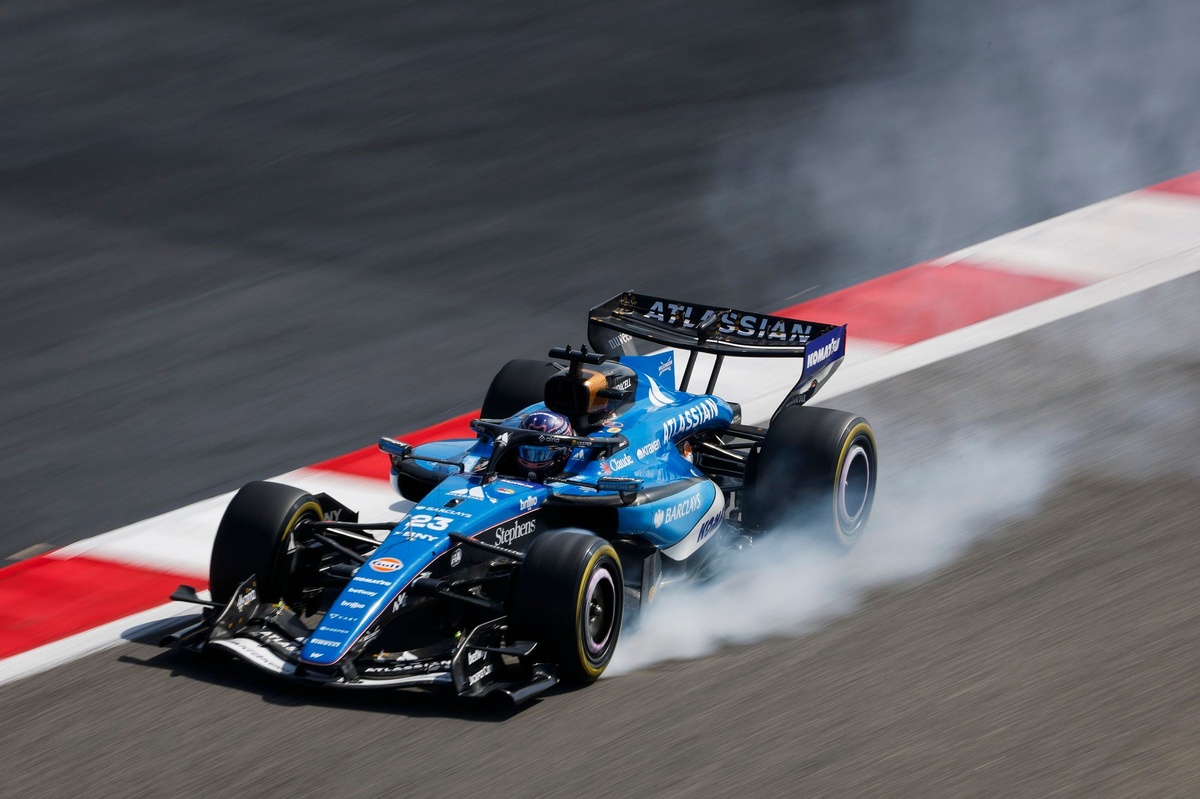
In modern Formula 1, development timing is no longer just engineering. It’s economics.
The cost cap changed the price of early mistakes and teams can no longer spend their way out of trouble: they have to get the sequence right from the start. That makes the earliest track running of a season more than a shakedown. It is the point where development programmes either begin compounding – or begin correcting themselves.
The F1 season began in Melbourne with the usual early-year questions: which cars had correlated, which simulations had held and which teams were still discovering the baseline of a new regulation cycle.
That meant the January shakedown in Barcelona wasn’t five days of running, but rather it was five days of margin to build on the competition.
In F1’s cost-cap era, development capacity is constrained not just by budget but by allocation: Wind tunnel hours are capped, simulation time is rationed and once the season begins, development direction is largely fixed by decisions already embedded in the car’s architecture. That makes early track mileage more than preparation, as it defines the season’s first correlation window – the moment when simulation meets reality and uncertainty is most expensive.
Williams did not run its new car during the Barcelona shakedown, but by the end of official testing in Bahrain, it had accumulated meaningful mileage. However, relative to several direct midfield rivals, its validation cycle began later.
In isolation that is a scheduling detail. In a championship governed by Aerodynamic Testing Regulations (ATR), it becomes a sequencing variable with compounding consequences. ATR allowances are tiered according to championship position. Finish lower, receive a higher percentage of baseline wind tunnel and CFD allocation, a mechanism designed to close performance gaps.
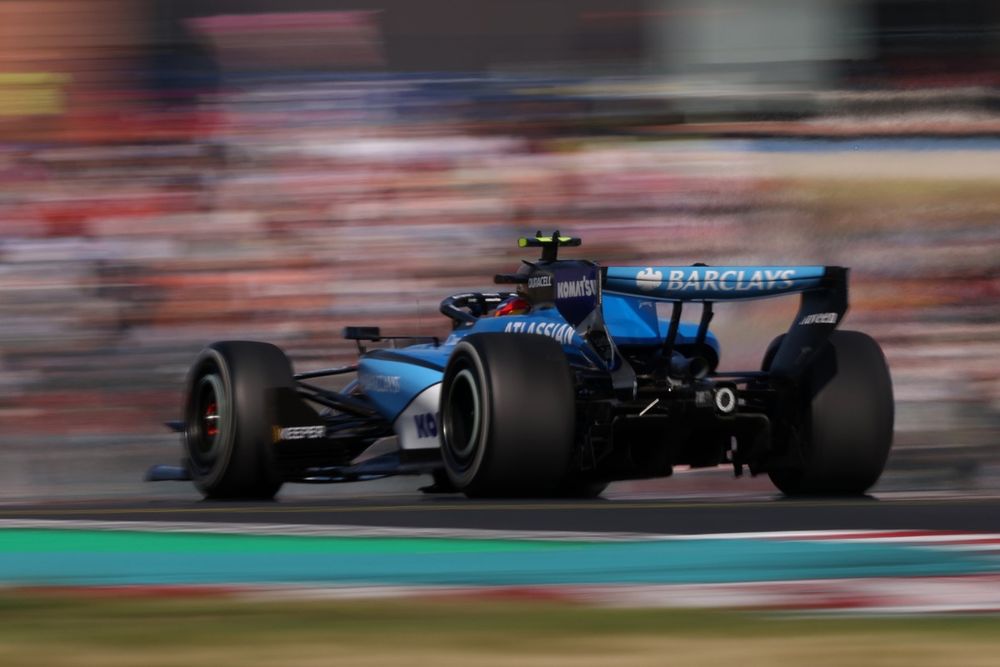
Missing the Barcelona shakedown immediately put Williams on the back foot in 2026
Photo by: Lars Baron / LAT Images via Getty Images
What it also does is increase the opportunity cost of miscorrelation. Under ATR constraints, wind tunnel hours are finite and non-transferable. If early simulation proves inaccurate, a portion of that allocation is consumed diagnosing and correcting baseline aerodynamic behaviour. Those hours stabilise understanding; they do not generate performance.
In a reset year, that distinction is decisive. The first tranche of aerodynamic capital either compounds into development, or it is spent diagnosing and stabilising the baseline. Teams that validate early can move into structured upgrade cycles sooner. Teams that validate later risk compressing development into narrower calendar windows, where correlation work, part production and circuit-specific upgrades begin competing for aerodynamic allocation. When development windows shrink, even small delays compound.
Williams’ recent history illustrates how violently midfield positions can move; seventh in 2023, ninth in 2024, fifth in 2025. That volatility is not noise, as it reflects how sensitive the midfield fight can be when subjected to development execution. In that environment, anything that delays or misdirects aerodynamic allocation does not just cost tenths. It costs positions and money.
If early track running confirms simulation accuracy, aerodynamic allocation compounds into forward development. Whereas if validation is delayed, allocation is redirected toward correction
Commercially, the difference between Williams’s ninth-place finish in 2024 and fifth in 2025 represents tens of millions of dollars in additional Formula One Management distributions — money that lands directly on the team’s balance sheet, not into a broader corporate ledger. Constructor position influences not only prize distribution but also sponsor negotiations, driver market leverage and medium-term infrastructure planning.
Williams has reported revenue growth in recent seasons alongside improved competitive stability and expanding sponsorship, but when the margins are thin, sequencing precision becomes economically material. And in F1, the consequences of that precision land somewhere on the balance sheet.
Ownership structure determines how costs are absorbed
Williams is owned by Dorilton Capital, a private investment firm, and a privately-held team experiences constructor revenue volatility directly; competitive fluctuation is reflected in team-level financial performance.
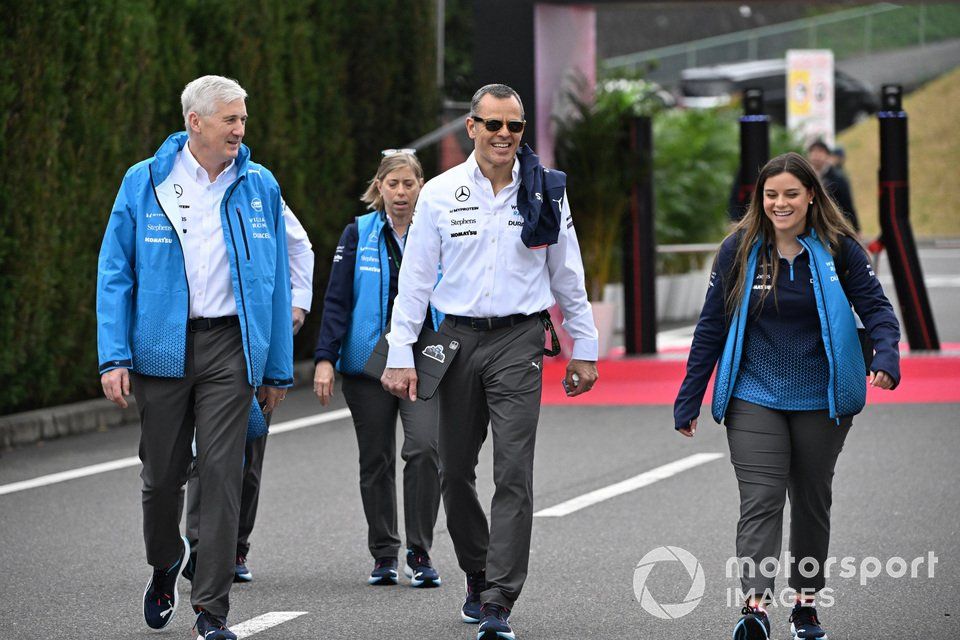
Since Dorilton Capital’s takeover of Williams the team has found financial health, but now it needs competitive gains to sustain it
Photo by: Mark Sutton / Motorsport Images
By contrast, a team such as Alpine operates within the diversified balance sheet of the Renault Group. Performance variance still matters, but the financial exposure is distributed across a broader corporate portfolio rather than landing directly on a single team entity. That distinction does not dictate engineering decisions; it defines where volatility sits when development risk is mispriced.
Why this matters so much in 2026 is because a regulatory reset magnifies that risk. New aerodynamic architecture and revised power unit integration increase uncertainty, correlation programmes are stressed and production lead times lengthen. Under the cost cap, additional spending cannot expand aerodynamic allocation mid-season. There is no financial lever to pull if early modelling proves inaccurate or underdelivering.
If early track running confirms simulation accuracy, aerodynamic allocation compounds into forward development. Whereas if validation is delayed, allocation is redirected toward correction. In both cases, the number of hours is fixed, only productivity differs.
Barcelona, viewed through that lens, was not simply a missed shakedown for Williams, or a significantly delayed one in Aston Martin’s case. It was five days of potential uncertainty reduction at the start of a new season and era of F1 that has the potential to influence outcomes for the entire rules cycle. How efficiently a team converts finite aerodynamic capital into lap time before upgrade windows narrow and circuit variability intervenes is critical, and has been reflected in the opening rounds of the season by the clear contrast in fortunes of the teams who hit the ground running in Barcelona and those who did not.
Read Also:
Modern F1 no longer rewards spending fast to solve any problem, it rewards sequencing discipline under hard ceilings.
Ownership models do not set lap time, but they do determine who absorbs the consequences when correlation is wrong and development bandwidth is consumed to find stability and correction.
Barcelona may have been five days – and limited to three days of permitted running per team. But in a cost-cap era and when a single position in the F1 world constructors’ championship carries eight-figure consequences, those fleeting days are not trivial. It is exposure. And in modern F1, exposure is financial.
Read Also:
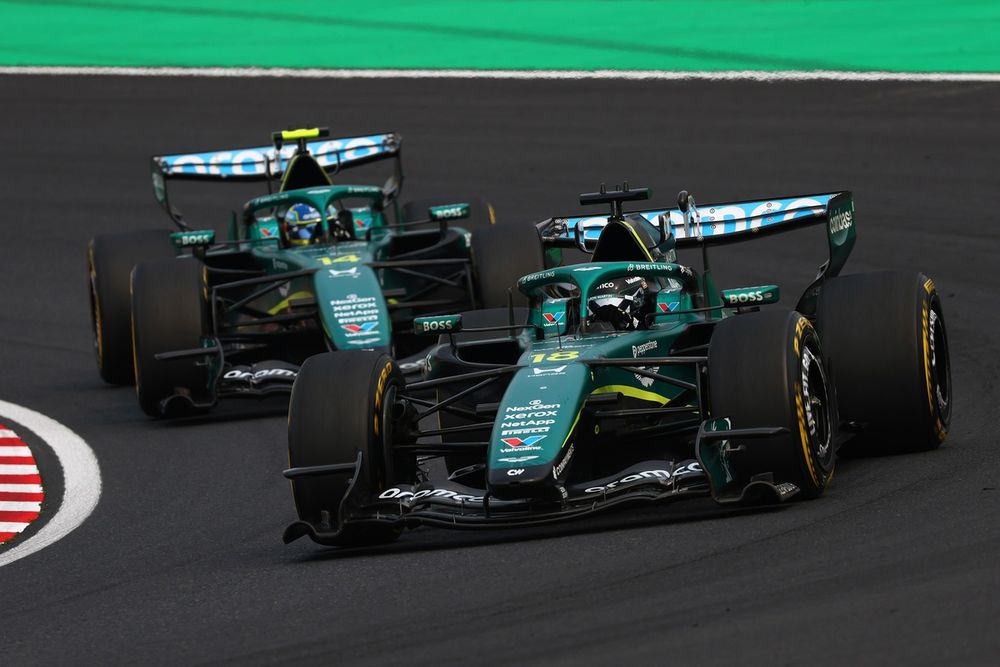
Like Williams, Aston Martin has major catching up to do, and resources will be lost to correction rather than performance
Photo by: Clive Rose / Formula 1 via Getty Images
We want to hear from you!
Let us know what you would like to see from us in the future.
– The Autosport.com Team