
Topline
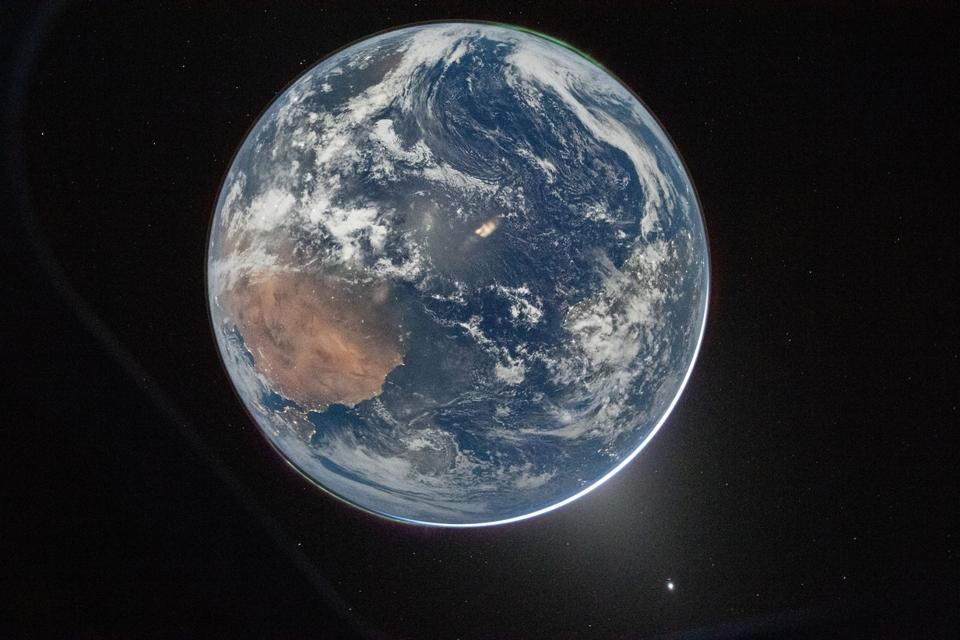
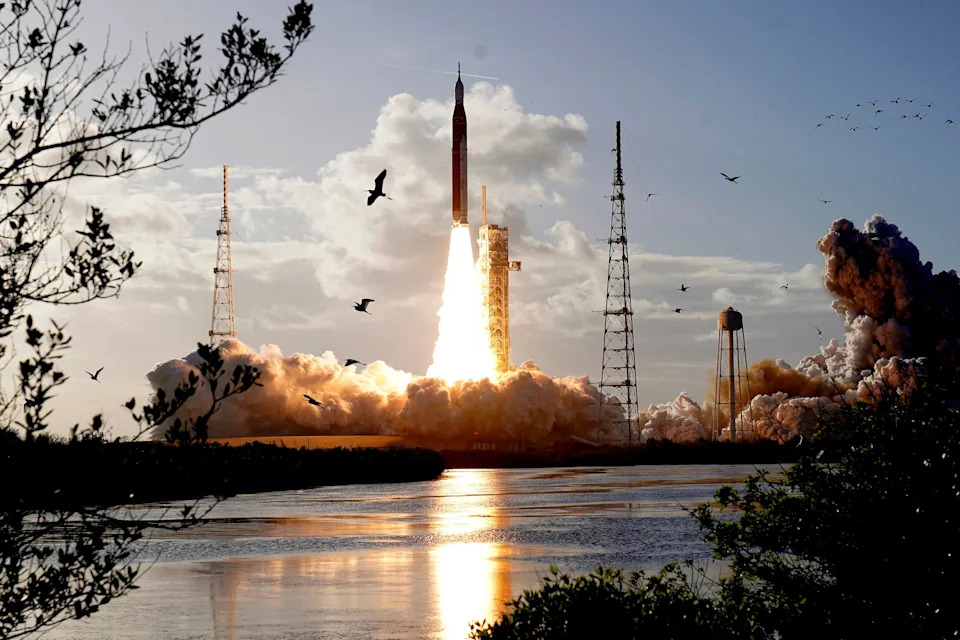
The moon-bound crew of NASA’s Orion spacecraft — named “Integrity” — spent the third day of their 10-day Artemis II mission preparing for the moon and sending back some spectacular images of Earth. They have so far included a full-disk “Blue Marble,” one showing auroras and zodiacal light and another showing Earth through one of Orion’s windows. It comes after a flawless launch on Wednesday, April 1.
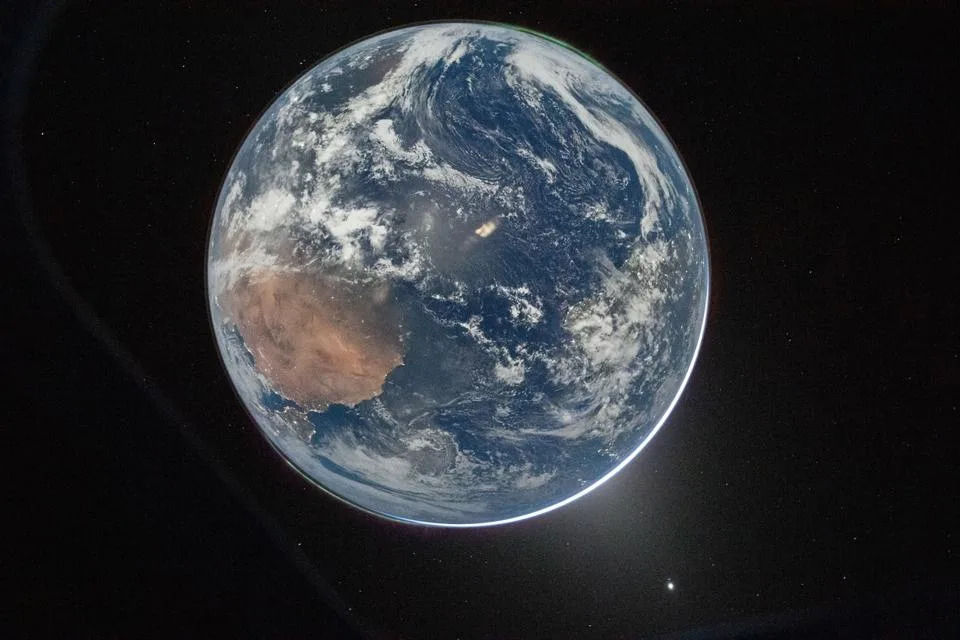
NASA astronaut and Artemis II Commander Reid Wiseman took this picture of Earth from the Orion spacecraft’s window on April 2, 2026, after completing the translunar injection burn.
NASA/Reid WisemanKey Facts
On April 3, the crew had spectacular views of Earth — and sent back several incredible images. “We all had a collective expression of joy at that… We can see the moon out of the docking hatch right now. It’s a beautiful sight,” said astronaut Christina Koch, the first woman to travel beyond low-Earth orbit.
“You can see the entire globe from pole to pole … it was the most spectacular moment, and it paused all four of us in our tracks,” said astronaut and mission commander Reid Wiseman during a video link-up to Orion.
NASA’s Johnson Space Center in Houston had been planning for the crew to conduct a correction burn on April 3 to keep Orion on a precise trajectory to fly by the moon on Monday, April 6. However, the spacecraft’s trajectory was deemed to already be precise, so flight controllers in mission control canceled the maneuver.
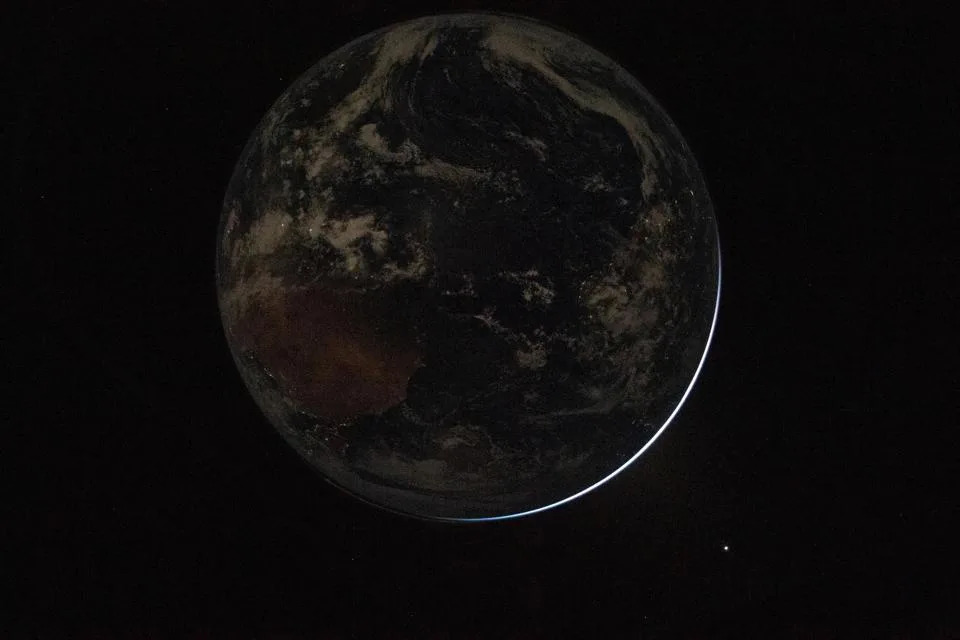
A view of a backlit Earth taken by NASA astronaut and Artemis II Commander Reid Wiseman from one of the Orion spacecraft’s window after completing the translunar injection burn on April 2, 2026.
NASAOrion’s Trans-Lunar Injection
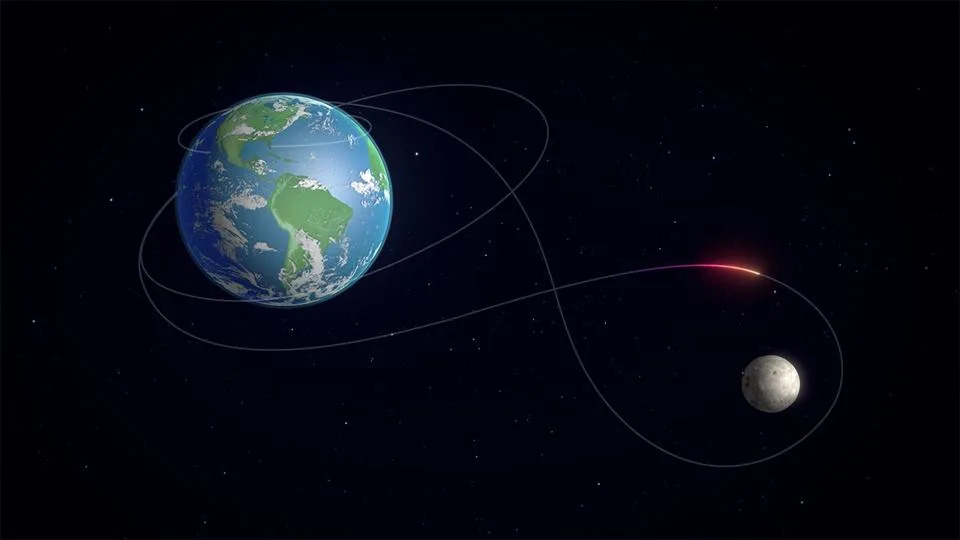
On April 2, a successful trans-lunar injection burn for six minutes saw the crew — NASA astronauts Reid Wiseman, Victor Glover and Koch, along with Canadian Space Agency astronaut Jeremy Hansen — become the first people to leave Earth’s orbit since the Apollo program in 1972.
The burn occurred after the Orion spacecraft completed an elliptical orbit of Earth, during which they moved from 46,000 miles (74,000 kilometers) above Earth to just 138 miles (222 kilometers), a lower altitude than the International Space Station, before they sped off towards the moon.
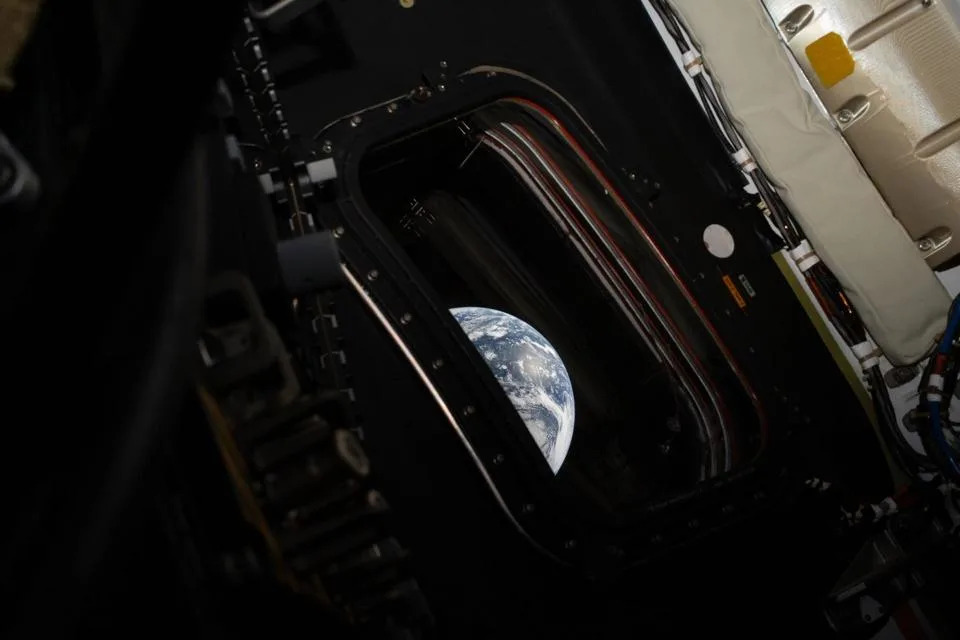
A view of Earth taken by NASA astronaut and Artemis II commander Reid Wiseman from one of the Orion spacecraft’s four main windows after completing the translunar injection burn on April 2, 2026.
NASAOrion And ‘space Weather’ Threat
Although Orion is on its way to the moon, it remains within Earth’s magnetosphere — and during significant space weather events this week. It’s currently traveling through Earth’s magnetotail, which extends for millions of miles into space away from the sun.
According to Spaceweather.com, the magnetotail provides some protection for astronauts during a solar storm, though not during an extreme solar storm, when magnetic fields can tangle and explode — causing auroras around Earth’s poles. Orion will spend more time inside the magnetotail than any previous mission. At the distance of the moon, astronauts will be partially exposed to solar radiation.
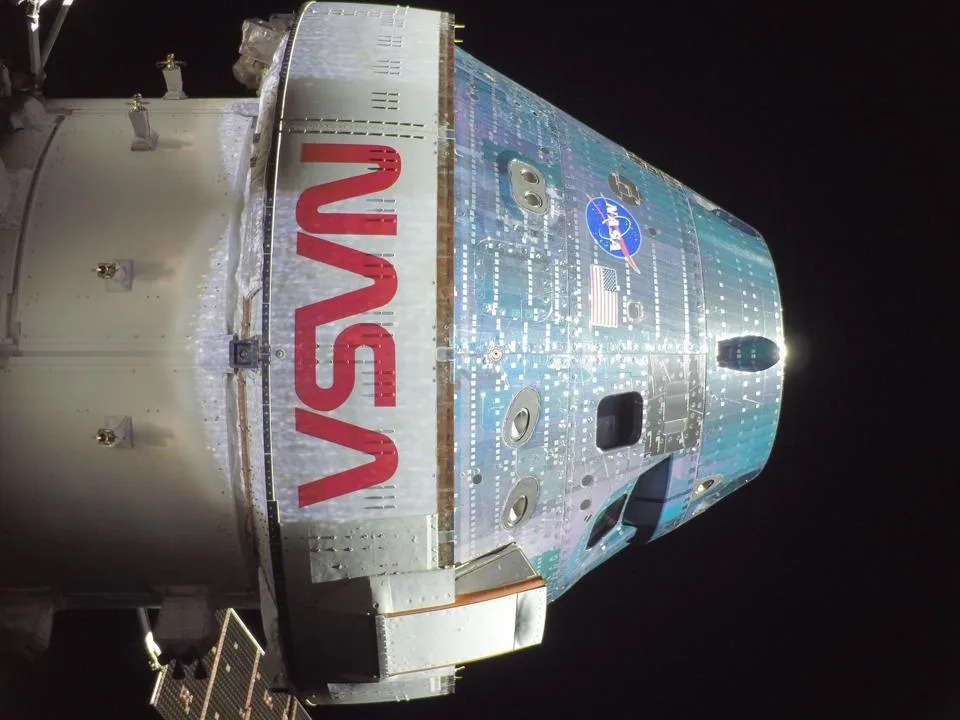
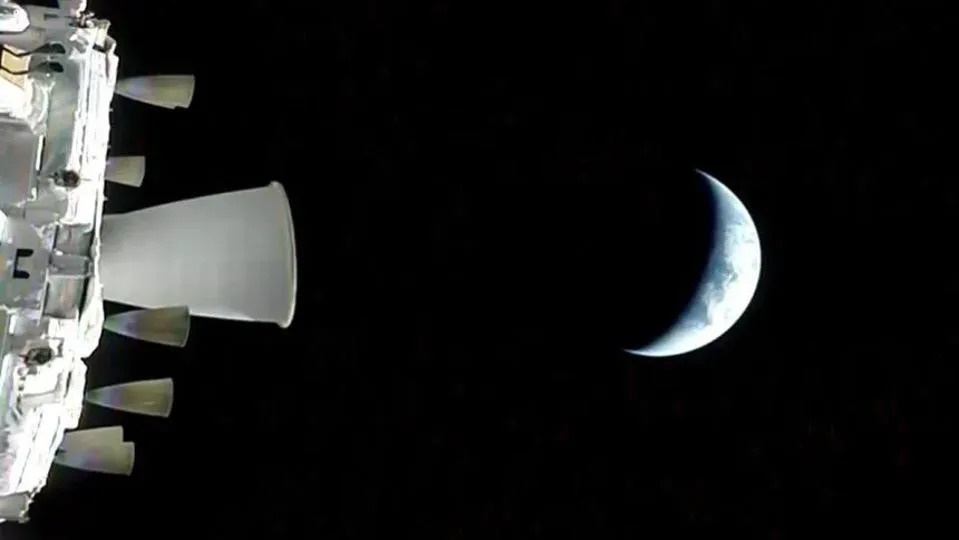
Orion snapped this high-resolution selfie in space with a camera mounted on one of its solar array wings during a routine external inspection of the spacecraft on the second day into the Artemis II mission.
NASAWhat’s Next For Artemis Ii
Orion will now take another two days to reach the moon, arriving on day six of the mission — Monday, April 6. The capsule will fly around the moon, reaching its closest point for a six-hour observation of the lunar surface — a period that may also include witnessing a total solar eclipse and potentially viewing comet C/2026 A1 (MAPS).
The crew will reach around 4,700 nautical miles (7,600 kilometers) beyond the moon’s far side before starting their journey back to Earth, with splashdown expected in the Pacific Ocean, off San Diego, on Friday, April 10.
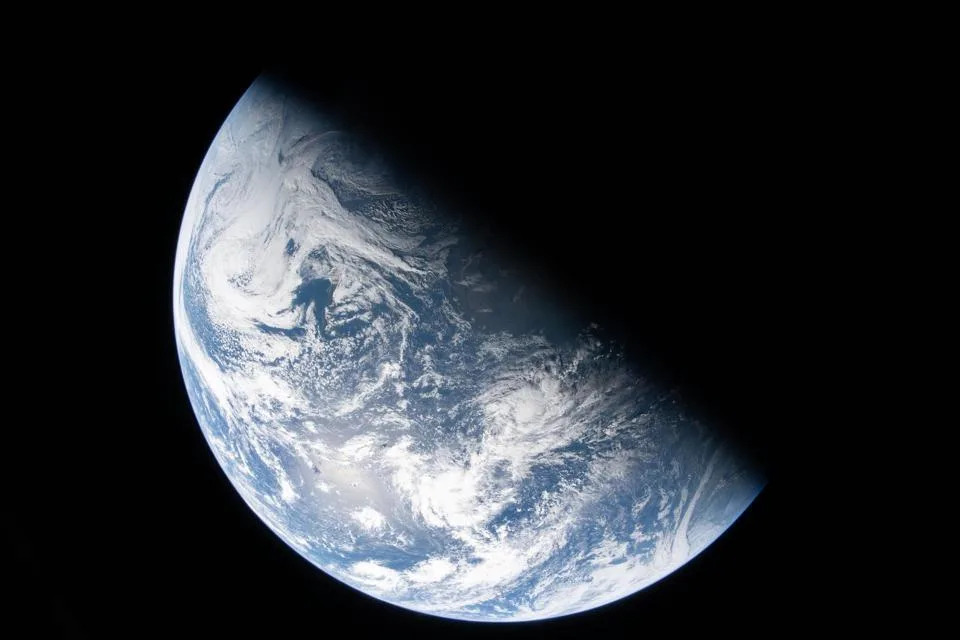
A view of Earth taken by NASA astronaut and Artemis II Commander Reid Wiseman from one of the Orion spacecraft’s four windows after completing the translunar injection burn on April 2, 2026.
NASAWhat Is Nasa’s Artemis Ii Mission?
The first crewed flight under NASA’s Artemis campaign is also the first time astronauts from any nation have traveled beyond low-Earth orbit since NASA’s final Apollo mission, Apollo 17, in 1972. Mission commander Reid Wiseman is accompanied by three astronauts, all of whom are claiming firsts. Pilot Victor Glover is the first Black astronaut to travel beyond low Earth orbit and journey toward the moon. At the same time, Koch is the first female astronaut and Canadian Space Agency astronaut Jeremy Hansen is the first non-American astronaut to do so.
Artemis II is a test flight, as is Artemis III, with Artemis IV — ambitiously scheduled for 2028 — due to land two NASA astronauts at the South Pole of the moon.
Further Reading
MORE FROM FORBESNASA: Artemis II Crew Now First Humans Beyond Earth Orbit Since 1972By Jamie Carter
MORE FROM FORBESNASA’s Artemis 2 Launches: 4 Astronauts Begin Moon MissionBy Jamie Carter
MORE FROM FORBESIn Photos: Artemis II Launches Orion Moonship On Iconic MissionBy Jamie Carter
MORE FROM FORBESNASA’s Artemis II Timeline: 8 Key Moments To Watch LiveBy Jamie Carter
MORE FROM FORBESArtemis II Update: NASA Crew Shares Earth Views — And Fixes ToiletBy Jamie Carter
MORE FROM FORBESMeet The First Female Astronaut To Go On A Moon MissionBy Jamie Carter

This article was originally published on Forbes.com