
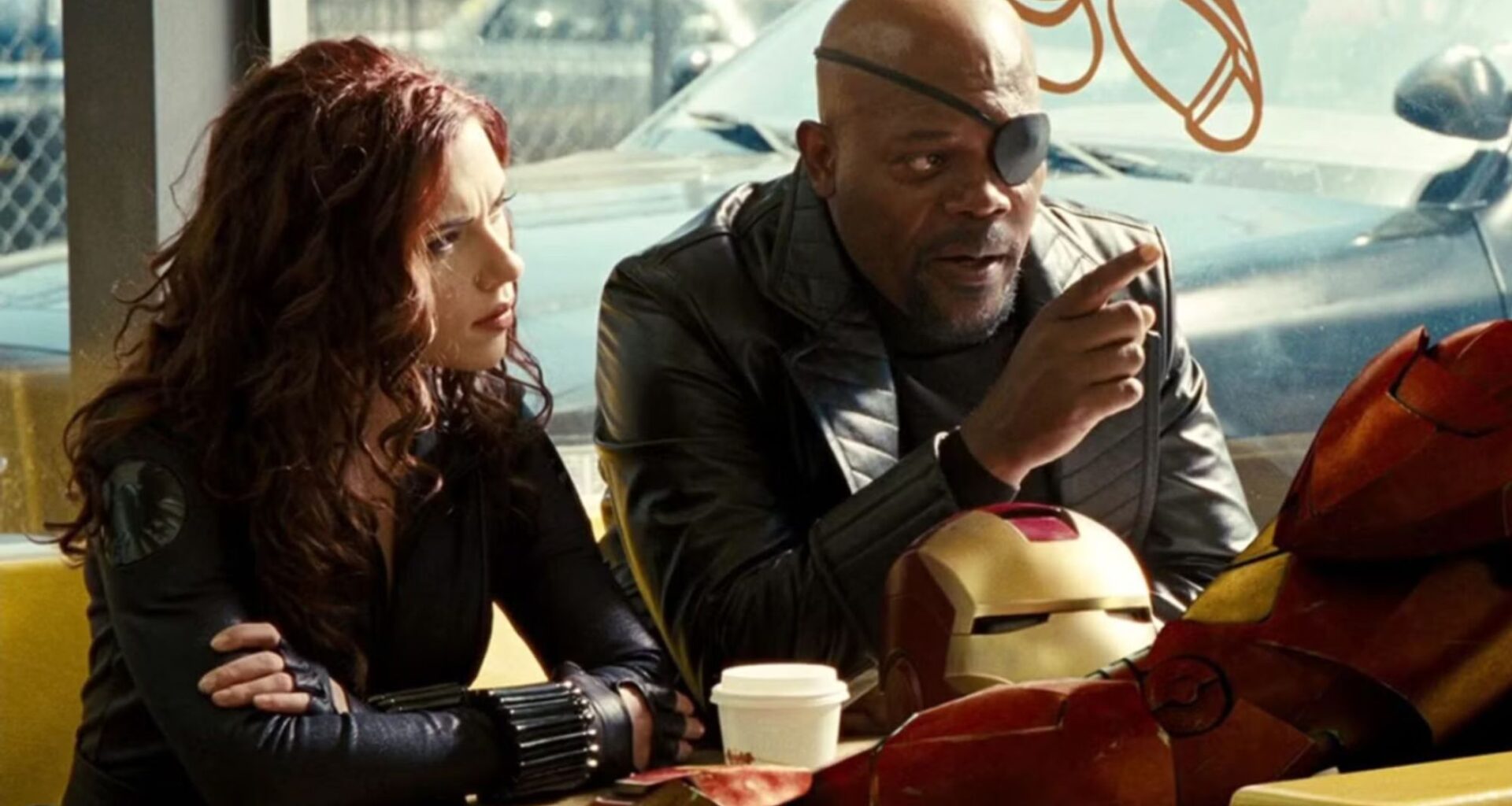
Today, it is genuinely difficult to picture the Marvel Cinematic Universe without Nick Fury (Samuel L. Jackson) or Natasha Romanoff (Scarlett Johansson) anchoring it. Jackson stepped into the role in the post-credits scene of Iron Man, a single appearance that announced the entire premise of a shared superhero universe to audiences who had never seen anything like it. Johansson followed two years later in Iron Man 2, immediately establishing Black Widow as a major part of the overarching story. Over the decades that followed, both actors became pillars of the biggest entertainment franchise in film history, logging appearances across dozens of MCU productions. Their interpretations of these characters are now so embedded in pop culture that fans treat them as inseparable from the roles themselves.
What many casual viewers have forgotten, however, is that Jackson and Johansson shared a screen in a superhero film before either of them ever set foot in the MCU. In December 2008, the same month The Dark Knight was cementing a new benchmark for the genre, the two actors appeared together in The Spirit, a neo-noir adaptation of Will Eisner’s iconic newspaper comic strip. The film holds the distinction of being the only feature directed solely by Frank Miller, the writer and artist whose previous credits as a co-director on Sin City had led to enormous commercial and critical goodwill. That goodwill, combined with the star power of his assembled cast, gave The Spirit every possible advantage heading into release. Unfortunately, the film used it poorly.
Why No One Talks About The Spirit Nowadays
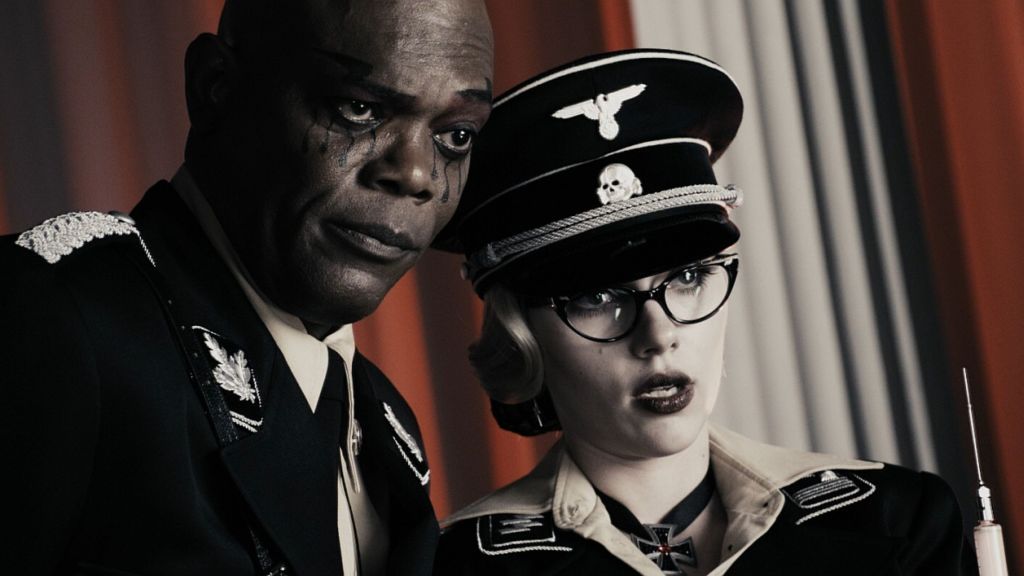 Image courtesy of Lionsgate
The Spirit arrived on Christmas Day 2008, a release date that placed it in direct competition with high-profile awards contenders and family films. Unsurprisingly, it opened to $6.4 million over its first four days, landing ninth at the box office. Plus, without a great word-of-mouth to reverse the catastrophic opening, the film’s final domestic gross reached only $19.8 million, with a worldwide cumulative of $38.4 million against a reported production budget of $60 million. Add market costs to that calculation, and The Spirit remains one of the biggest superhero flops ever. The critical consensus was equally severe. The Spirit holds a 14% approval rating on Rotten Tomatoes based on 114 reviews, with an average score of 3.6 out of 10, and a Metacritic score of 30 out of 100. Finally, audiences gave it a CinemaScore of C-, one of the more toxic grades a wide release can receive.
The creative failure at the center of The Spirit traces directly to Miller’s decision to apply the visual grammar he developed for Sin City to a property that was never designed to support it. Eisner’s original comic strip thrived on a fundamentally humanist tone, as its protagonist was a street-level everyman whose power derived from his vulnerability and moral clarity. Miller’s version replaced that framework with the stylized nihilism and noir excess of his own comic work, producing a film that felt like a lesser imitation of Sin City rather than an adaptation of a distinct property.
Even The Spirit‘s major stars came under scrutiny due to the poor direction of the project. For instance, Jackson’s performance as The Octopus drew particular criticism for its cartoonish excess, though a segment of the film’s minor cult following has since argued that his unrestrained energy represents one of the few moments of genuine entertainment the story provides. On her turn, Johansson, cast as his assistant Silken Floss, showed a sharp comic timing that went largely unrecognized amid the surrounding wreckage.
The film’s strongest attribute was its cinematography, which deployed the high-contrast digital backlot technique with genuine technical ambition. Nevertheless, technical ambition detached from any coherent narrative or tonal purpose was ultimately what critics identified as the symptom of a first-time solo director attempting to command a $60 million production without the structural support of a co-director like Robert Rodriguez, whose instincts for kinetic action had been instrumental to Sin City‘s success.
The Spirit is available to stream on Prime Video.
Do you think The Spirit deserves a reappraisal, or is the criticism fair concerning the movie’s shortcomings? Leave a comment below and join the conversation now in the ComicBook Forum!