
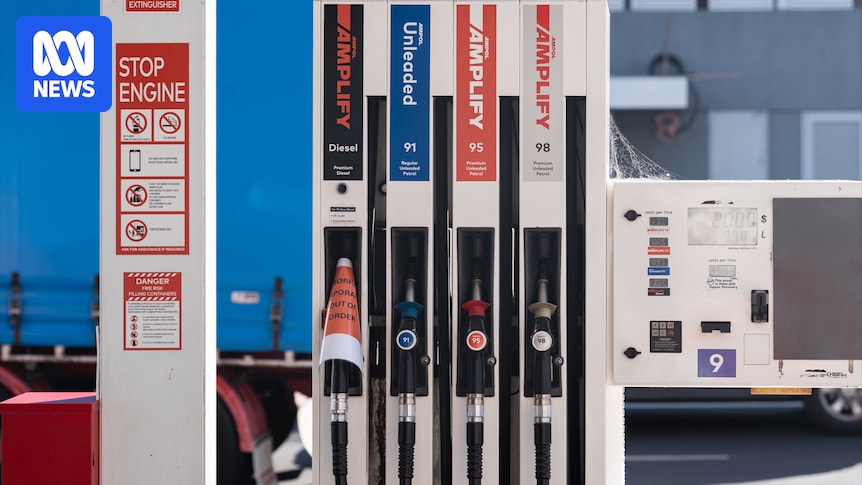
Motorists in New South Wales are being urged to report service stations that hike up their petrol prices as part of a government compliance blitz amid supply shortages.
NSW Fair Trading officers carried out inspections across 1,800 service stations in the past week, to ensure retailers were not engaging in misleading pricing and to combat suspected price exploitation following the fuel excise cuts.
During the blitz, there were 93 penalty notices issued, with at least 24 fines supported by consumer reports.
Over the Easter long weekend, inspectors are monitoring stations stretching from the Central Coast, north of Sydney to the state’s Central West to ensure compliance.
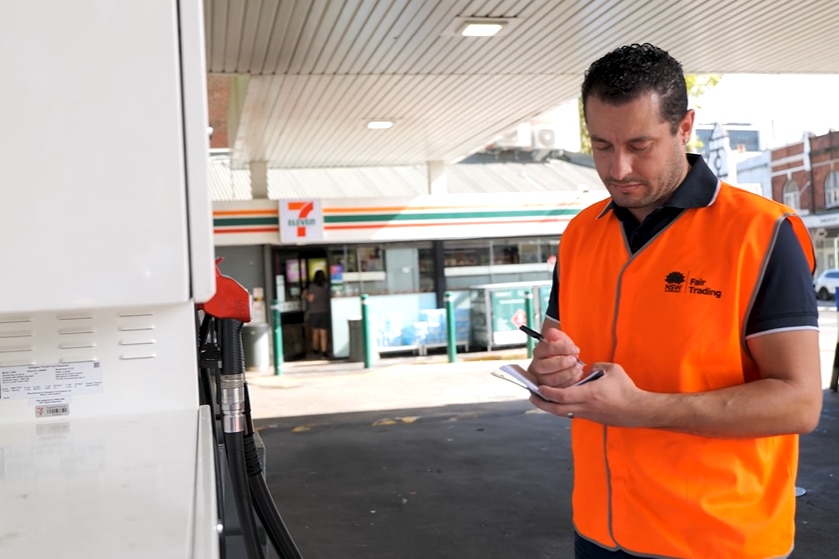
About 75 per cent of service stations in NSW were inspected by the beginning of April. (Supplied: NSW Government)
Minister for Better Regulation and Fair Trading Anoulack Chanthivong said most penalties were related to prices at the bowser differing from those listed on NSW Fuel Check — a tool that tracks petrol prices in real time.
“If I go to XYZ petrol station down the road and if it’s advertising $2.15, for 95, it should be $2.15 when I actually turn up,” he said.
“That is, the price that’s in the fuel check app is actually not the same price as it is at the bowser, which of course is not legal.”
Penalties can include on-the-spot fines of $1,100, as well as $22,000 for individuals and $110,000 for corporations.
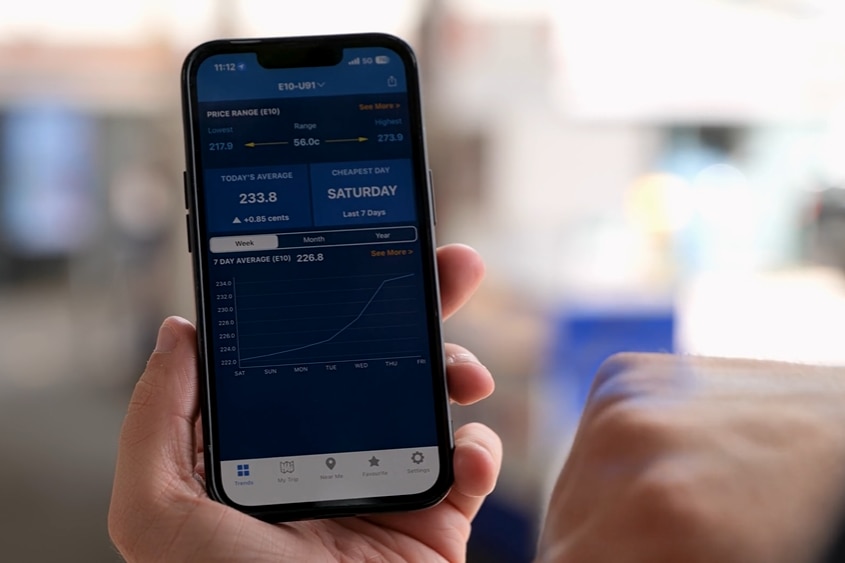
Since late March, daily visits to the app have skyrocketed from 10,000 to 500,000. (Supplied: NSW Government)
To assist with fairer fuel pricing, Mr Chanthivong said the government would inject $2.2 million into the Fuel Check website and app to improve its data collection.
He said users of Fuel Check had jumped from 10,000 to 500,000 a day by late-March as motorists scrambled to find the cheapest fuel prices.
“The government won’t tolerate those who are trying to take advantage of their fellow Australians,” he said.
“It’s such a difficult time when, you know, given the conflict, it’s resulting in high petrol prices, which is flowing through the whole economy and really putting pressure on people’s cost of living.”