
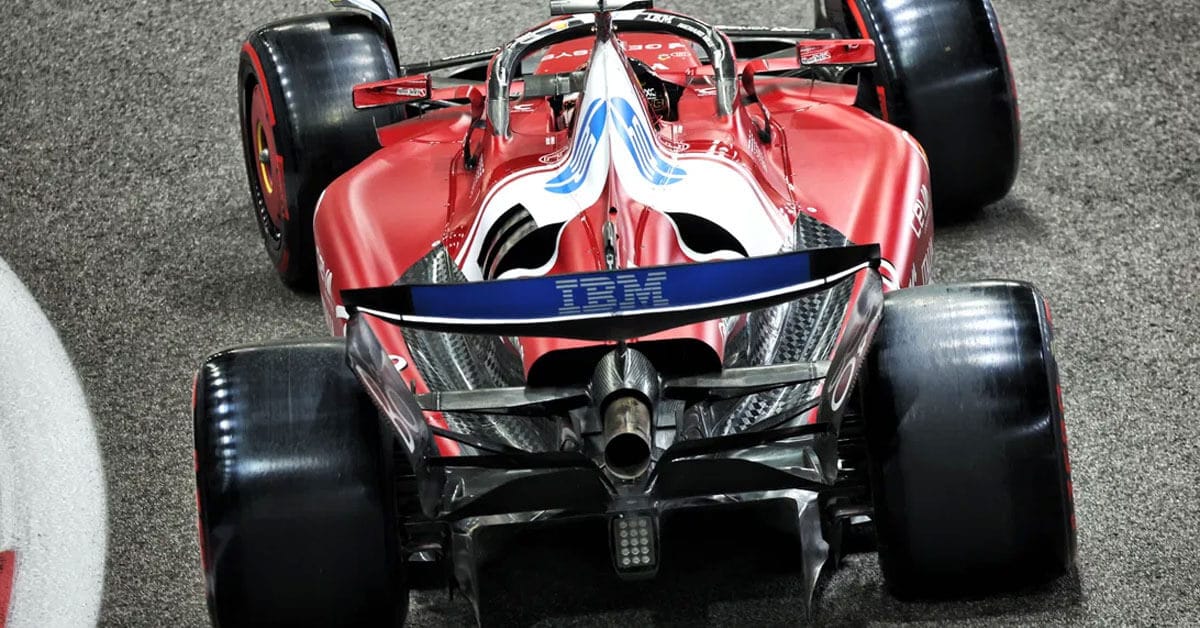
As the 2026 Formula 1 season continues following the first three rounds of the championship, intense discussions are underway regarding potential adjustments to the current technical regulations. A key meeting involving all F1 teams, the FIA, and Formula 1 management is scheduled in the coming days to examine possible changes to the 2026 power unit rules. Among the most talked-about topics is whether teams could revert to 2025-spec engines or even reintroduce V8 power units, a prospect that has sparked widespread debate among engineers, team principals, and fans alike.
Multiple proposals are reportedly on the table, ranging from conservative tweaks to highly experimental concepts aimed at balancing performance, cost, and sustainability. However, sources close to the FIA and several technical directors have cautioned that any major regulatory overhaul would require significant adaptation time. Strict limits exist on how much teams can modify their cars mid-season or between consecutive seasons, and exceeding these constraints could make compliance practically impossible, forcing teams to stick to the designs already under development for 2026.
Historically, Formula 1 has seen similar scenarios. For example, during the Australian Grand Prix discussions in the previous season, the FIA proposed certain technical enhancements, but multiple teams rejected them due to extremely tight deadlines. Industry insiders note that if minor mid-season changes are already challenging, attempting a comprehensive redesign for 2026—such as reintroducing 2025 engines or switching to V8 units—would be an immense logistical and financial burden.
The Challenges of Reverting to 2025 Engines or V8 Power Units
Recent speculation has centered on whether 2026 cars could accommodate a return to 2025 engines or even the classic V8s. Spanish F1 journalist Albert Fabrega addressed the issue, stating that such a move is technically unfeasible. The primary obstacle lies in the fundamental design differences between the current 2026 cars and older power units. Weight distribution, cooling architecture, and overall power output vary drastically between engine generations, meaning that fitting a completely different engine would require designing a new chassis from scratch. With the existing budget caps in Formula 1, this level of development is simply unmanageable.
In addition, any switch to older engines would involve an extensive development cycle. Teams would need to conceptualize, design, and test the new power units before they could even be integrated into race cars. This process also includes guaranteeing reliability, spare parts availability, and compliance with F1 safety standards. Industry experts estimate that developing a new engine configuration from the ground up would take at least three years, ruling out any medium-term implementation for the 2026 season.
Another concern highlighted by analysts is the potential withdrawal of some manufacturers who have invested in current or future power unit technologies. Reverting to older engines could undermine the competitive intentions behind the 2026 regulations and discourage innovation. For this reason, the most realistic path forward appears to be fine-tuning the balance between thermal combustion and hybrid electric power rather than a wholesale engine change. Such incremental adjustments could optimize performance without violating budget restrictions or technical feasibility.
Attempts to return to 2025-spec engines face similar constraints. Teams like Audi, which have entered F1 with entirely new power unit programs, do not even have access to older engines, making any reversion impossible. Consequently, both F1 engineers and team principals are focusing on extracting maximum efficiency from the current 2026 power unit rules while keeping long-term competitiveness in mind.
 Implications for Ferrari, Lewis Hamilton, and Charles Leclerc
For Ferrari, the ongoing engine debate is closely watched, as both Lewis Hamilton and Charles Leclerc are driving high-profile campaigns under the 2026 regulations. Optimizing the balance between internal combustion power and hybrid deployment will be critical for the Scuderia, especially as Mercedes continues to lead in power unit performance. Technical directors at Ferrari have reportedly been evaluating potential software and hardware updates that comply with the existing rules while aiming to narrow the gap to their rivals. Any regulatory delays or reversions could significantly impact Lewis Hamilton and Charles Leclerc’s chances of challenging for race wins and championship points.
Overall, while the idea of reverting to 2025 engines or V8 power units makes for intriguing headlines, insiders agree that practical, rule-compliant solutions will likely involve evolutionary adjustments rather than revolutionary changes. Fans can expect incremental updates focused on hybrid strategy, thermal efficiency, and power unit optimization, rather than a dramatic return to older engines.
Stay tuned for more updates on Ferrari, Lewis Hamilton, Charles Leclerc, and the evolving 2026 Formula 1 regulations as the season approaches. For expert analysis and the latest technical insights, follow ScuderiaFans.com.
Apr 4, 2026Sofia Bianchi
Let other Scuderia Fans know about us


