
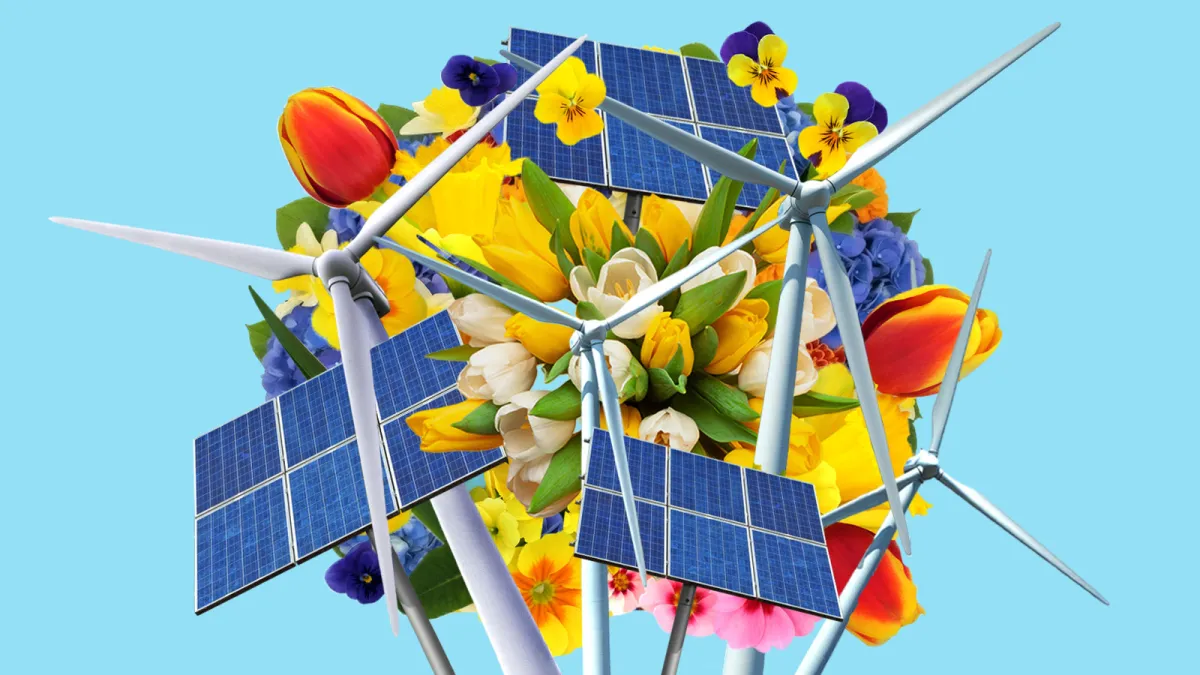
As children hunt for chocolate eggs and families cook Sunday lunch, something unprecedented could take place in the country’s electricity system this Easter.
Britain could be powered entirely without fossil fuels for the first time.
The body that keeps the lights on is now preparing for the moment renewables and nuclear power everything — even if just for a few minutes. It would be the first time in 144 years the UK has not relied on fossil fuels.
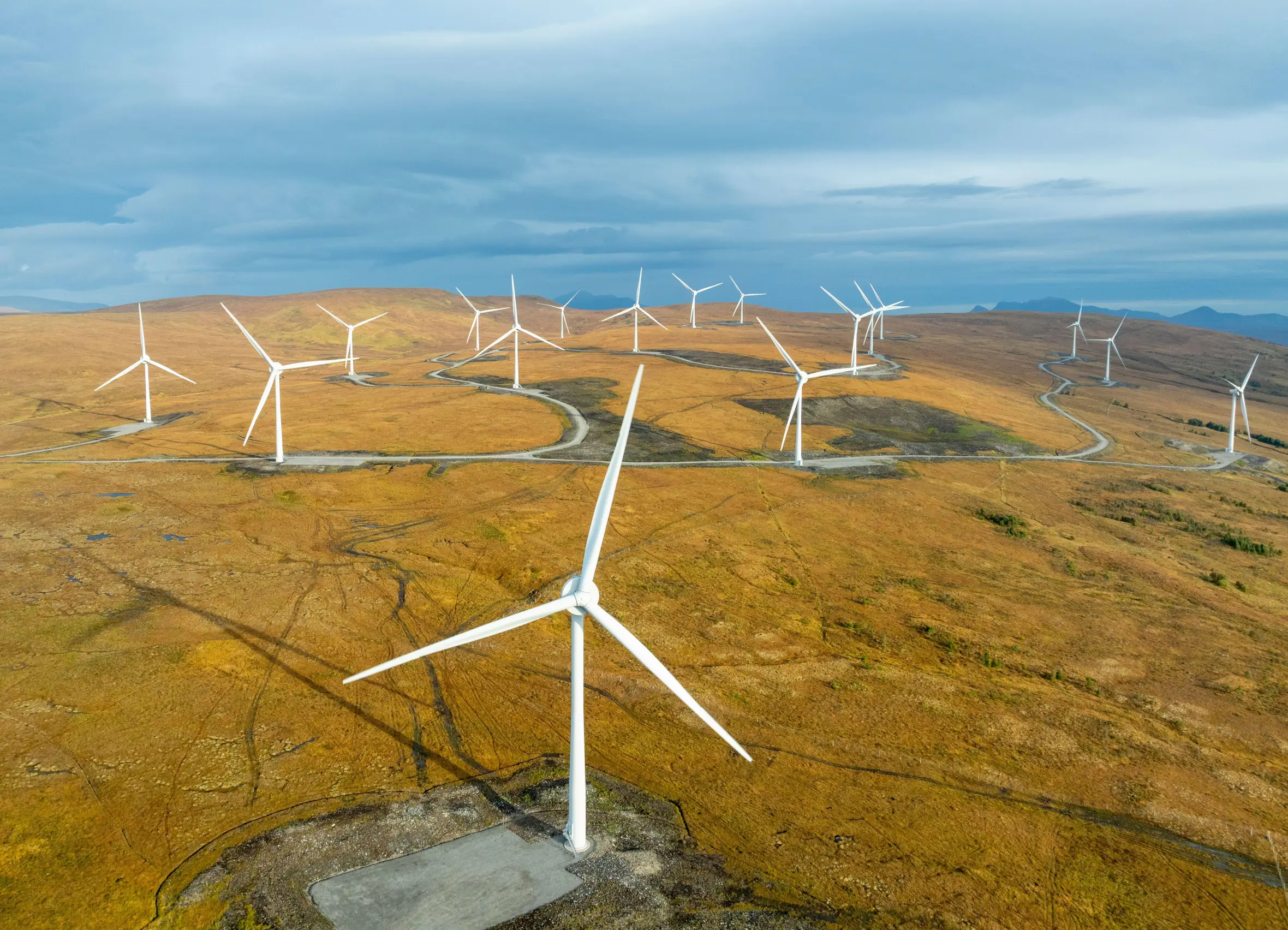 Wind turbines near Altnaharra in SutherlandAlamy
The milestone was almost met last month with a new record, but gas still supplied 2.3 per cent of electricity.
When the precise moment falls will depend on our mercurial weather. The National Energy System Operator (Neso), which runs the transmission grid, thinks the shoulder seasons of spring or autumn are the most likely. In previous years, April has come close.
Thomas Edison, the American inventor, opened the country’s first coal power station in 1882. The amount of coal, gas and oil generating electricity has ebbed and flowed in the decades since, with coal finally phased out in 2024.
Environment newsletter
The latest climate, energy and nature news and analysis, plus reasons to be hopeful.
Sign up with one click
Now, with a growing number of wind farms, solar panels and batteries on the energy system, Neso thinks it’s ready for what it refers to internally as a “gold window” of operating with zero carbon emissions. That’s the moment when, for a fleeting half hour, homes and businesses are powered entirely without burning fossil fuels.
If it happens in the daytime, it’ll likely be around noon, driven by high output from solar panels and windy weather. The other likely candidate is overnight when demand is low in the early hours, with wind farms backed up by supply from Drax’s biomass plant in Yorkshire and cables across the sea to Norway, France and Denmark.
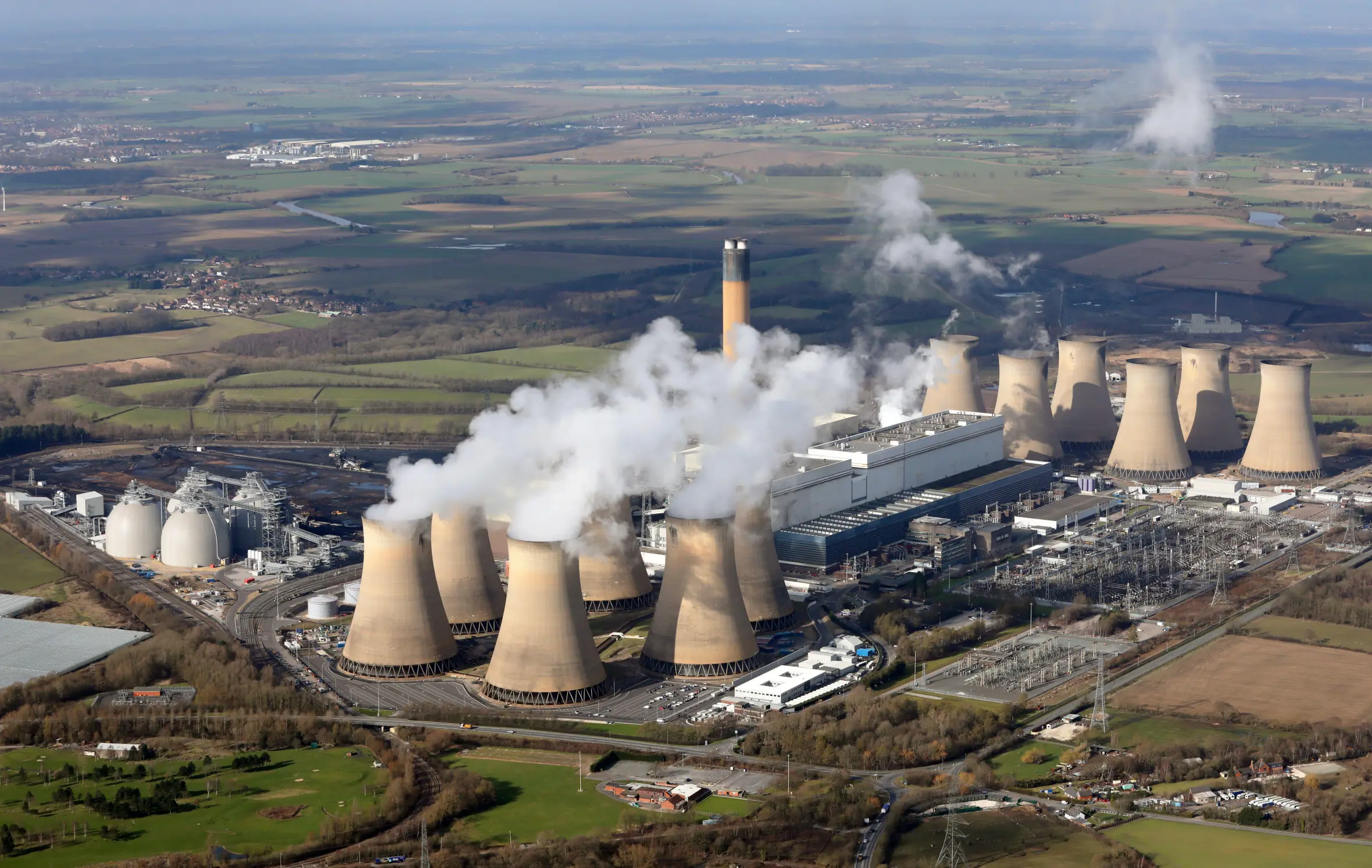 The Drax power station in North YorkshireAlamy
“We look forward to seeing if we can break the ultimate record of running Britain’s electricity grid entirely zero carbon in the months ahead,” said Craig Dyke, director of system operations at Neso.
When it comes, the moment will be largely symbolic. However, Neso argues that it’s important because it would disprove a narrative that a system reliant overwhelmingly on renewable energy doesn’t work.
It would also be a huge engineering feat. Portugal was first to achieve the breakthrough. As an island nation, operating entirely without fossil fuels is a bigger challenge for Great Britain than continental Europe, where countries can rely on “inertia” from other countries.
Inertia is the kinetic energy that helps the frequency of mains electricity stay close to 50Hz. It’s created by heavy spinning turbines found in coal and gas power stations, so Neso is instead relying on machines known as synchronous condensers to mimic the effect.
More practically, with households told this week they face energy bills rising potentially 18 per cent in July to a typical £1,929 a year, interludes without fossil fuels offer the allure of cheaper bills.
Gas prices have surged since the Iran conflict began. The way power markets work means gas almost always sets the wholesale electricity price. During periods of zero-carbon operation, Neso expects wholesale prices to be low — though it doesn’t give an exact figure.
The body, which was taken into public ownership in 2024, has been preparing for its first fossil fuel-free moment since it set the goal in 2019.
The grid has exceeded more than 90 per cent carbon-free power every month this year, underscoring the potential to hit 100 per cent.
A huge transformation of the energy system has made this possible. Wind and solar have gone from 3 per cent of electricity supply in 2000, to 44 per cent last year. Almost two million homes now have solar panels. Turbines nearing the height of the Shard dot the North Sea.
Crucially, battery storage technology has taken off hugely, filling in when the sun is down and the wind does not blow. Battery capacity has grown from about 1GW in 2020 to 5GW today, the equivalent of several major power stations.
Dr Simon Evans, a senior policy editor at the website Carbon Brief, said: “Neso has been working towards this goal since 2019, contracting with battery storage sites but also ‘synchronous condensers’, an old technology that is getting a new lease of life, helping to keep the grid of the future stable.”