
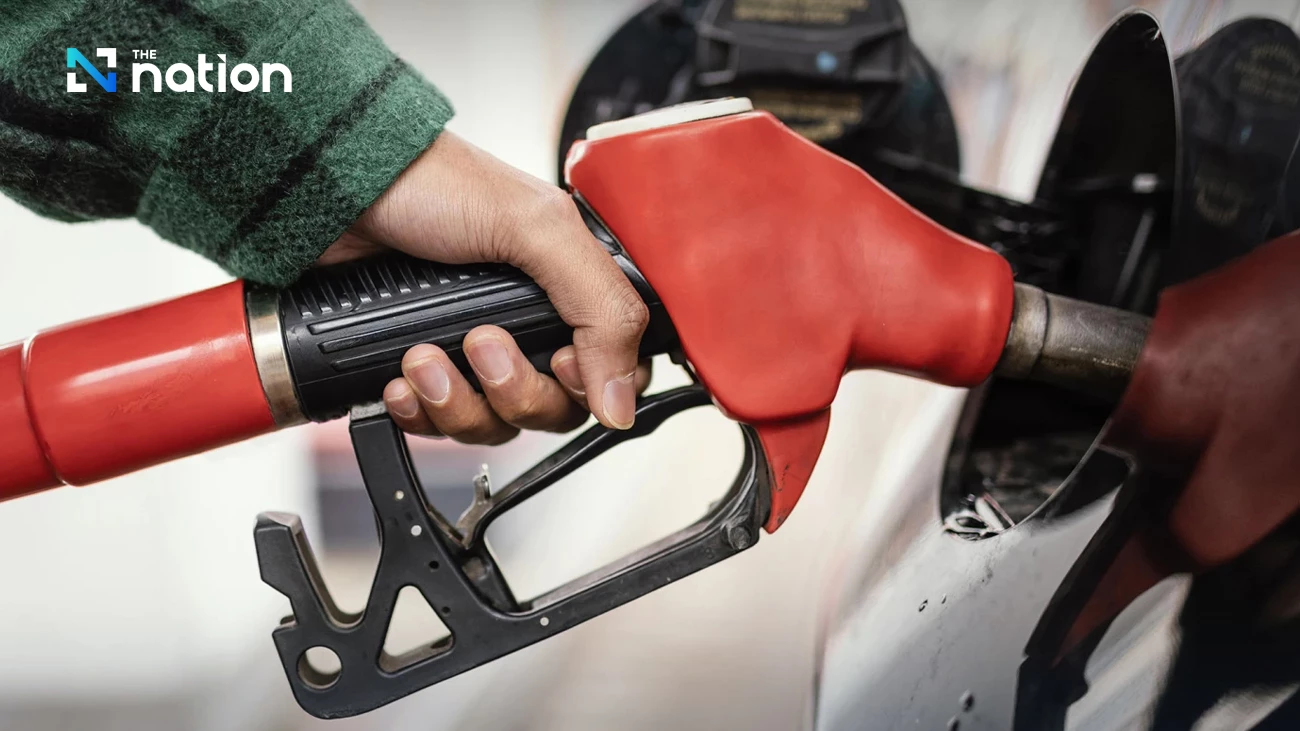
The findings suggest that the combined pressure of energy costs, general inflation and unfavourable weather could weigh on holiday participation during one of Thailand’s busiest travel and spending periods.
Many plan to cut back or stay close to home
To cope with higher expenses, 51.42% said they planned to skip festive activities in order to save money. Another 39.62% said they would avoid long-distance travel or not return to their hometown and would stay home instead, while 37.50% said they would travel only near home or within their own province to reduce transport costs.
These responses point to a more cautious Songkran, with many households adjusting their celebrations to fit tighter budgets.
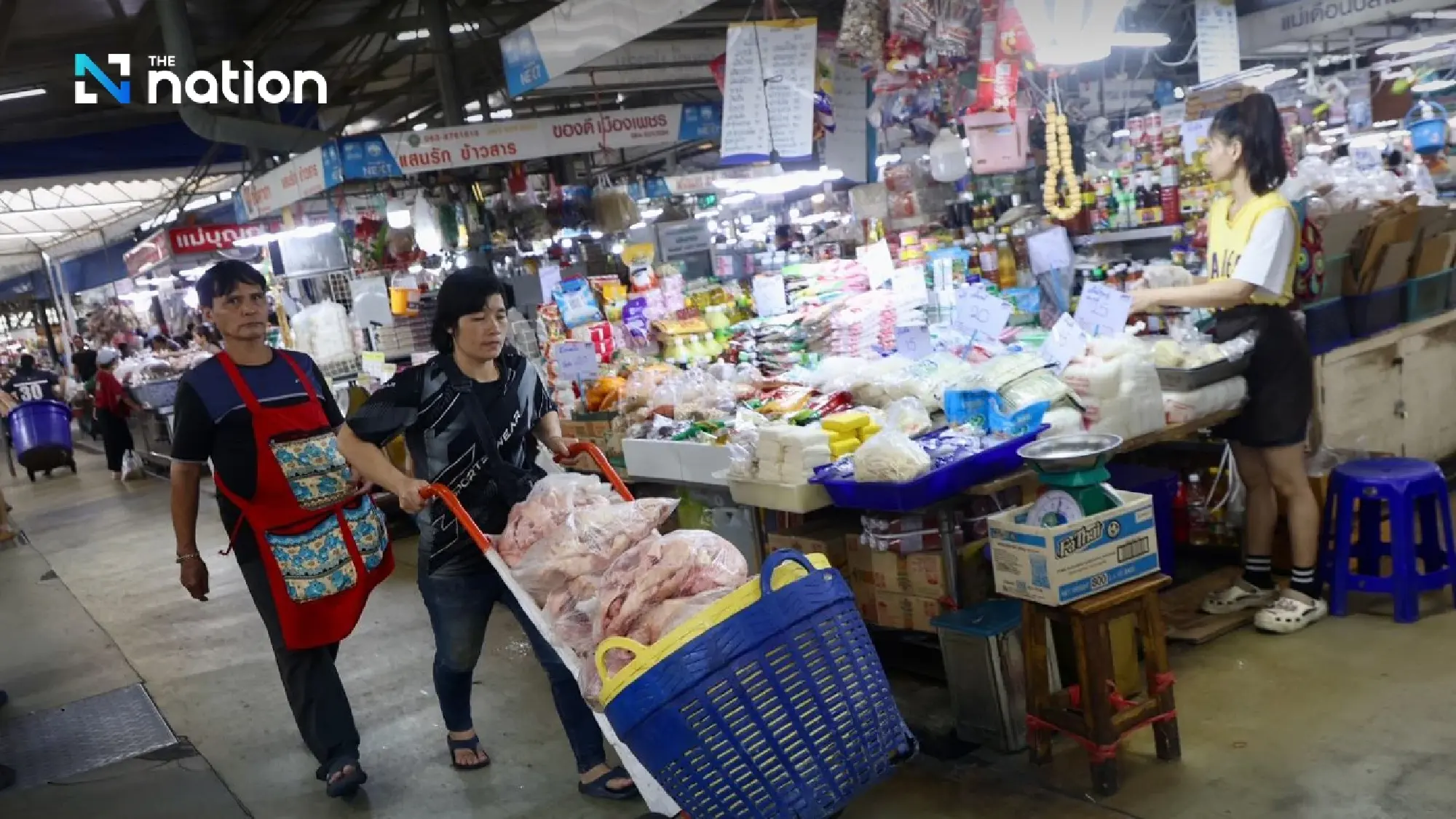
Savings emerge as the main source of holiday spending
When asked where their Songkran spending money would come from, 47.41% said they would use their savings. Another 22.17% said they were still unsure where the money would come from, while 21.93% said they had no budget for the period at all.
Some 13.92% said they would use credit cards, while 9.67% said they would borrow from relatives, friends or acquaintances. The average expected Songkran spending was estimated at 8,935.74 baht.
Public calls for price controls and fuel relief
Asked what they most wanted the government to do to ease the burden during Songkran, 75.94% said it should seriously control consumer goods prices. Another 69.34% wanted help with fuel costs, such as a co-payment scheme, while 58.49% called for measures to stimulate local economies so people could earn more income.
Tax cuts or fuel subsidies were backed by 42.92%, while 37.26% wanted help in lowering travel costs such as fares and expressway fees. Multiple answers were allowed.
Suan Dusit Poll said the findings reflect growing pressure on households, with many people feeling they can no longer cope with the rising cost of living and being forced to draw on savings during Songkran.
The poll said the issue is no longer just about seasonal price rises during a festival period, but has become a key test for the government in maintaining economic stability and public confidence. It also warned that high prices, especially fuel costs, are influencing people’s Songkran plans and could weigh on the wider economy, even though holiday spending may still offer some support.