
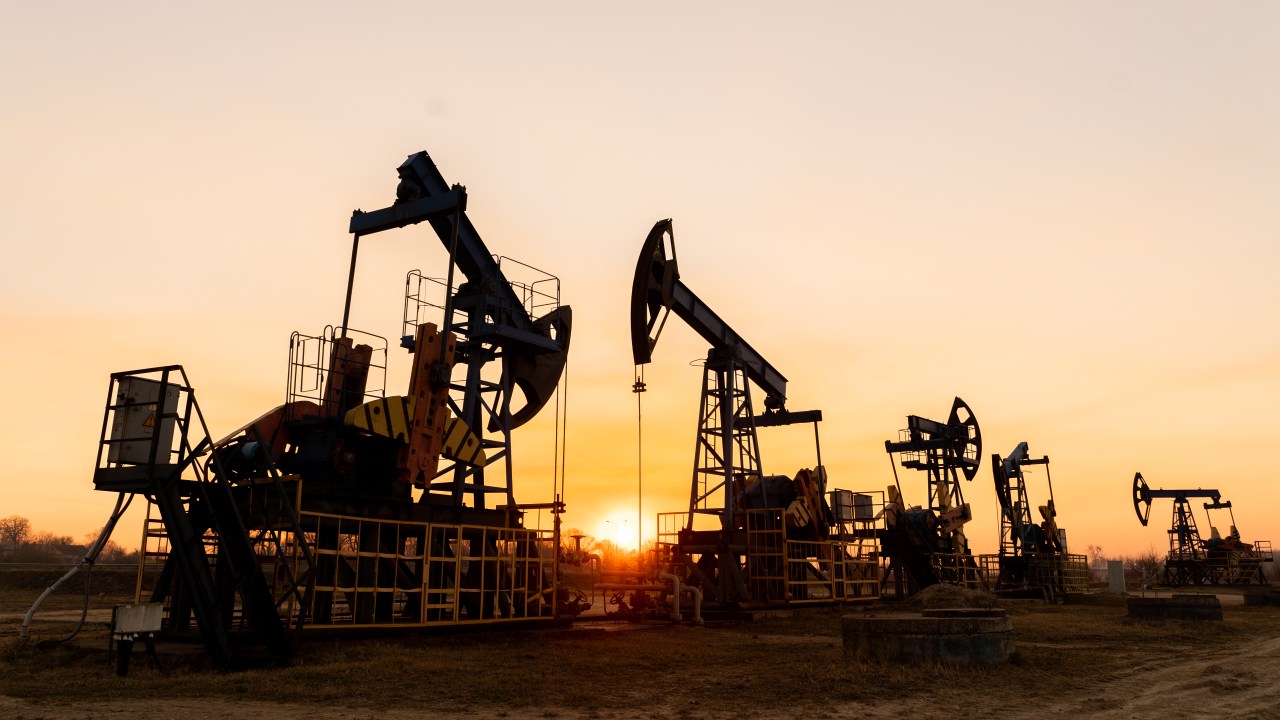
MST Financial energy analyst Saul Kavonic has claimed Australia “ceded our fuel security to foreign powers”, with the current crisis a sign the nation must rebuild the oil industry to address economic and national security risks.
As the Iran war stretches into its sixth week, the knock on effects on the global economy continue to pose serious questions for the Albanese government.
Despite moving to install a fuel supply coordinator, temporarily slashing the fuel excise and working to secure more imports, hundreds of petrol stations remain without stock and critics have argued the government is failing to implement long-term plans to mitigate future shocks.
“This is a wake up call for Australia to become more self sufficient in fuel again. The next disruption to maritime trade could occur closer to home in the Pacific, leaving Australia without any fuel, and our economy would grind to a halt within weeks,” Mr Kavonic told Skynews.com.au.
“Australia must act to avert the economic and national security risks posed by our fuel import dependence.”
There is an emerging split among some energy experts over what steps the nation should take, however, with some arguing the disruption demonstrates the clear need to further invest in renewables and encourage the uptake of electric vehicles.
Mr Kavonic, though, disagreed, arguing “renewables are simply not practical to replace jet fuel and diesel at this time”.
Instead, he echoed calls from Nationals leader Matt Canavan and others, who have claimed the shock proves Australia must urgently rebuild its domestic oil industry.
“Government hostility towards oil exploration and production has ceded our fuel security to foreign powers, many of which are hostile,” Mr Kavonic said.
“Australia needs to produce more oil again. This is the cheapest way for Australia to become more fuel sufficient.
“Australia used to be largely self sufficient, but as our oil production dropped we are now left completely dependant in imports and vulnerable to global oil market shocks.”
Critics of the plan have highlighted the cost of building new refineries, which Mr Kavonic acknowledged would be priced around $15 billion, but the economist suggested this represented good value so long as exploration was boosted to ensure steady supply of crude.
“Refinery capacity is useless without the crude oil to put into the refineries,” he said.
“Exploration for new oil is also needed before we could become self sufficient.
“Oil resources in the Taroom Trough in Queensland and Bedout Basin offshore WA (Western Australia) could provide up to a third of Australia’s fuel needs.”
As it stands, the government is showing no signs of shifting its approach, with Assistant Foreign Minister Matt Thistlethwaite on Sunday maintaining Labor was focused on “putting in place contingencies” to manage the current crisis rather than devising a new long-term strategy.