
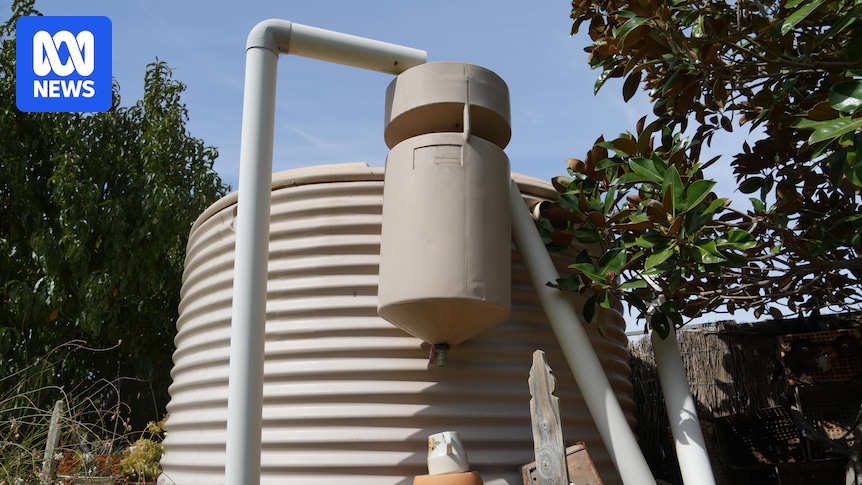
The price of polyvinyl chloride (PVC) plastic, used for pipes and other building materials, has risen by more than 30 per cent as the war in the Middle East rages on.
The price increase is another blow for Australia’s construction industry, which is already struggling to keep up with demand.
Iran war live updates: For the latest news on the Middle East crisis, read our blog
Loxton Irrigation Centre, based in South Australia’s Riverland, has been forced to scale back its operation and cancel orders.
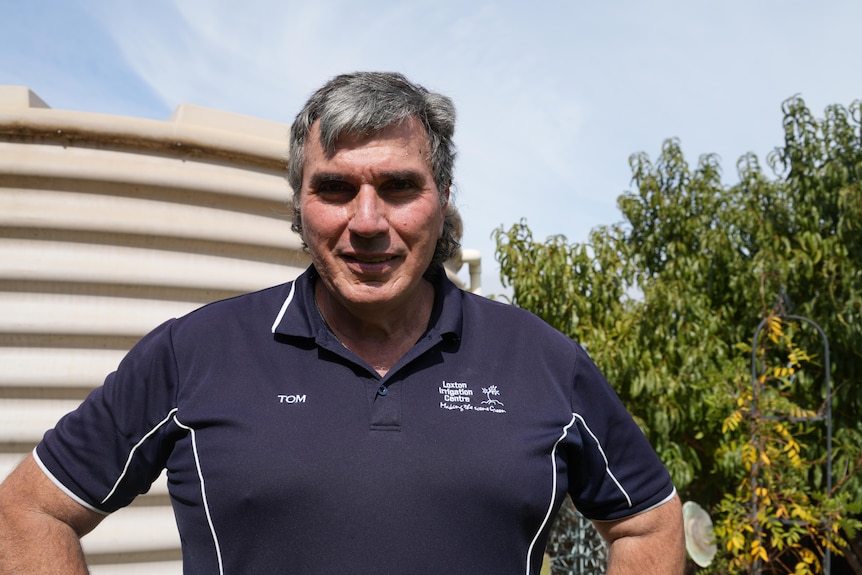
Tom Drakopoulos says irrigators are looking at delaying projects because of the increased cost of PVC. (ABC Riverland: Jackson Byrne)
“[My suppliers] are cancelling any quotes they’ve given for next month or the rest of this month because it’s dire straits,” co-director Tom Drakopoulos said.
“It’s not just the price increases — there are also concerns about supply.”
Master Builders SA chief executive Will Frogley said the price increases and supply issues were “definitely worrying”.
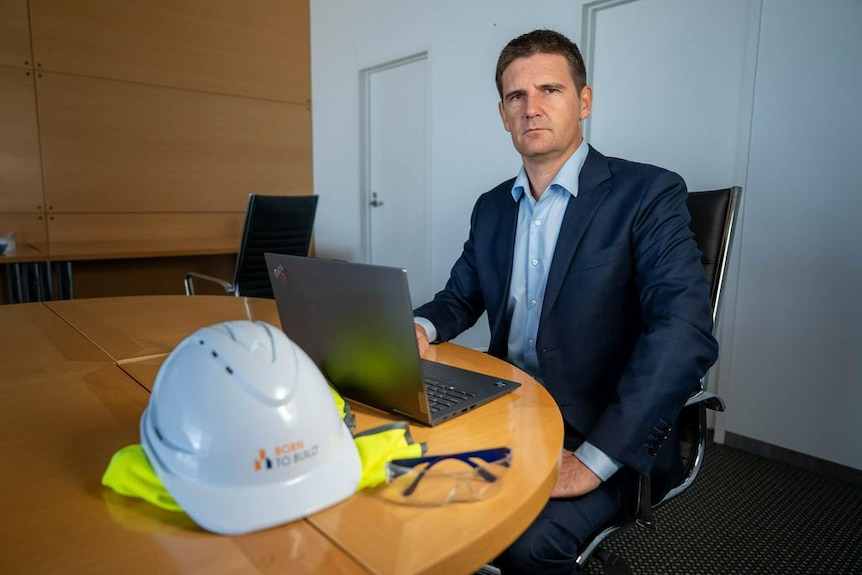
Will Frogley says productivity issues due to the shortage of supplies could create a backlog for the building industry. (ABC News: Lincoln Rothall)
He said the industry had already dealt with steep rises in operating costs in recent years and would be forced to pass on the new prices.
“The ramifications are so much greater than just paying an annoyingly high amount for petrol at the pump,” Mr Frogley said.
“People don’t know how much it’s going to cost to build [and] we don’t know how long the conflict in Iran is going to last.
“If you can’t lay the pipes at the start of the job you can’t lay the slab, and that can really grind things to a halt, which we’re desperately trying to avoid.”
LoadingAnother blow to farmers
Irrigators looking to transition away from struggling crops, including wine grapes, could also be slugged with thousands more in costs.
In the Riverland, Berri Irrigation and Plumbing owner Michael Jungfer said he would have no choice but to pass on the costs.
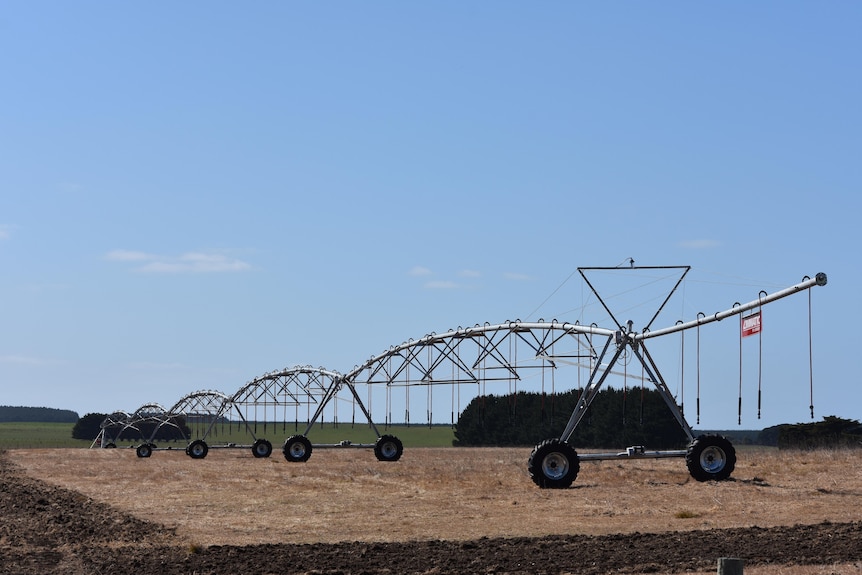
Growers across the country are already struggling. (ABC South East SA: Selina Green)
“They’re quite significant increases, which is going to impact a lot of people,” he said.
“It’s going to increase our expenses. We may have to reduce staff and cut costs where we can.”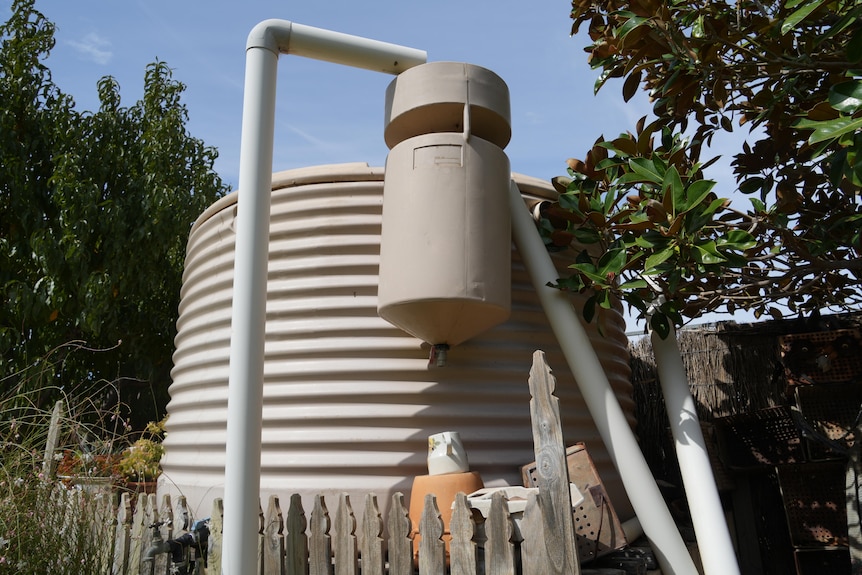
The cost of polyethylene, used to make water tanks, has risen by more than 30 per cent because of supply issues. (ABC Riverland: Jackson Byrne)
Mr Drakopoulos said it was unfair that farmers were once again being asked to “find a way” to get through a difficult period.
“Imagine you’ve got a budget and then get told it could blow out by 30 or 40 per cent,” he said.
“Farmers can’t meet season demands if they don’t know when this material will arrive.”
Building expenses soar again
It is not just PVC that has been affected by ongoing conflict overseas. Mr Frogley said other materials such as polyethylene, concrete and steel had also been impacted.
He said many builders were worried they would not be able to continue honouring fixed-price contracts.
“If the cost of materials significantly increases it can be very hard for builders not to lose money,” Mr Frogley said.
“If these material shortages start to bite, apprentices are particularly vulnerable when there’s a sharp downturn.”
Andrew Clarke says he is confident the construction industry will push through the uncertainty. (ABC News: David Frearson)
The knock-on affects of the increased costs are yet to be fully realised, but Master Plumbers SA chief executive Andrew Clarke said most operations would continue as usual.
“At this point in time everything’s still status quo. Homes will still be built,” he said.
“There’s pressures on subcontractors who have fixed prices to build homes because they are going to get hit with a PVC increase.
“But the increase to a new home is not hundreds of thousands of dollars — for the sewer piping system it will probably go up around $400 to $500.”
‘Just like the pandemic’
Mr Clarke said the situation reminded him of the COVID-19 pandemic, which led to unprecedented demand for building supplies and triggered price rises.
Mr Frogley also remembers the effects of the pandemic on construction vividly.
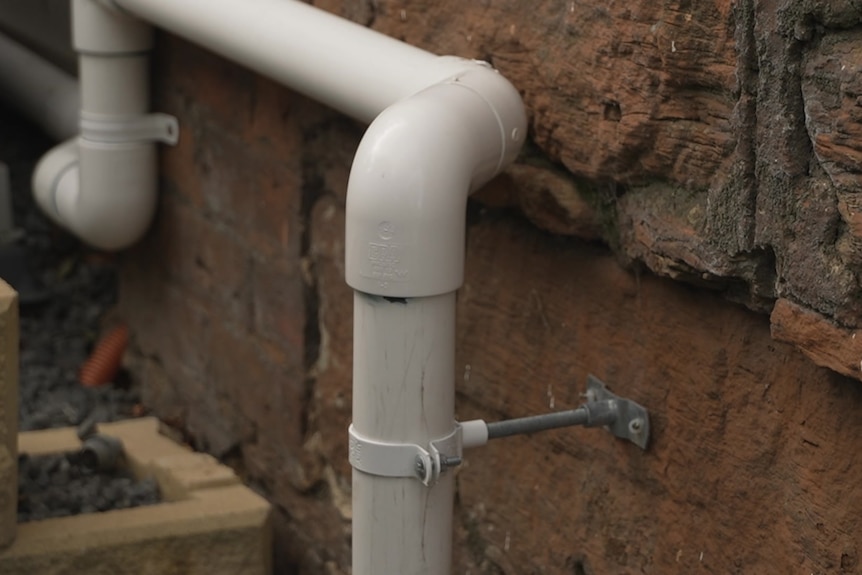
Pipes must be laid at the beginning of the construction process. (ABC News)
He said Master Builders SA had requested that rise-and-fall clauses for long-term infrastructure projects be implemented for state government contracts.
Those clauses allow a contract price to be adjusted according to fluctuations in labour or material costs.
Mr Frogley acknowledged there might be some pushback, but insisted it was the best way to ensure projects were delivered on time.
“Rise-and-fall clauses really took a lot of risk out of the market,” he said.
“We’d also really encourage the ACCC to keep an eye on some of these price increases from suppliers.”
Will Frogely wants to see the SA government bring back measures used during the pandemic. (ABC News: Lincoln Rothall)
No plans for variable loans ‘at this stage’
A state government spokesperson said it continued to “monitor global economic conditions”, including supply chain pressures and input costs.
The government said it was considering feedback from Master Builders SA but has not made a decision on the association’s calls to re-implement rise-and-fall loans.
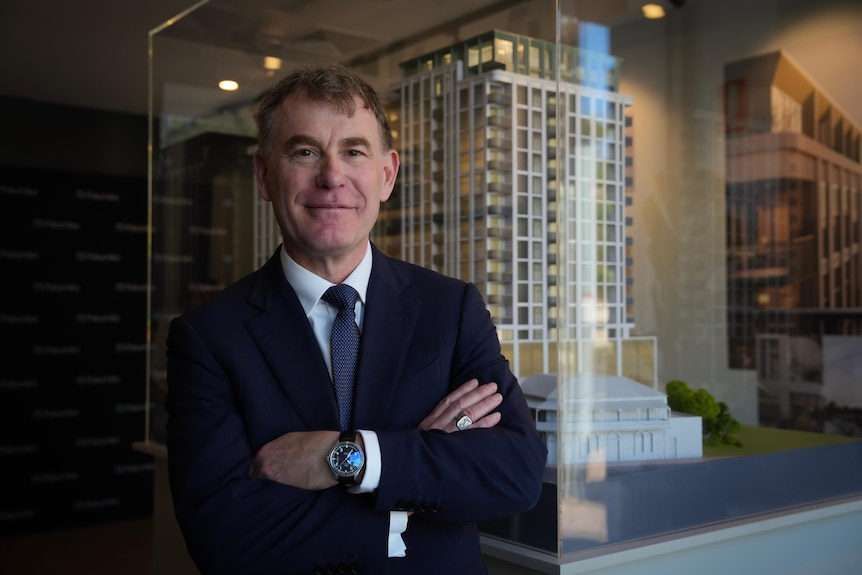
Nick Champion says the federal government needs to be more hands-on if housing targets are to be met. (ABC News: Briana Fiore)
SA Housing Minister Nick Champion said he believed national accord targets “need to be reformed”.
“They don’t include things like retirement living or student accommodation,” he said.
“We think it’s good to have an ambitious target, but the federal government does need to monitor and adjust it in order to help meet it.”
An update to the National Housing Accord was agreed to by the federal and state and territory governments in August 2023.
It outlined a plan for the construction of one million “well‑located” over five years from mid‑2024.
“It was always a very ambitious target — we were basically asked to build a record number of homes each and every year for the next five years,” Mr Frogley said.
“We’re about 17,000 homes short [in South Australia] over the next four to five years.”
Loading…