

IN BRIEFDonald Trump has named Australia in a list of key allies accused of non-assistance during the ongoing war in Iran.He said that Iran could be “taken out” in one night “and that night might be tomorrow night”.
A key Australian government minister has said the United States may have to go it alone after US President Donald Trump named Australia in a sprawling list of key military allies he criticised for not helping with its war with Iran.
Attorney-General Michelle Rowland said Australia’s position has been and remains to call for an “urgent de-escalation” of the war in the Middle East.
She said repeating those calls is the best thing Australia could do, and that Trump had made inflammatory comments like this before.
“I think ultimately the United States will need to answer for itself,” she told ABC radio.
Trump again lamented NATO allies’ refusal to get involved in reopening the Strait of Hormuz and their hesitance to assist US offensive operations against Iran, despite not consulting the defensive alliance before launching the war alongside Israel on 28 February.
But as he wrapped up his lengthy news conference on Tuesday, he also fumed about the lack of support from Pacific allies.
READ MORE
“You know who else didn’t help us? South Korea didn’t help us,” Trump said.
“You know who else didn’t help us? Australia didn’t help us,” he added.
“You know who else didn’t help us? Japan. We’ve got 50,000 soldiers in Japan to protect them from North Korea.
“We have 45,000 soldiers in South Korea to protect us from Kim Jong-un, who I get along with very well.”
Rowland said Australians had been feeling the war’s impacts.
“Australians and innocent people right around the world and in the region are being impacted by events that they didn’t cause, but it is having lasting impacts,” she told ABC radio on Tuesday morning.
“It’s having impacts on our supply chains and causing real anxiety for Australians.”
READ MOREThe Hormuz deadline
Iran said on Tuesday it wanted a lasting end to the war with the US and Israel, and pushed back against pressure to reopen the Strait of Hormuz, while Trump warned the country could be “taken out” if it did not meet his deadline to reach a deal.
Responding to a US proposal through mediator Pakistan, Iran rejected a ceasefire and said a permanent end to the war was necessary, the official IRNA news agency reported.
The Iranian response consisted of 10 clauses, including an end to conflicts in the region, a protocol for safe passage through the Strait of Hormuz, lifting of sanctions and reconstruction, the agency added.
Trump, who has threatened to rain “hell” on Iran if it did not make a deal by 8pm EDT Tuesday (10am AEST Wednesday) to open the Strait of Hormuz, a vital route for global energy supplies, rejected the Iranian response and said his deadline was final.
“They made a proposal, and it’s a significant proposal. It’s a significant step. It’s not good enough,” Trump told reporters at an annual White House Easter event, referring to Iran.
LISTEN TO
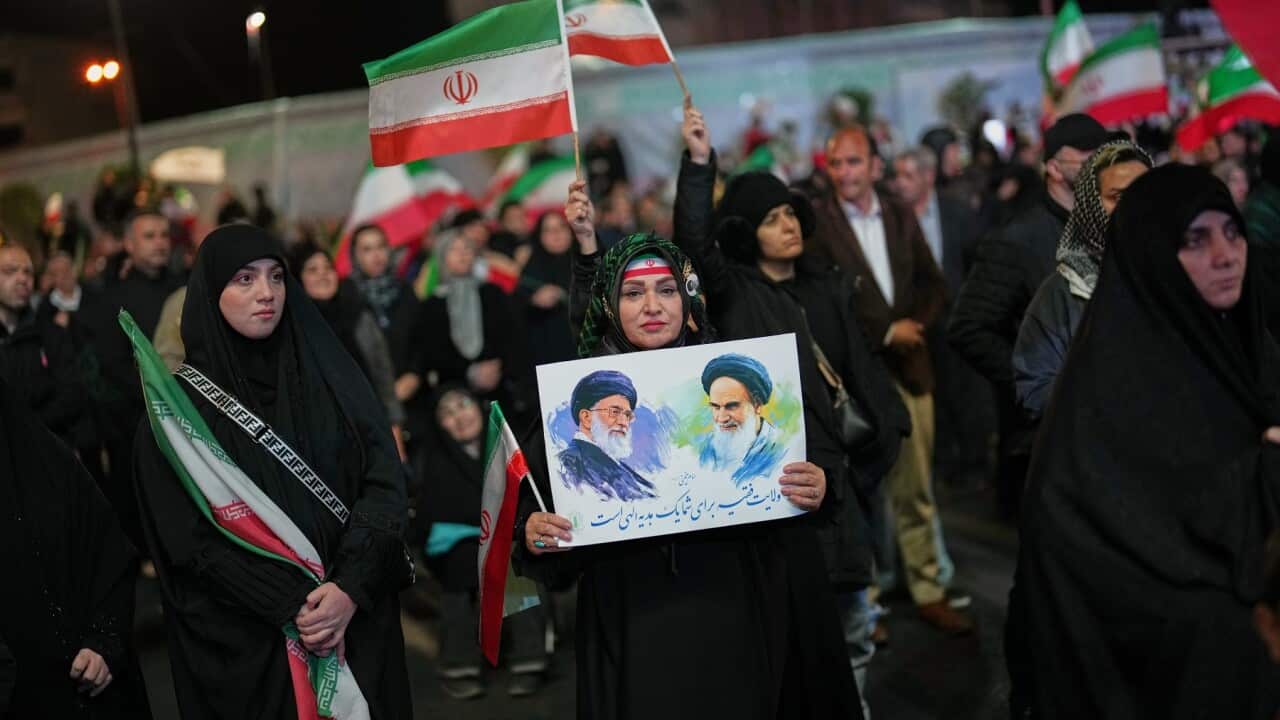
Tit-for-tat? Iran warns Trump over profane Strait of Hormuz threat
At a later news conference, Trump said that Iran could be “taken out” in one night “and that night might be tomorrow night”, referring to Tuesday (local time).
“I mean complete demolition by 12 o’clock, and it’ll happen over a period of four hours — if we wanted to.”
When asked by a New York Times reporter whether he is concerned about committing war crimes and violating the Geneva Convention by attacking civilian infrastructure, Trump said “not at all”.
“I hope I don’t have to do it,” he added.
Iran to continue ‘as political authorities see fit’
Trump’s latest threats, including a profanity-laced social media post on Monday, have sent shockwaves through the international community.
International Committee of the Red Cross chief Mirjana Spoljaric Egger warned that “deliberate threats … against essential civilian infrastructure” are illegal.
LISTEN TO
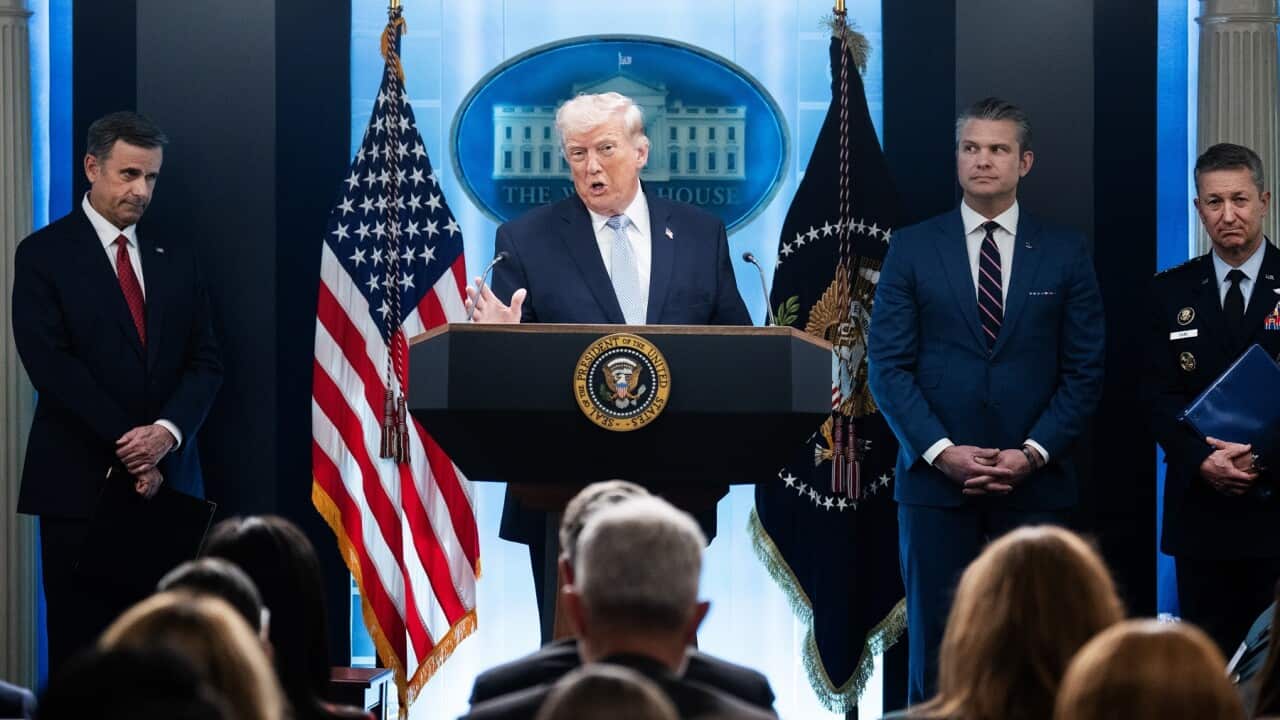
Trump says Iran can be ‘taken out’ for not reopening Strait of Hormuz as a ceasefire stalls
But talk of a ceasefire came as the US and Israel were striking targets across Iran, including major petrochemical facilities, and as Iran continued missile and drone attacks around the region.
Iran’s military said it would “continue the war as long as the political authorities see fit”.
After the US and Israel attacked on 28 February, Iran effectively closed Hormuz, a conduit for about a fifth of the world’s oil and natural gas supply.
The waterway’s stranglehold on the global economy has proved a powerful Iranian bargaining chip, and Iran has shown reluctance to relinquish it too easily.
READ MORE
A Pakistani-brokered framework for ending the war proposed an immediate ceasefire, followed by talks on a broader peace settlement to be concluded within 15 to 20 days, a source aware of the proposals said.
Pakistan’s army chief, Field Marshal Asim Munir, was in contact “all night long” with US vice president JD Vance, special envoy Steve Witkoff and Iranian foreign minister Abbas Araghchi, the source said.
Iranian foreign ministry spokesperson Esmaeil Baghaei said his country’s demands “should not be interpreted as a sign of compromise, but rather as a reflection of its confidence in defending its positions”.
He added that earlier US demands, such as a 15-point plan, were rejected as “excessive”.
For the latest from SBS News, download our app and subscribe to our newsletter.