
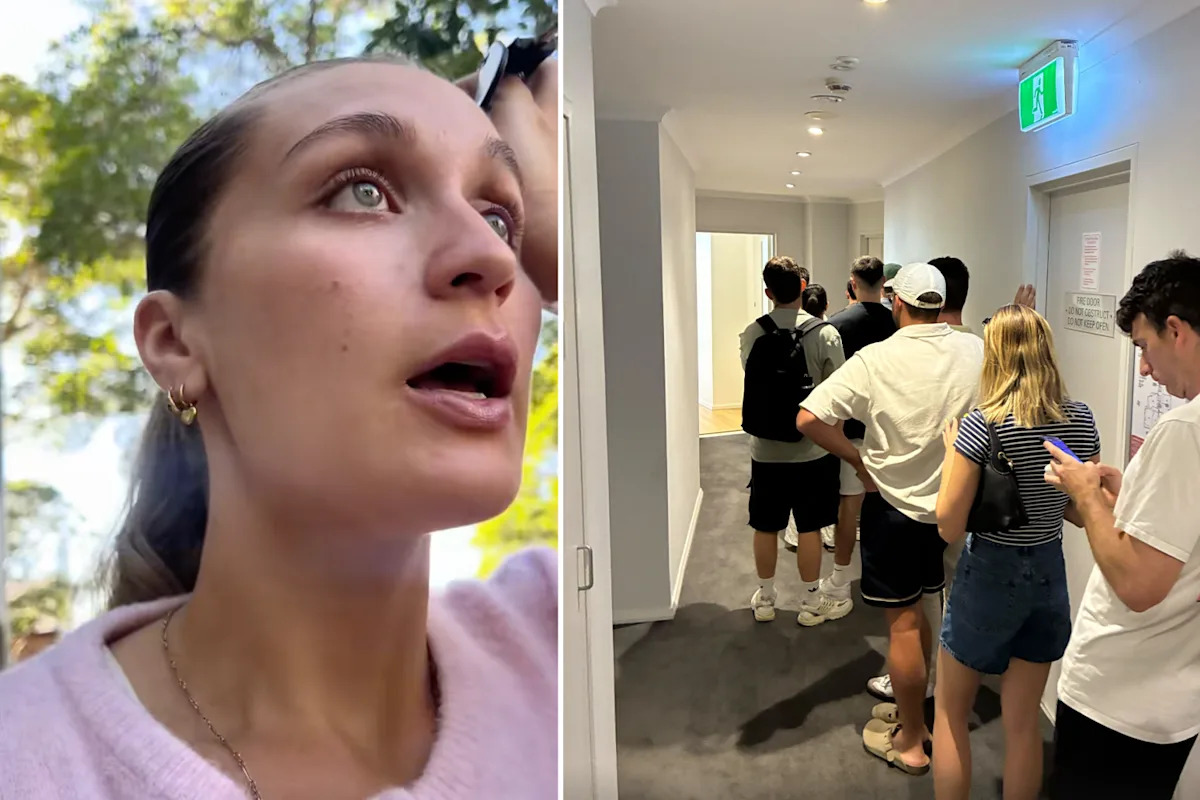
Renter Charlotte Hamer did everything right.
She says she has a steady job, a strong rental history and a dual income with her partner — the kind of applicant agents typically prioritise.
But after nearly four months of searching in Sydney’s brutal rental market, she’s been rejected from almost 30 properties, and is no closer to securing a new home.
The couple have spent their spare time scrolling listings, attending inspections and submitting applications, often within minutes of a property going live, only to be met with silence or rejection.
“When we moved to Sydney from New Zealand two years ago, everyone told us the market was crazy, but we found a place within a week. This time, it’s been completely different,” Charlotte told Yahoo News Australia.
Currently living in a small studio in Potts Point, the pair decided to move after being hit with a rent increase.
What they expected to be a straightforward upgrade has instead become an exhausting and, at times, demoralising process.
“It’s been super stressful,” she said.
“Joke’s on us — we can’t move.”
Since January, Charlotte estimates they’ve inspected around 25 properties across Sydney’s inner city, including the Eastern Suburbs and Lower North Shore.
Many looked promising online, but failed to match expectations in person.
“You show up and they’re mouldy, dirty and tiny,” she said.
“Photos make them look huge, but you can’t even fit a queen bed properly. Or you’re paying $650 or $700 a week and basically living in your kitchen.”
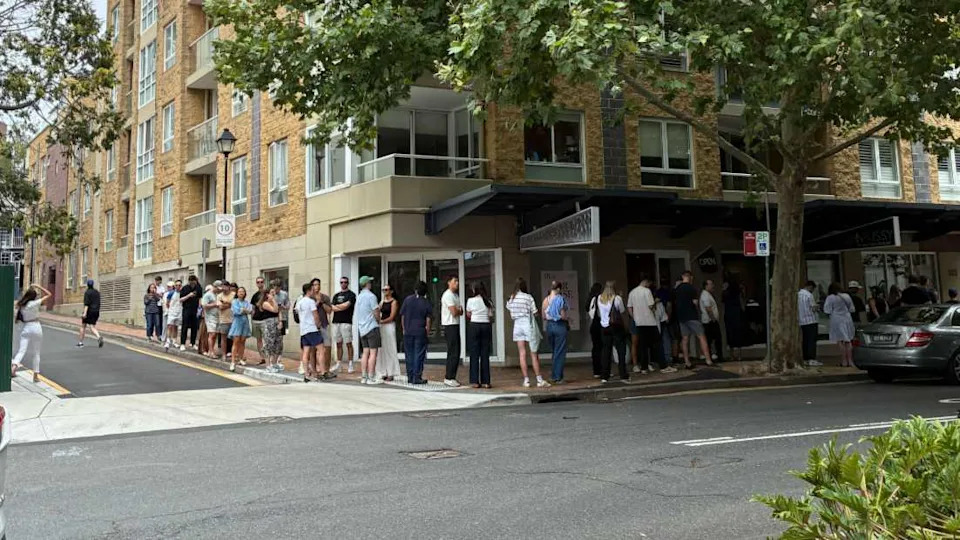
Sydney’s rental market, particularly in the inner city, is fiercely competitive. Source: Yahoo News Australia
How bad is Australia’s rent crisis?
Data from analytics platform Cotality, released this month, reaffirms Charlotte’s concerns.
It revealed Australia’s rental market remains under intense pressure, with vacancy rates still “persistently low” at below two per cent nationally — a level widely considered indicative of a severe supply shortage.
Low availability continues to fuel strong competition among tenants, keeping upward pressure on rents despite broader signs of easing in the housing sales market.
Even as new listings have increased modestly, they’ve done little to shift vacancy rates, meaning renters are still facing limited choice and little relief in the near term.
Dirty properties, on-the-spot bidding adding to renter’s woes
Even getting to inspections has proved difficult.
Many are scheduled during work hours, forcing renters to rearrange their day just to attend.
“You’ll take time off work, get there, and there are 30 or 40 people lined up down the street,” she said.
“You start thinking — what’s the point?”
At several inspections, Charlotte said she’s witnessed prospective tenants offering above the advertised price or paying months of rent upfront to secure the property.
“We’ve literally been standing there and heard people offering more on the spot,” she said.
“You just can’t compete with that.
“If you can afford to pay $800 a week, then go to the houses that are advertised for $800 like, why are you taking the homes from the people who can afford it?”
This is, despite rules designed to curb rent bidding in the state.
In one case, a landlord personally encouraged the couple to apply for a property they loved, only for them to be rejected days later.
“That’s the hardest part,” she said.
“You get your hopes up, you picture yourself living there, and then you just get an automated rejection with no explanation.”
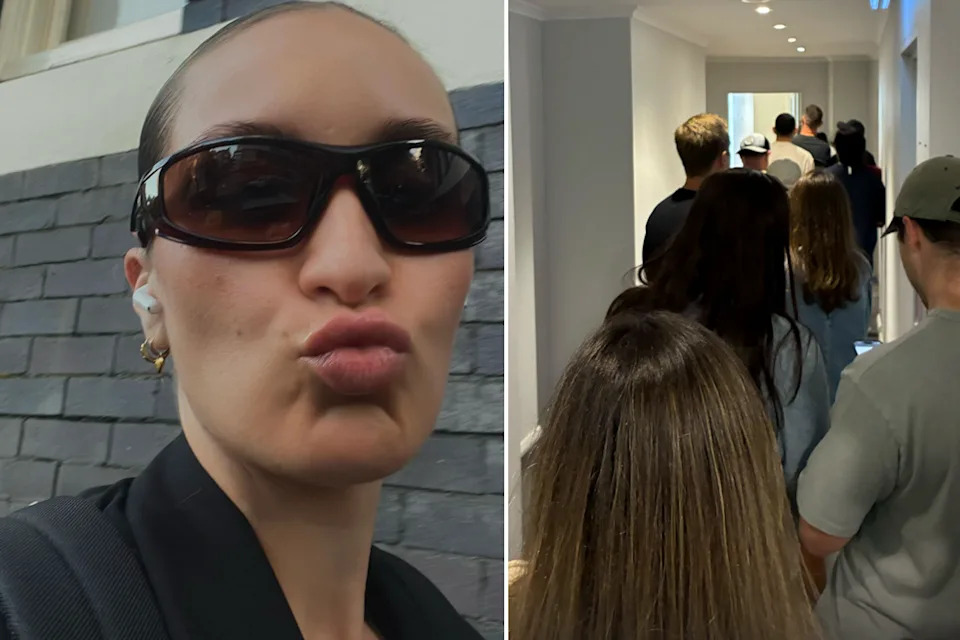
Charlotte said she’s sick of the queues and disappointment, and has had to hit pause on her house hunt. Source: charlotte.hamer/Yahoo News Australia
Despite following up with agents, requesting feedback and even offering flexibility around move-in dates and payments, Charlotte said responses have been minimal.
“They just say it’s high volume and your application was great,” she said.
“But that doesn’t help. You’re left wondering what more you could have done.”
The experience has also shifted her expectations and behaviour as a renter.
“We’re applying for places we haven’t even seen and saying we’ll take them,” she said.
“That’s how desperate it’s getting.”
Why simply ‘moving away’ isn’t always the answer
While many have suggested moving further from the city, Charlotte said that solution isn’t as simple as it sounds.
“People say ‘just move out’, but then your commute gets longer, transport costs go up, and your lifestyle changes completely,” she said.
“We moved here for city life, we should be able to choose that.”
Instead, she believes the current market is forcing renters to compromise on where and how they live.
“It feels like only people who are really well-off can live where they want,” she said.
“Everyone else just has to take what they can get.”
The uncertainty has taken a toll. Balancing full-time work with constant applications, inspections and rejections has the couple mentally drained.
After months of trying, they’ve recently decided to pause their search.
“We just needed a break,” she said. “It was too much.”
What’s next for Charlotte?
Looking ahead, Charlotte admits she’s unsure whether staying in Sydney is sustainable long-term.
“A lot of people I know are leaving,” she said. “They don’t really have a choice.”
She believes urgent changes are needed to ease pressure on renters, including stricter rules around rent bidding and better standards for rental properties.
“You shouldn’t be walking into a mouldy place and paying $700 a week,” she said.
“And there needs to be more housing for people in that middle range, not just luxury apartments.”
Without reform, she fears the consequences will extend beyond individual renters.
“At some point, the city won’t function if people can’t afford to live here,” she said.
Do you have a story tip? Email: newsroomau@yahoonews.com.
You can also follow us on Facebook, Instagram, TikTok, Twitter and YouTube.