
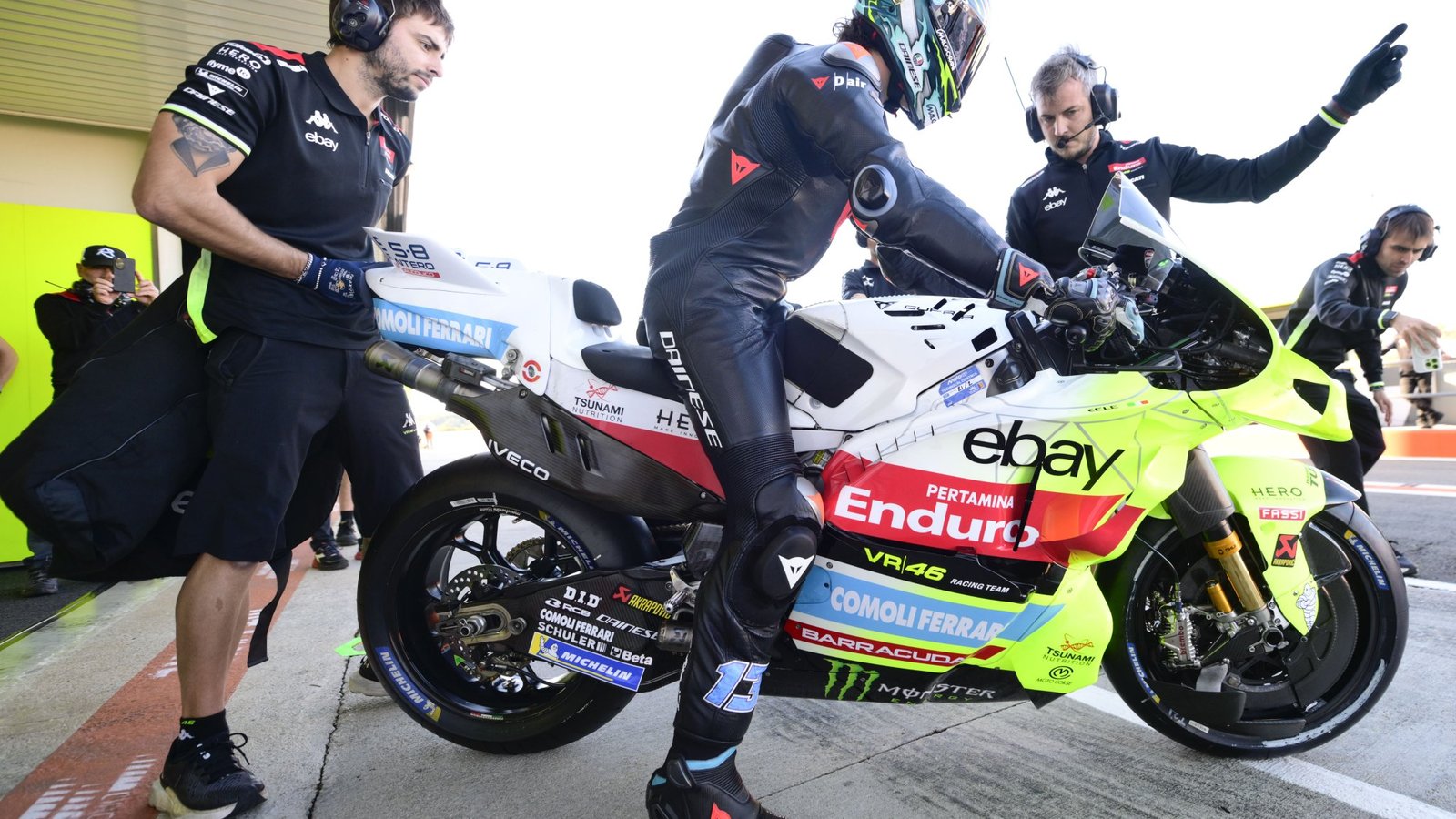
MotoGP’s current race weekend format is among the most brutal in modern motorsport. The weekend begins with two practice sessions on Friday, the second of which effectively acts as pre-qualifying, with the top 10 at the end of it gaining a direct place in Saturday’s pole Q2 shootout. The rest must progress through Q1, affectionately (or not) known as ‘the jungle’ by the riders. The fastest two from Q1 advance to Q2.
It basically means that your weekend hinges on what happens on a Friday afternoon. If you fall into Q1 and fail to make it through, the rest of your weekend is pretty much done. Qualifying determines the grids for both the sprint and the grand prix.
It’s no wonder, then, that there wasn’t a single round in 2023 (when the sprint format was introduced) that featured the full-time grid. Last season, there were only two rounds out of 22 that featured the entire full-time grid.
Teams aren’t permitted to field a replacement for an injured rider at the following round, but an extended layoff requires them to find a substitute. That usually means drafting in a test rider who had a lot of miles on the bike, but not necessarily any race time, nor even having trained in the off-season in the same manner as a full-time racer.
The need for a good test rider has been heightened in recent years. Partially, that’s because you need top-level talents to push a bike during tests to better develop the machine. But, the better the test rider, the better the stand-in racer you have, too.
Article continues below ADVERTISEMENT
Article continues below ADVERTISEMENT
KTM can call on Pol Espargaro, for example, who retired at the end of 2023 following an injury-hit season but remains at a high competitive level. Yamaha has Augusto Fernandez, who is young and spent two seasons with KTM in 2023 and 2024. Honda now has three-time winner Aleix Espargaro it can call on, as well as experienced racer Takaaki Nakagami.
But this is also dependent on testing duties, as well as other commitments. So, this solution isn’t bulletproof.
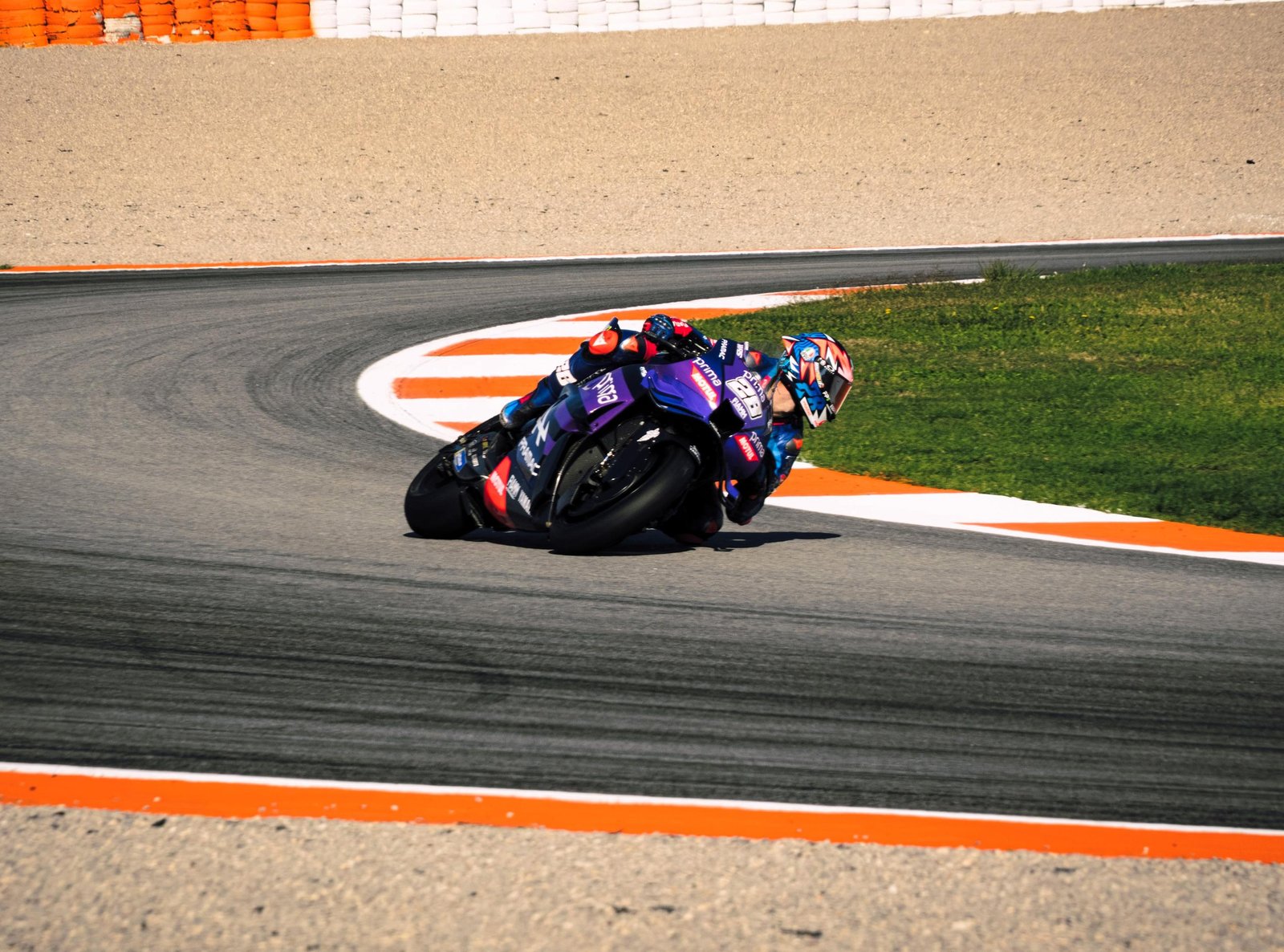
Izan Guevara rides Pramac Yamaha at Valencia
MotoGP evaluating F1-style reserve system
According to the Spanish edition of Motorsport, MotoGP Sports Entertainment (formerly Dorna Sports) wants permanent reserve riders to be installed within a manufacturer.
The idea is that this permanent reserve would travel to all the races and compete if a brand’s rider at any of its teams is unable to during a grand prix weekend.
Article continues below ADVERTISEMENT
Article continues below ADVERTISEMENT
F1 currently has this system in place, with all but Audi having one or multiple official reserve drivers who can be called upon if that team needs them for whatever reason. Those reserve drivers also get involved in testing duties, simulator work and show runs during commercial events.
The practicalities of MotoGP adopting this system are far more complex, however.
Ducati’s Davide Tardozzi believes reserve riders are not “viable” right now, but also noted when asked by Motorsport: “Do you think there are 11 riders outside of the grid with the skills to compete in MotoGP?”
This is the problem some manufacturers already face with their current replacement options. Ducati has long had Michele Pirro on its books, and his development efforts have been hugely important. But he’s never been a frontrunning rider. In the last 10 years, his best result was a fourth at the wet 2018 Valencia Grand Prix. Standing in for the injured Fermin Aldeguer in Thailand, Pirro was over a minute from the win in last place on the 2025-spec Ducati that won at Buriram the previous year.
Aprilia has a similar issue with Lorenzo Savadori. He spent much of 2025 competing due to Jorge Martin’s injuries, but still only scored points twice, with a best of ninth in the wet French Grand Prix.
Article continues below ADVERTISEMENT
Article continues below ADVERTISEMENT
That said, Pirro and Savadori have proven to be good enough to be on the grid. That was not the case at Avintia in 2018, when Superstock racer Christophe Ponsson caused safety concerns for being far too out of his depth to act as a MotoGP substitute. That’s a situation that, thankfully, hasn’t happened since.
Teams can call on ex-MotoGP racers from other series, with Alvaro Bautista and Andrea Iannone making Ducati starts in recent years from Superbikes. Riders like Iker Lecuona and Remy Gardner in World Superbikes have relevant enough recent MotoGP experience to be considered for a reserve role. Even then, as Nicolo Bulega proved last year, replacing Marc Marquez, stepping between Superbike and MotoGP machinery is no small task.
Now, stand-ins aren’t necessarily expected to set the world on fire. But recent F1 examples prove that a certain level of performance can be expected. Ollie Bearman’s F1 debut came in place of an unwell Carlos Sainz at Ferrari at the 2024 Saudi Arabian Grand Prix, where he finished seventh.
There are, of course, certain practicalities that make this an easier process, chiefly the availability of simulators for F1 reserves. This simply isn’t technology that exists in MotoGP. Seat time, therefore, is the only way to get a rider up to speed in MotoGP, and that’s not easy to organise at the drop of a hat.
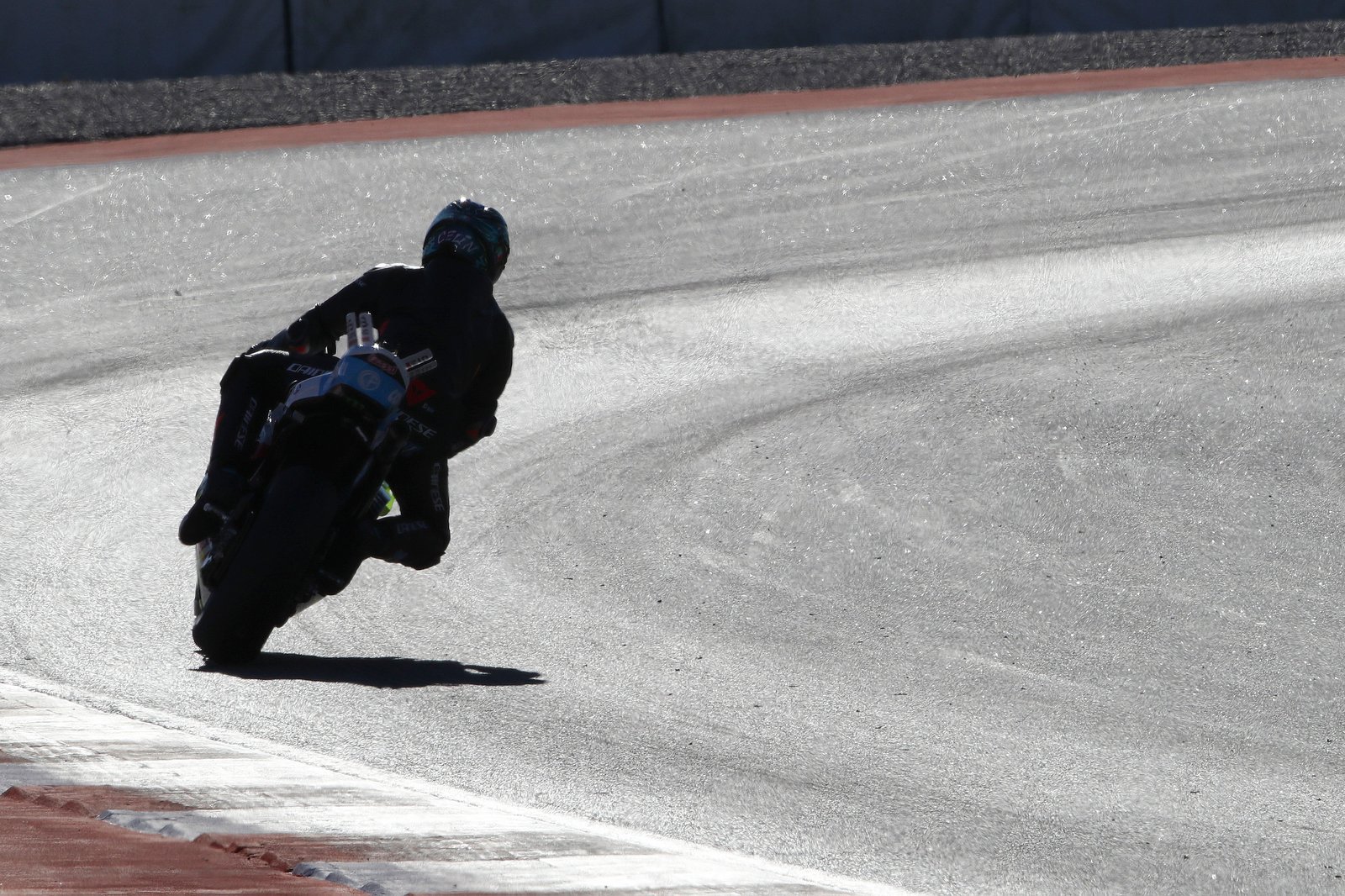
Celestino Vietti, VR46 Ducati, 2025 Valencia test
© Gold and Goose
Article continues below ADVERTISEMENT
Article continues below ADVERTISEMENT
Reserve rider rule could open the floodgates for young talents
F1’s approach to reserve drivers tends to favour up-and-coming talents. The likes of Bearman, Lando Norris and Oscar Piastri, to name but a few, enjoyed stints as F1 reserves. This gained them simulator time, track time through FP1 outings and tests, as well as working directly with a grand prix team. F1 also mandates a certain number of FP1s for teams to run young drivers.
As mentioned, simulators make it easier for young drivers to step into a cockpit for a real-world outing. However, the reserve rider idea could open the doors to prospective talents forging closer, more meaningful ties to manufacturers.
A manufacturer could elect to sign a current Moto2 star as a reserve rider, bringing them in-house during race weekends around their own track action, as well as opening up practice running to them.
This would require a rejig to the weekend format, given the importance placed on practice sessions in MotoGP now, as well as moving Moto2 in the schedule to stop a rider jumping from one bike to the other in the space of 10 minutes.
But scrapping the pre-qualifying segment of Practice on Friday afternoon and perhaps turning FP2 on Saturday morning into a qualifying group decider could free up FP1s for more young rider running.
Article continues below ADVERTISEMENT
Article continues below ADVERTISEMENT
Young riders have enjoyed seat time at tests. In Valencia last year, VR46 gave Celestino Vietti some bike time on a Ducati, while Pramac put Izan Guevara on the Yamaha in a private test at Valencia. But these were more rewards rather than meaningful programmes.
On occasion, teams have dipped into Moto2 to field a MotoGP replacement. Jake Dixon made his premier class debut at the British Grand Prix in 2021 with Petronas SRT, having been part of its Moto2 structure at that time. It was a steep learning curve, and one that ultimately didn’t progress into any full-time MotoGP opportunities.
But seeing young talent offered massive career opportunities over test riders is a far better look for MotoGP. That could be the case under the new proposal. Rules could mandate a manufacturer to have two reserves on its books, with one place specifically for a young rider.
Installing permanent reserve riders in MotoGP makes sense, given the increase in grid absences in recent times. While there will be cost barriers, this does feel like it could be a pivotal turning point for the development of young riders if the championship is willing to open its mind.
Subscribe to our MotoGP Newsletter