
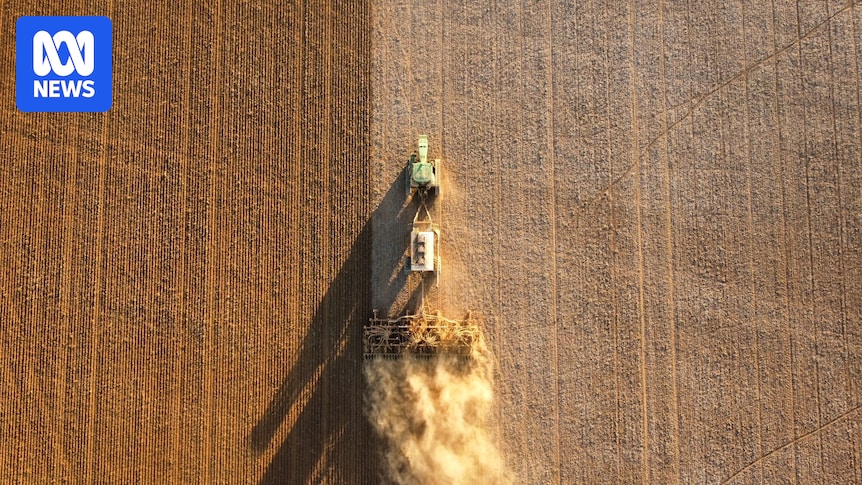
South Australian farmers are rolling the dice by planting winter crops much earlier than usual this year, hoping to make the most of record-breaking rain after back-to-back years of drought.
While the rain has brought optimism for a good season ahead, the gamble growers now face is forecasts of a dry winter, volatile grain markets, and skyrocketing costs for diesel and essential fertilisers.
For Bute grower James Venning, his decision to plant canola weeks earlier than normal was made against the advice of his agronomist.
While admitting it was “definitely too early”, it was a risk he was willing to take after recording his wettest ever March at the farm — even in the face of a dry outlook in the coming weeks.
Iran war live updates: For the latest news on the Middle East crisis, read our blog
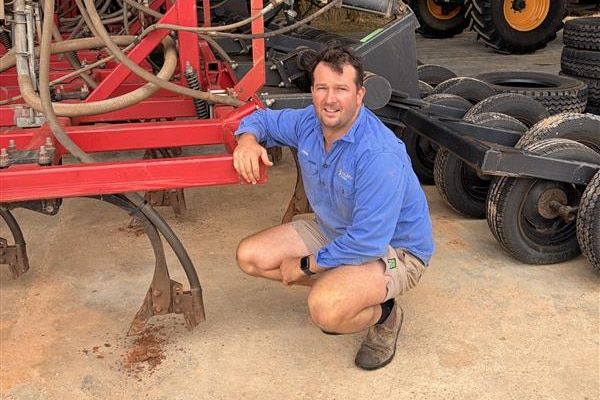
James Venning has factored in the weather forecast and global grain markets in deciding to plant canola and lentils this season. (Supplied: James Venning.)
Mr Venning planted canola in the week leading up to Easter, which runs the risk of flowering during times of frost.
“It’s the earliest we’ve ever started by at least two weeks, nearly three,” he said.
“It’s a little bit of a risk, but I thought, given the moisture, and generally speaking, canola, the earlier sown the better it is, but this is unprecedented territory, really.”How are rising fuel costs or supply issues affecting you or your business?
Share your insights to help inform our journalism.
Risk of going early
Grain Producers SA chief executive Brad Perry said most growers traditionally started seeding around Anzac Day and into May.
“I think this is one of the most challenging periods I’ve seen for grain producers making business decisions, because there are so many unknowns at the moment,” Mr Perry said.
“One of the positives is the amount of rain we’ve had pre-seeding. In some areas, it’s the best start they’ve seen in years.
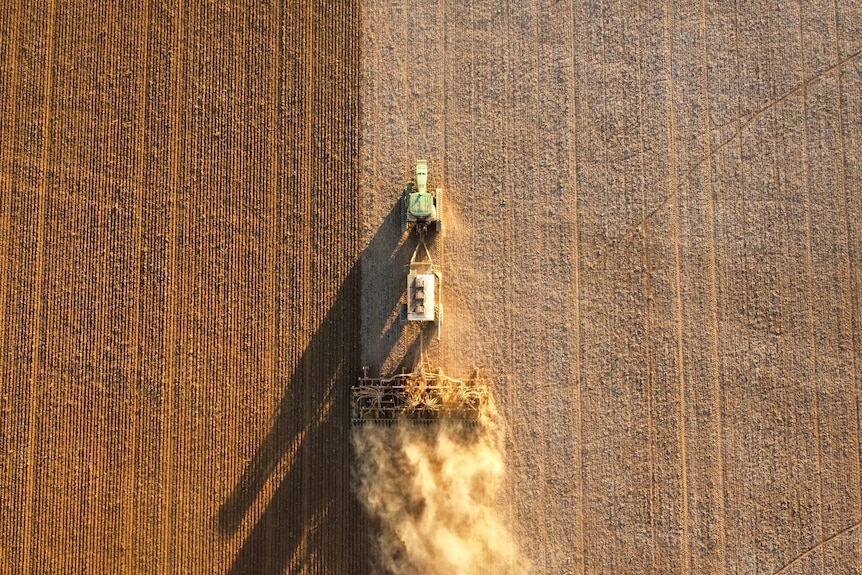
Most growers traditionally do not start seeding until around Anzac Day, at the earliest. (Supplied: Matt Lawler)
“Some started seeding early to take advantage of the sub-soil moisture, but that comes with risks as well, because you’ll have earlier growth which could be met with some warmer days.
“It looks like many grain producers are seeing the forecast of dry, dry, dry and trying to get ahead.”
A recent survey of almost 800 growers across SA found increasing anxiety around access and the cost of fuel and fertilisers, critical to getting high yields out of their crops.
Fertiliser prices have skyrocketed since the start of the conflict in the Middle East, where much of Australia’s urea is sourced.
Mr Perry said many growers were operating on tight margins after struggling through multiple years of drought.
“They are telling us this uncertainty is adding further stress to already fragile farm businesses,” he said.
Mr Venning said he was fortunate to have secured his fertiliser needs early after a “fantastic” March gave him confidence for the season ahead.
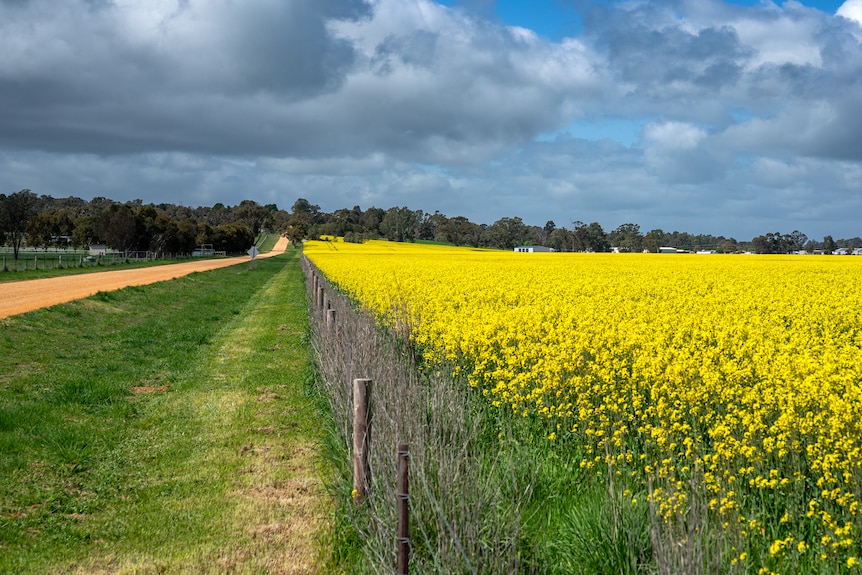
Canola is widely grown in SA, but is a crop known to require significant amounts of urea fertiliser. (ABC South East SA: Elsie Adamo)
“Whilst it is a challenging situation, at least it’s been wet, so it’s made that decision a little easier to stick your neck out and purchase the fertiliser you need,” Mr Venning said.
Input costs skyrocketing
Eyre Peninsula farmer Phillip Docking will still plant a crop this year, despite his budget going up at least $180,000 due to rising fuel and fertiliser costs.
Mr Docking grows mainly wheat and canola, and was looking at a reasonable season following recent rains.
Loading…”Budget was done three weeks before this war started, and pretty much we came out lineball … then the war happened,” Mr Docking said.
“Primarily for fertiliser, we’d be up $100,000 — and we need it because canola and wheat, you’ve really got to put urea on.
“We’ll do the best we can not to overspend, and hopefully grain prices and yields will be up a bit.”
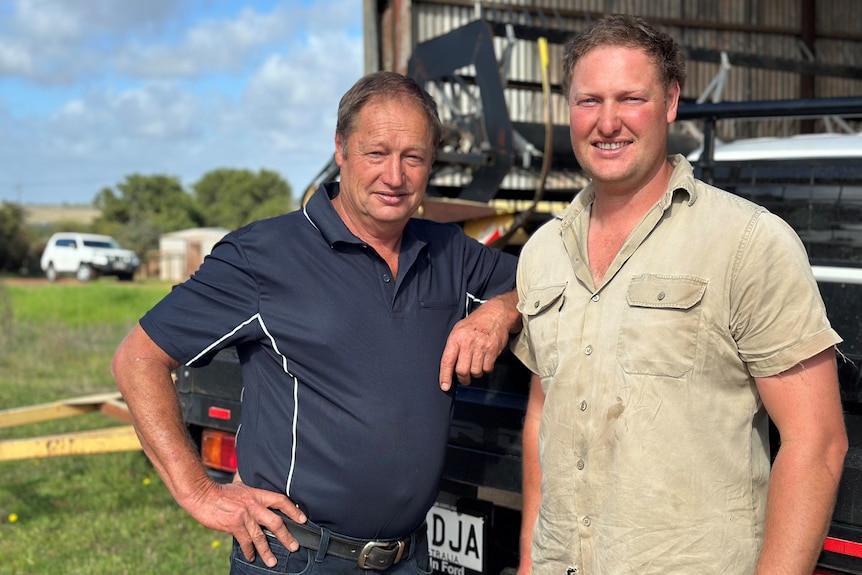
Koppio farmers Phil Docking and his son Jake will still go ahead and plant a crop this winter, despite escalating costs for diesel and fertiliser. (ABC Rural: Brooke Neindorf)
Mr Docking said he had “lots of fixed commitments” that meant he had to go forward with a crop, despite the challenges.
“Like every farmer, you’ve got insurances, payments to the bank, interest payments and taxation that you can’t get out of, so there would automatically be a massive loss if we didn’t do something, so we got to try to maintain what we’re doing if we can, and hopefully we get a bit of a surprise, and things get better than we expect,” he said.
Markets another challenge
Bendigo Bank senior agricultural analyst Sean Hickey said farmers sowing crops early had limited options to respond to the current market.
“There’s not going to be wholesale changes to planting programs, it’s just simply too late,” Mr Hickey said.
“Most growers have had planting programs in place 12 months out.”

Senior agricultural analyst with Bendigo Bank Agribusiness, Sean Hickey. (Supplied: Sean Hickey)
For farmers who were able to make changes, he expected a slight shift away from wheat towards barley, which has been attracting stronger prices and requires less urea.
Mr Hickey said the amount of canola planted would depend on ongoing fertiliser costs.
“Canola requires pretty significant levels of urea to be put on … so there’s some concerns around what that means from a margin perspective,” he said.
Loading…