

Listen to this article
Estimated 4 minutes
The audio version of this article is generated by AI-based technology. Mispronunciations can occur. We are working with our partners to continually review and improve the results.
WARNING: This story includes reference to suicide.
A northern Manitoba First Nation says it is facing a mental health crisis that has led to four deaths in the past month, including three in the past two weeks.
Those four people, and another in the fall, took their own lives, making for five lives lost to suicide in the last six months in Nisichawayasihk Cree Nation, Chief Angela Levasseur said on Wednesday as she declared a state of emergency.
“It’s been a very tragic and a very difficult time for our community. The pain is being felt across every family, every generation, and every part of our Nation.”
Levasseur is pleading for mobile crisis response teams to be deployed to the community of about 3,600 people, located 65 kilometres west of Thompson (655 kilometres north of Winnipeg).
Nisichawayasihk has therapists and counsellors and social workers “but there are so many people that are in need of support, people who are dealing with complex issues such as intergenerational trauma and grief,” Levasseur said.
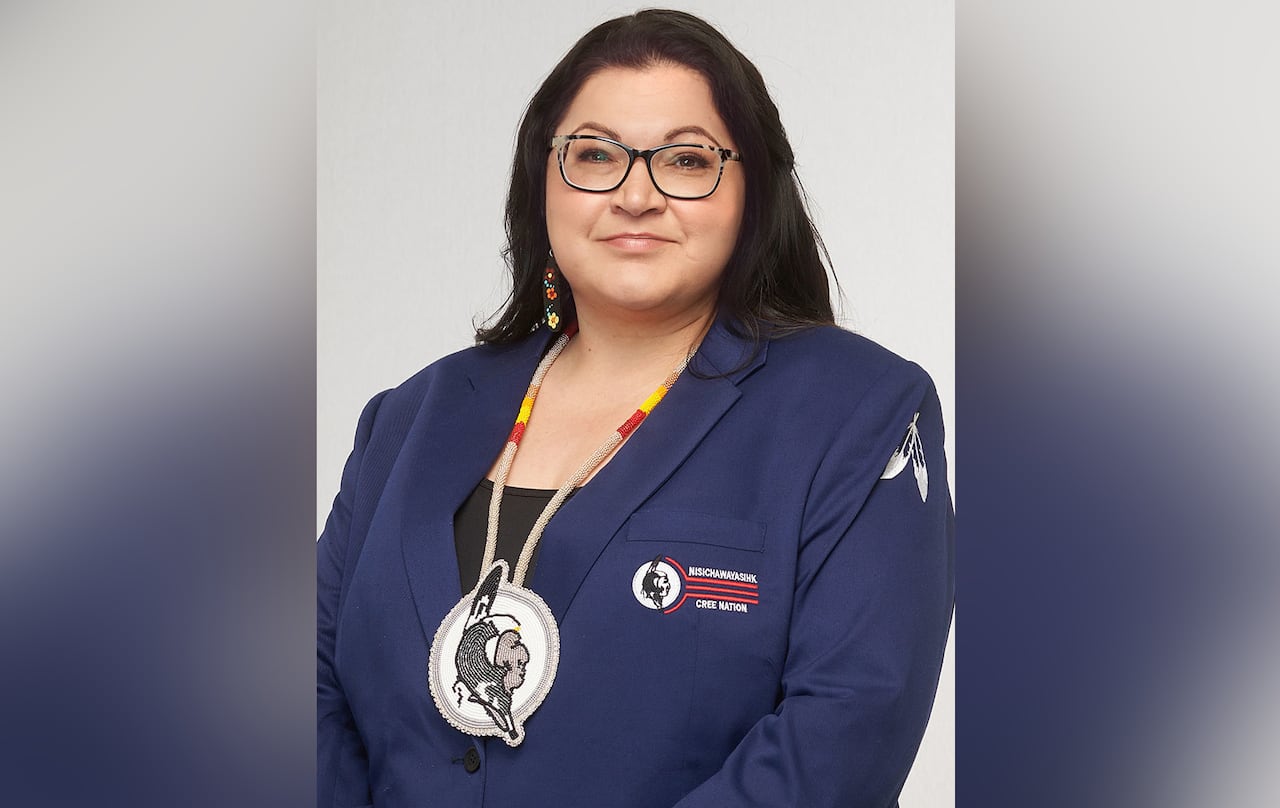 Nisichawayasihk Cree Nation Chief Angela Levasseur is pleading for mobile crisis response teams to be deployed to the community, 65 kilometres west of Thompson. (ncncree.com)
Other social issues are also plaguing the community, including a soaring use of drugs since the community was evacuated by wildfires last summer. People sent to the city were introduced to hard drugs and are now struggling with addictions, Levasseur said.
“There’s layers upon layers. Our front-line workers and health staff are exhausted and taxed to the limit,” she said. “Our people cannot carry this alone.”
Levasseur is worried about more deaths, saying suicide clusters can create a domino effect within communities already experiencing layered trauma and grief.
There have already been a number of attempts at self-harm, she said, noting the RCMP respond to approximately 500 mental health-related calls annually in the community.
In 80 per cent of those calls, the person expressed suicidal ideation, Levasseur said.
Nisichawayasihk is “urgently calling for immediate, co-ordinated and sustained intervention from provincial, federal, and First Nations partners,” states a news release issued Wednesday.
She spoke with Indigenous Services Canada on Tuesday and is looking to access emergency mental health supports.
Nisichawayasihk is also getting help from Manitoba Keewatinowi Okimakanak and the Keewatin Tribal Council, two organizations that represent northern Manitoba First Nations.
MKO has sent its mobile crisis unit, which will be in Nisichawayasihk for the week and next week as well. The KTC health team is also providing supports.
“But what we need is access to a greater number of mental health clinicians, therapists and cultural-support workers, and we need child- and youth-specific mental health services,” Levasseur said.
“Right now we have one youth suicide prevention worker. For such a large community, that is not enough.”
That’s where more funding from Indigenous Services Canada comes in, she said. That would allow the community to train more people and develop long-term healing and intervention strategies to address the root causes of depression.
“We firmly believe that the solutions have to come from within,” she said.
In the meantime, the situation has placed immense emotional and psychological strain on the community and Levasseur is imploring people to support one another.
“We must check on each other, speak openly, and encourage our people to seek help without fear or shame. There is strength in asking for help.”
Nisichawayasihk’s news release encourages community members and others in need of support to reach out for help:
Nisichawayasihk Cree Nation Family and Community Wellness Centre: 204-484-2341 (counselling on-call number: 431-354-1270).Klinic Crisis Line (24/7): 204-786-8686 or 1-888-322-3019.Hope for Wellness help line (First Nations and Inuit): 1-855-242-3310.Talk Suicide Canada: 1-833-456-4566.
Canada’s Suicide Crisis Helpline can also be reached by calling or texting 988.
Anyone in need of help, or who knows someone in immediate danger, can also call RCMP (204-484-2288), Nisichawayasihk’s First Nation safety officers (204-307-0912) or the Nisichawayasihk community patrol (204-679-0226 or 431-354-2026), or to go to the Nisichawayasihk Cree Nation nursing station.