
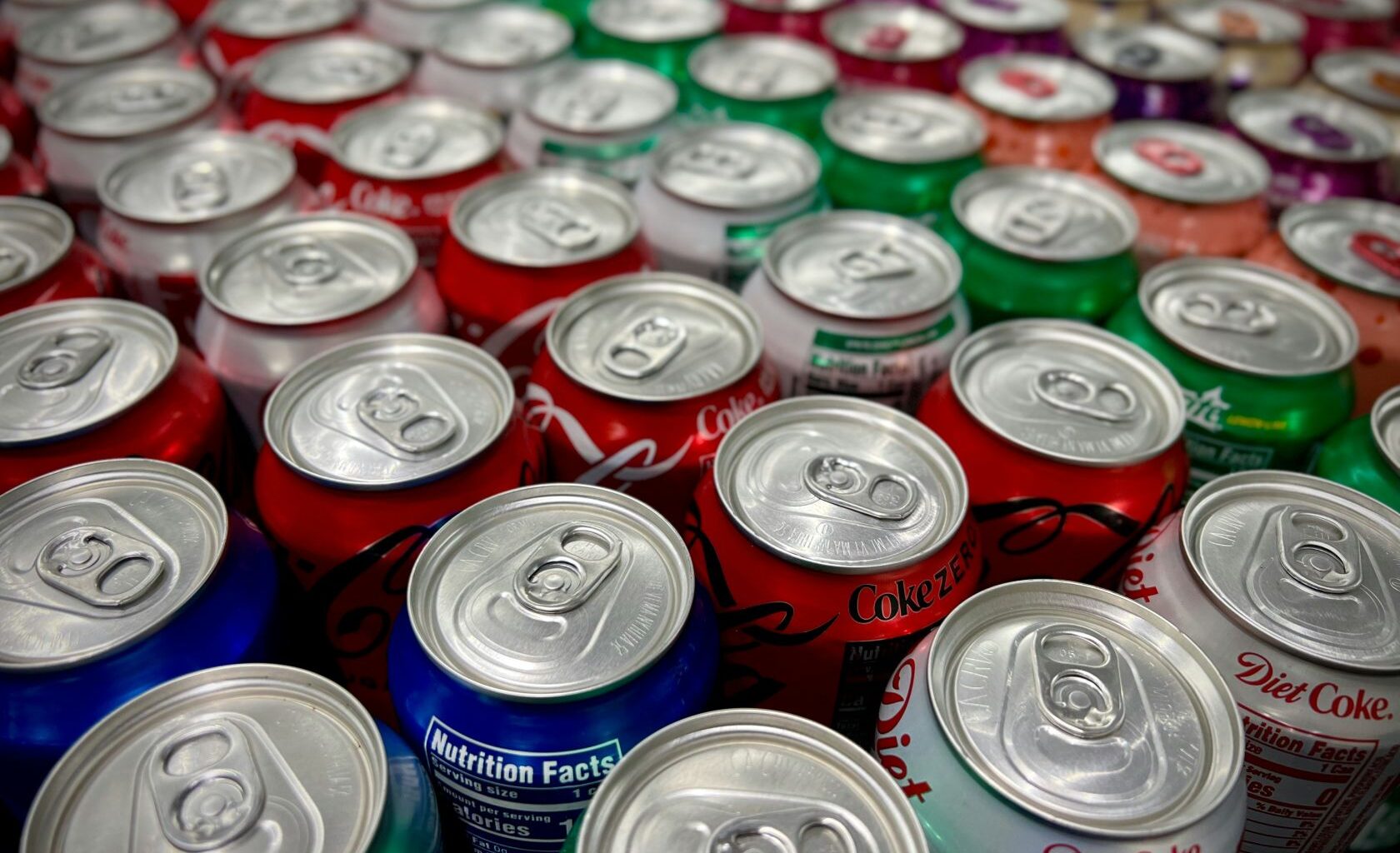
The system is called SDR and has been announced for 10 April. Machines across the country will accept single-use plastic and metal bottles up to three litres and print the corresponding refund.
Those responsible for the system warn that some bottles and cans may not be accepted by the machines. This is because they do not yet have the symbol: a horseshoe-shaped arrow and the word “Return.” In that case, the consumer should place them in the appropriate recycling bin.
Long-awaited plan
The Deposit and Refund System (DRS, also known as SDR or Volta in Portugal) has been planned since 2017. A 2018 law required it to be operational by 1 January 2022, but it is only now beginning to operate. The investment is €150 million, with 1,500 jobs expected.
Experience with other countries
Based on experiences in other countries, SDR Portugal, the managing entity of Volta, says the system will allow the collection of many more single-use beverage containers, aiming for 90% by 2029.
The expected higher recovery, which reinforces the circular economy and increases recycling rates, is driven by a 10-cent refund per container (regardless of size).
Largest environmental project
All this makes the DRS perhaps one of the largest environmental projects Portugal is implementing. This was stated last month during a system presentation by Minister of Environment and Energy, Maria da Graça Carvalho.
The Minister recalled that the waste sector remains one of the “most difficult” for European targets and reiterated that the Portuguese are not reducing or separating waste sufficiently.
The latest report from the Water and Waste Services Regulatory Authority (ERSAR), published in March and covering 2024, indicates that low waste collection and recycling rates continue.
This situation can now be reversed. Single-use beverage packaging will help.
Recycling in the machines
From 10 April, provided they have the Volta symbol, are intact, are dry, have a cap, and have a barcode, they will be accepted at any of the 2,500 machines across the country, more than 8,000 manual collection points, and 48 kiosks for large-volume deliveries. These will be located, for example, near supermarkets. The machine crushes the packaging and provides a 10-cent refund.
Transition phase
Until 10 August, during a transition phase, it’s natural that the same products will be on sale, but some without the logo and therefore not accepted by the machines. However, the consumer also didn’t pay the 10-cent deposit at the time of purchase.
Project target
The chairman of the board of directors of SDR Portugal, Leonardo Mathias, said that the project targets the 2.1 billion plastic and aluminium bottles used each year.
With this system, there can be less litter on the streets. Recycling can be improved. Landfill disposal can decrease. Promoting the circular economy also reduces greenhouse gas emissions.
Major contributions
These are the major contributions from consumers: the 10.7 million inhabitants and 29 million tourists per year. They do not actually make money in the process, since the 10 cents are added to the drink’s price as a deposit. It is returned as a voucher, which can be redeemed for cash or store discounts, among other options.
The machines accept one package at a time. They then present the refund options.
According to the managing entity, 90% of the soft drinks, water, and beer industry, and 80% of retailers have joined Volta.
The European Union wants producers to incorporate at least 65% recycled material in single-use plastic bottles by 2040.
The SDR system is already implemented in several European countries, including Germany, Austria, and Denmark, and collects more than 35 billion packages annually, serving approximately 357 million inhabitants.