
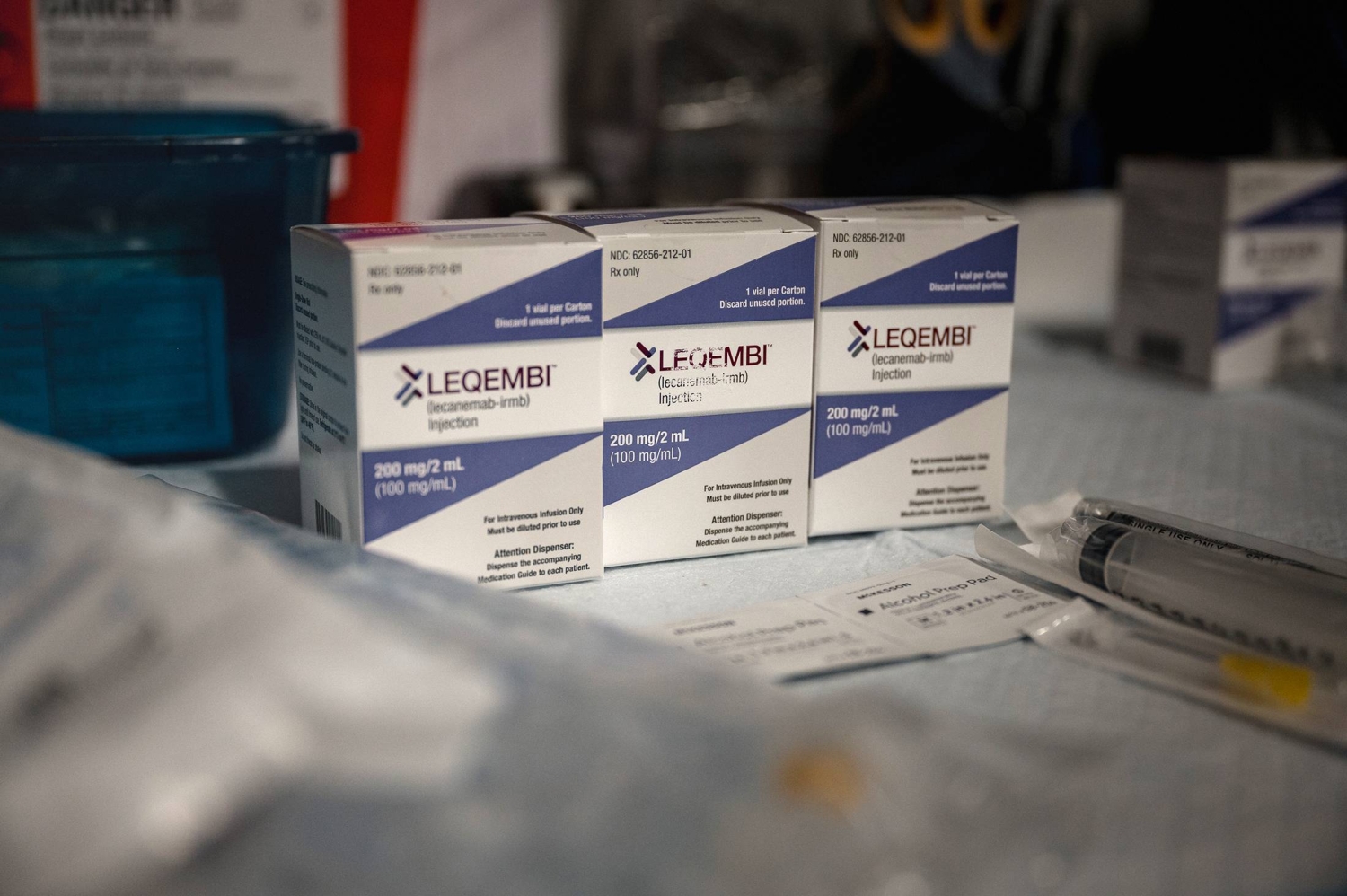
Less than 20% of people who showed interest in taking new medications for Alzheimer’s disease went on to receive one, mainly because they were not medically eligible or they decided against it for fear of side effects, a new study by Japanese researchers has found.
While Japan’s universal health care covers lecanemab and donanemab, medical requirements and concerns for costs and side effects on the part of patients and their families mean many end up not receiving the medications, the researchers said.
In Japan, where these drugs cost about ¥3 million per patient annually, the high-cost medical benefit program also keeps the out-of-pocket expenses down, though the caps for such expenses are scheduled to go up in stages starting in August.