
Warning: This article includes racist language some readers may find distressing.
When Ashi saw the announcement that a “Little India” precinct would be created in Melbourne, she “didn’t dare” read the comments on social media.
“Initiatives for the Indian community like this inevitably become the subject of ‘jokes’ about curry and the smell,” she told the ABC.
She was not wrong.
Social media posts about the City of Melbourne announcing its $1.2 million Little India precinct in Docklands were flooded with racist comments.
“These f***ers are trying to take over Australia and take over our businesses and homes,” one user wrote on Facebook.
“This place will be no different to a small village in India. Dirty, crowded, spitting and poor hygiene. Do we want little India’s [sic] anywhere?” another wrote on Instagram.
“Get them all in there and set the place on fire,” a user wrote on X.
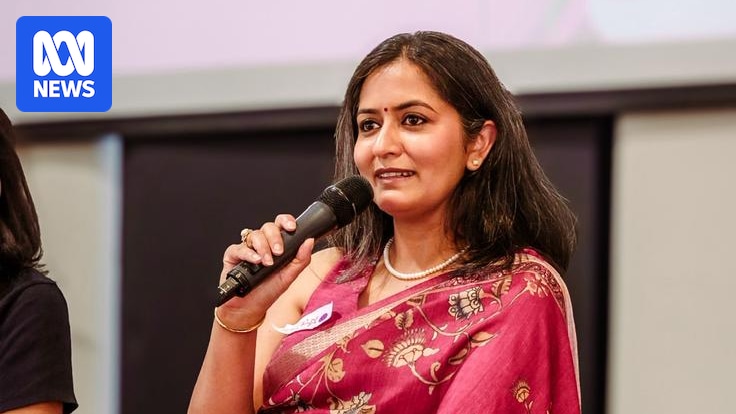
Ashi, a 33-year-old who has frequently been the target of racism in Melbourne, said she was worried about a Little India being established.
One experience that still plays on her mind happened when she was looking for a rental property.
“One of the agents or landlords asked if I was Indian. When I confirmed, they literally told me, ‘Hell no, get out,'” she said.
“Given the current climate and how some people have reacted to similar initiatives in the past, I worry that this could make the area a target for racism or similar sentiments.”
Mixed feelings for some
Melbourne has the largest Indian population in Australia, with about 36 per cent of all Indian-born migrants in the country residing there, totalling more than 240,000 people, according to the Department of Foreign Affairs and Trade (DFAT).
“Racism has no place here. Little India will be a vibrant celebration of our diversity, bringing people together through food, festivals and culture,” Lord Mayor Nick Reece told the ABC.
“Little India is a chance to celebrate the cultural and economic contributions our Indian community make every day.”
Racism support services:
Australian Human Rights Commission: 1300 2 9284 9888
Victoria Equal Opportunity and Human Rights Commission
Embrace Multicultural Mental Health
Lifeline: 13 11 14
Consultation on the plan has involved 15 community organisations and associations, the City of Melbourne said.
Scoping for the precinct has begun and recommendations will be brought to council for consideration in mid-2026.
For 45-year-old Indian woman Purva Guulyani, the Little India announcement gave her “mixed feelings”.
She acknowledged it was a recognition of the Indian community and culture.
“But on the other hand, I do question whether this is where resources should be prioritised,” she said.
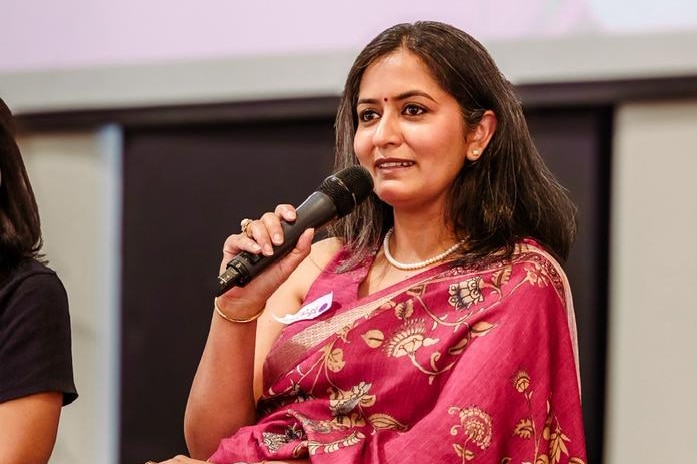
Purva Guulyani believes investing in community health programs would have a greater impact than a Little India precinct. (Supplied: Purva Guulyani)
Purva, an accredited dietitian, believes investing in health research and community health programs “would have a far greater long-term impact”.
“We have significant gaps in culturally appropriate health care, especially for South Asian communities, who are at higher risk of chronic conditions like diabetes and heart disease,” she said.
“If we’re serious about supporting communities, we need to invest in their health and future, not just their visibility.”Cultural understanding ‘brings people together’
Dr Ali Saha, a media sociologist who has researched race and migration, said she was aware of the resistance and backlash the precinct had received.
“However, I would argue that the acknowledgement of cultures and the promotion of cultural literacy are more valuable than continued ignorance and lack of representation,” Dr Saha told the ABC.
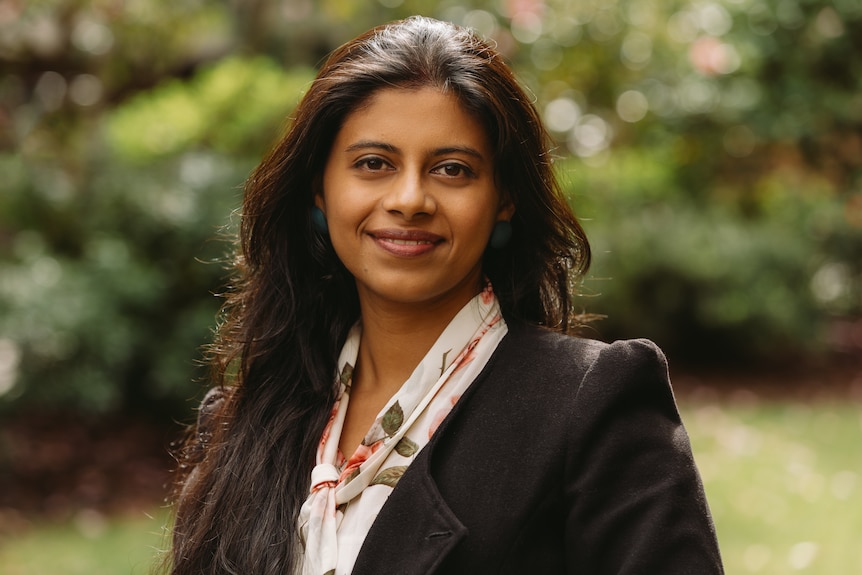
Ali Saha says the challenge of a Little India precinct is avoiding a hegemonic understanding of Indian culture. (Supplied: The University of Melbourne)
She said Little India would help increase conversations around “Indianness and Indian identity”.
“Such engagement can contribute to a more respectful environment and more inclusive dialogue in the future,” she said.
Many in the community, like Bharat Kalyan, agree.
“With Chinatown and Koreatown already thriving, a Little India precinct feels like a natural and exciting addition,” he told the ABC.
“Culture is best experienced, not just read about, and precincts like these give everyone that opportunity.”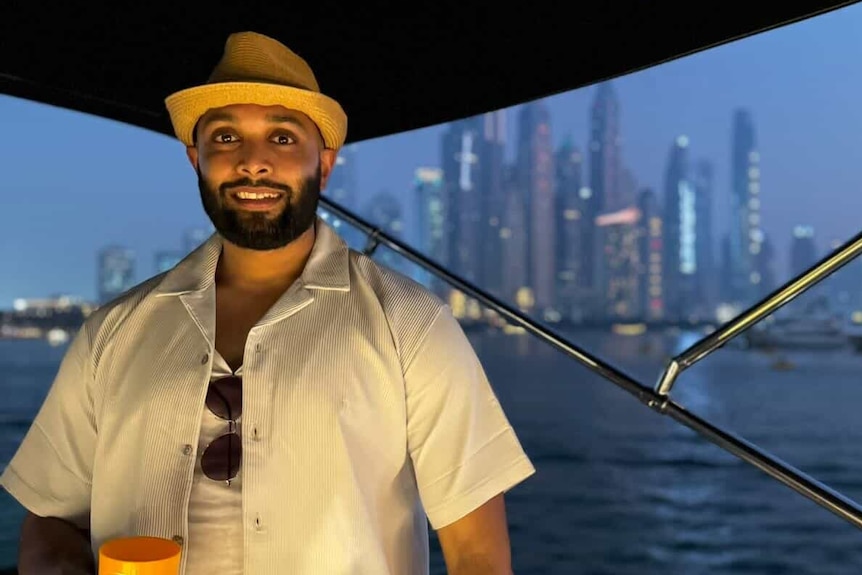
Bharat says he was excited when he found out a Little India precinct would be created in Melbourne. (Supplied: Bharat Kalyan)
Bharat, who recently relocated from the UK to Melbourne for his partner’s job, said he had faced some racism in Melbourne.
“It’s always a small minority, wherever you go in the world, that choose to spread hate,” he said.
“But I truly believe that learning about each other’s cultures is one of the most powerful ways to bridge that divide.”
Reassuring Bharat was the success of Melbourne’s long-established Chinatown and newer Koreatown.
“I genuinely believe Little India will follow suit and give people a window into how vibrant and rich Indian culture truly is,” he said.
“That kind of experience tends to bring people together far more than it divides them.”
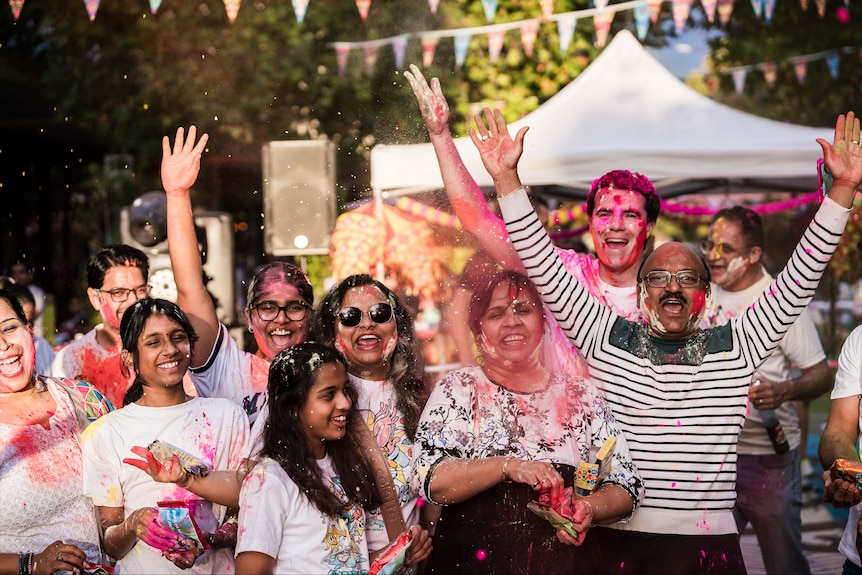
India has 28 states, eight union territories, 22 official languages and many cultural festivals, like colourful Holi. (Supplied: Tim Watts MP)
When Mrinaal Datt saw the news of a Little India precinct, she thought, “it’s about time!”
The 30-year-old, who works in the news industry, has lived in Melbourne for three and a half years.
She said the city was “a melting pot of people from different cultures throughout the world”.
“We already have Chinatown and streets that remind you of Thailand, Korea, Italy and Vietnam,” she told the ABC.
“Indians and people of Indian descent form a significant part of the Victorian population. So having a place to celebrate one of the most vibrant cultures feels phenomenal.”
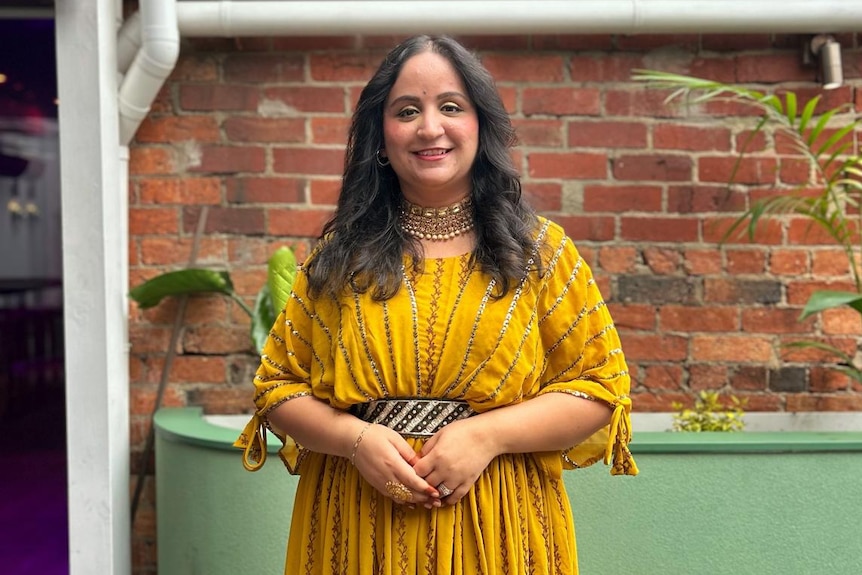
Mrinaal says having a dedicated place to celebrate Indian culture will be a great addition to Melbourne. (Supplied: Mrinaal Datt)
‘Precincts don’t create racism’
Dr Saha said while cultural precincts had a positive impact, there were also challenges.
“India encompasses 28 states and eight union territories, 22 officially recognised languages, hundreds of festivals, and thousands of distinct communities,” she said.
“The challenge lies in avoiding the representation of only dominant groups, which can, in turn, marginalise others.”
Community organisation the Australian South Asian Centre (ASAC) echoed this.
“The South Asian diaspora is not a monolith. It spans generations, genders and religions,” ASAC told the ABC.
“If councils want to get this right, they need to involve that full spectrum, including women, young people and community builders, in shaping how the precinct evolves over time.”
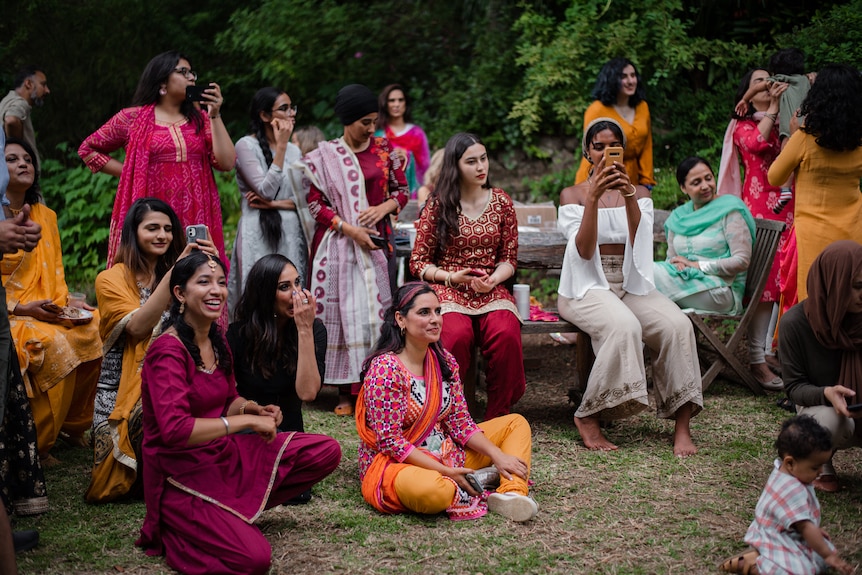
The Australian South Asian Centre says it will be important to consult a wide range of groups when shaping Little India. (Supplied: Australian South Asian Centre (ASAC))
Reflecting on the online racism the Little India announcement received, ASAC said “precincts don’t create racism”.
“It already exists and is becoming more visible.
“We talk a lot about social cohesion in Australia, but for many communities, belonging still feels conditional and that’s the gap we need to address.”Law enforcement alone not enough
For Australia’s race discrimination commissioner, the racist responses to the Little India proposal were “saddening but unfortunately, not surprising”.
“We have seen an increase in racism towards people of Indian origin, who were especially targeted and singled out in the anti-immigration rallies,” Giridharan Sivaraman told the ABC.
Mr Sivaraman said there were many communities facing racism.
“We saw a surge in racism towards people of Chinese origin during 2020, racism against First Nations people during the [Voice to Parliament] referendum,” he said.
“After October 2023, there were surges in anti-semitism, anti-Palestinian racism and Islamophobia.
“The fact that the target keeps changing but the problem remains, indicates that our systems are fundamentally broken.”
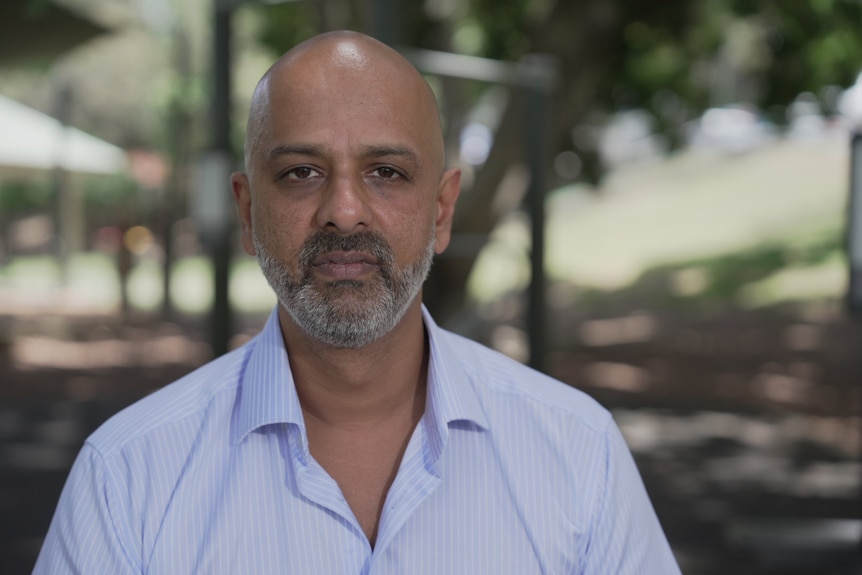
Giridharan Sivaraman says the current approach to tackling racism is not working. (ABC News: Lucas Hill)
Mr Sivaraman called on state governments, and particularly the federal government, to endorse the National Anti-Racism Strategy from the Australian Human Rights Commission.
“Law enforcement alone is insufficient. We need a whole government and societal approach to tackling racism.”
He also said there needed to be a better understanding of how migrant communities had been a part of the Australian identity for two centuries.
“In response to our rich history of migration, there’s been an equally rich history of racism that’s trying to erase those stories from the national narrative,” he said.
“When actually, those communities have been part of the Australian identity for a very long time.”