
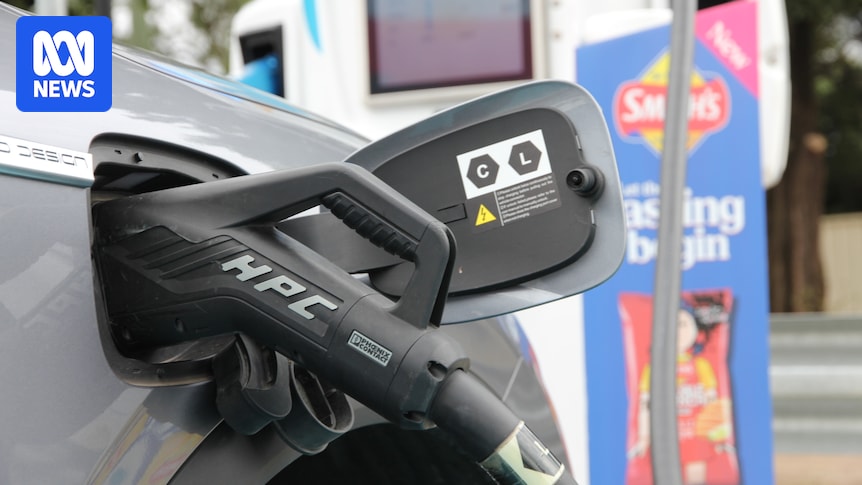
Long lines at electric vehicle charging stations in southern New South Wales during the Easter school holidays have highlighted gaps in charging infrastructure.
While sales of EVs have surged, NSW government mapping shows the majority of EV charging stations are in eastern NSW.
The availability of chargers beyond places like Dubbo and Tamworth becomes much more sparse.
The issue was highlighted on Easter Monday at Coolac, 20 kilometres from Gundagai on the Hume Highway, where more than 20 cars were seen lining up to access one of 12 EV chargers.
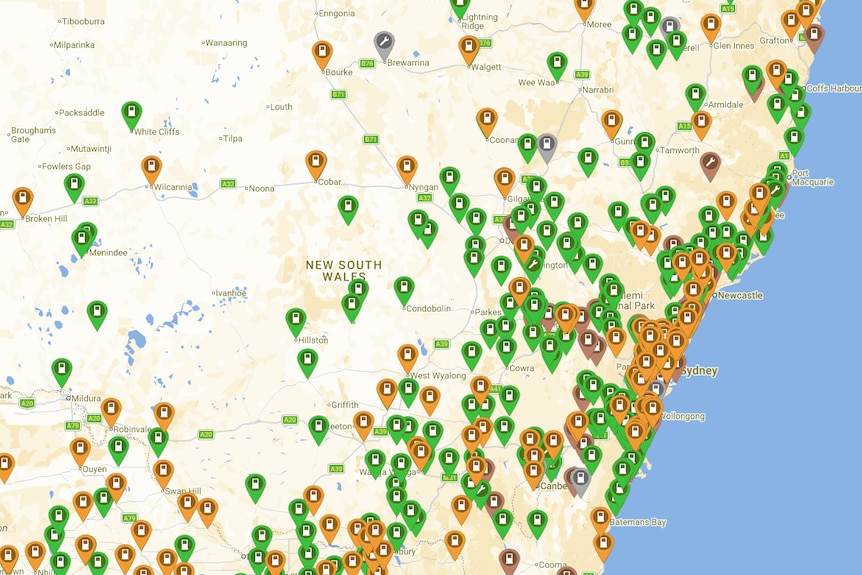
This map shows EV charging stations in NSW, with green icons representing fast-charging stations, and orange as chargers available. (Supplied: PlugShare)
Cameron Dooner from Wagga Wagga picked up his new EV three weeks ago, but said he was unlikely to take trips inland in it.
“I have no issues going to the capital cities, but I wouldn’t think I’d take it too much further west than Wagga,” he said.
Mr Dooner said driving around a regional centre like Wagga Wagga in his EV felt “free”, compared to the $30,000 worth of diesel he spends each week as a farming contractor, but he would avoid taking it for trip a further inland due to a lack of chargers.
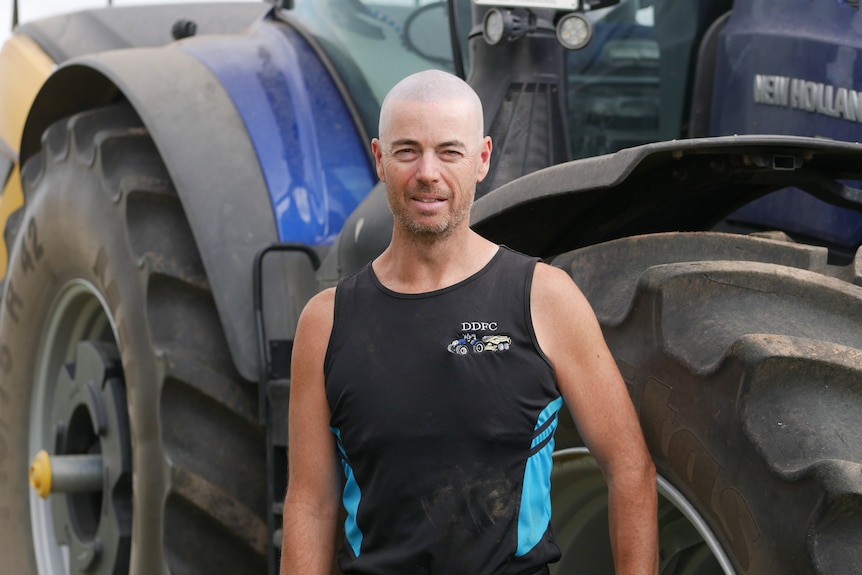
Cameron Dooner says he is hesitant to drive his EV in regional NSW. (ABC Riverina: Jostina Basta)
“If you were in a remote area, absolutely you could not just have an EV at this stage,” he said.
EV demand grows
New data from the NRMA EV charging network showed a 19 per cent increase in the usage of chargers in the second-last week of March, with that number expected to increase in the coming weeks as fuel costs continue to pinch drivers’ pockets.
The Electric Vehicle Council (EVC) revealed Australia reached record EV car sales in March, when they accounted for 22.9 per cent of all vehicle sales, 69.6 per cent higher than at the same time last year.
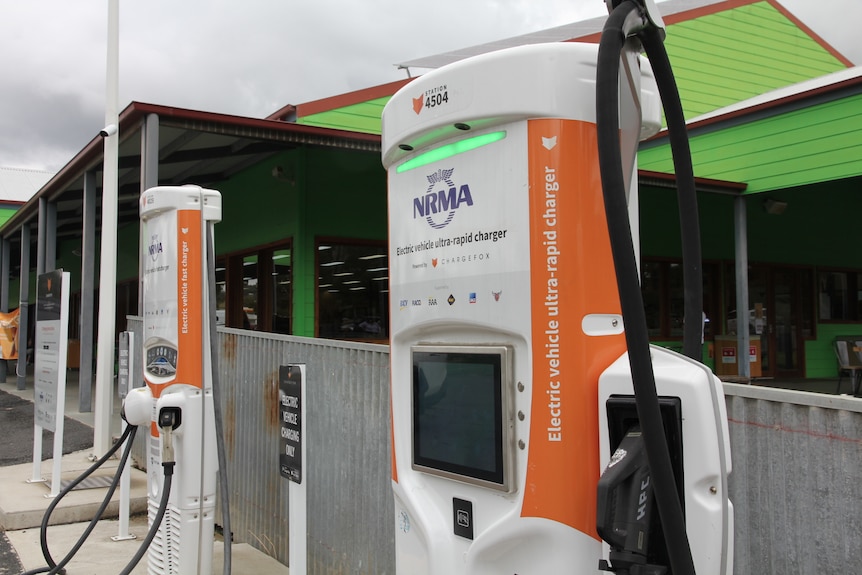
An EV charging station in Gundagai in regional NSW. (ABC Riverina: Rachel Holdsworth)
EVC chief executive Julie Delvecchio said these numbers helped fuel the surge in demand for charging over the Easter long weekend.
“This Easter was one of the biggest tests yet for Australia’s public charging network,” she said.
“The surge wasn’t unexpected given the current fuel crisis, but it provides a clear sign of what lies ahead.”
In areas where chargers are already in short supply, like parts of regional NSW, there are concerns a continued increase in demand could lead to too much pressure on the current infrastructure.
Accelerating infrastructure
A Department of Climate Change, Energy, the Environment and Water (DCCEEW) spokesperson said the department had co-funded more than 2,000 [chargers], which were ready to use.
In an EV Public Charging Master Plan released in 2021, the NSW government outlined a goal to have EVs represent 50 per cent of new car sales by 2030.
The master plan is part of a $209 million investment for world-class electric vehicle charging coverage.
The EVC has called for a single national charging plan to meet growing demand.
“We need a road map that supports passenger vehicles and freight, gives industry certainty, and ensures Australia is ready for the next decade of transport electrification,” Ms Delvecchio said.
The EVC said industry and the government also needed to work together to provide reliable charging infrastructure for country areas to ensure they were not left behind.
Gemma Purcell, from Grong Grong in regional NSW, has owned an EV for more than a year, but she typically avoids driving long distances.
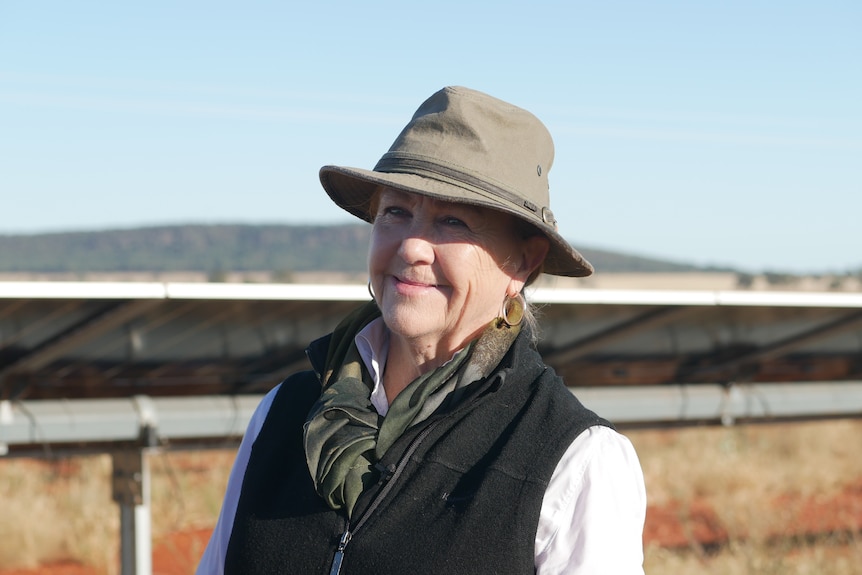
Gemma Purcell says she was surprised to see so many people charging cars over the Easter weekend. (ABC News: Clint Jasper)
“[The] majority of our driving was very much grocery runs, school bus runs, football training, or within the usual 200-kilometre range,” she said.
Mr Purcell was surprised to see how many people were charging their EVs in her town over the Easter long weekend and only expected these numbers to grow.
Long queues and broken chargers leave EV drivers anxious
This year, she plans to drive her EV further than she normally would — to regional Victoria — on holiday.
“Somewhere along the way, I’ll have at least one longer stop and [I’m] preparing to be a bit more patient than just drive through, whiz in and fill up the tank, which is what we’re used to,” Ms Purcell said.
The DCCEEW spokesperson said the government was focused on building a connected network from suburbs across Sydney to major highways and into regional NSW.
“This includes key travel corridors such as the M1 and Hume Highway, as well as regional centres like Dubbo, Wagga Wagga and Tamworth, helping ensure EV drivers can travel longer distances with confidence,” the spokesperson said.
But for now, Mr Dooner remains hesitant to take his EV west of Wagga Wagga.
“I certainly wouldn’t go out on the back tracks with it at the moment, just knowing there’s not a huge amount of infrastructure,” he said.